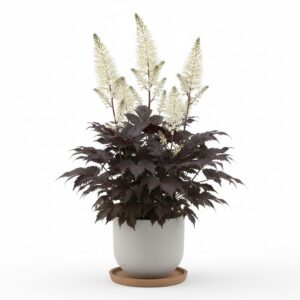
Why You'll Love It
Verbena, with its vibrant clusters of flowers, brings a burst of color and life to any garden or container. Gardeners adore Verbena for its long blooming season, providing continuous color from spring through fall. The flowers, available in a wide array of colors from deep purples and blues to bright reds and pinks, attract butterflies and hummingbirds, adding to the garden's biodiversity and visual appeal. Verbena is relatively easy to care for, thriving in sunny locations and tolerating a range of soil conditions. Its trailing habit makes it perfect for hanging baskets, window boxes, and as a ground cover. Moreover, Verbena's resilience and ability to withstand heat and drought make it a reliable and rewarding choice for both novice and experienced gardeners. Its versatility and beauty make it a true garden favorite.
The Story
Verbena's story is rooted in ancient history, with origins tracing back to Europe and the Americas. Known as "holy herbs" in ancient times, Verbena held significant cultural and medicinal value. Romans associated it with peace and purification, using it in religious ceremonies and as a symbol of diplomacy. The name "Verbena" itself is believed to be derived from the Celtic word "ferfaen" or the Latin word "verbena," both referring to sacred plants. Native American tribes also utilized Verbena for its medicinal properties, treating ailments ranging from headaches to skin irritations. Over time, Verbena has transitioned from a sacred herb to a beloved ornamental plant, gracing gardens worldwide with its vibrant blooms and captivating fragrance. Today, numerous cultivars and hybrids have been developed, further enhancing its ornamental appeal and expanding its range of colors and growth habits.
Complete Care Guide
Verbena thrives in full sun (6-8 hours daily) and well-draining soil. Water deeply when the top inch of soil feels dry, avoiding overwatering which can lead to root rot. Fertilize regularly with a balanced, water-soluble fertilizer during the growing season (spring to fall) to promote abundant blooms. Deadhead spent flowers to encourage continuous blooming and prevent seed production. Pinch back stems to maintain a compact, bushy shape. In colder climates, Verbena is often grown as an annual, but some varieties can be perennial in warmer zones. Provide good air circulation to prevent fungal diseases. Monitor for pests such as aphids and spider mites and treat promptly with insecticidal soap or neem oil. Proper drainage is crucial.
Light Requirements
Verbena demands ample sunlight to flourish. Ideally, it needs at least 6-8 hours of direct sunlight each day to produce abundant blooms. Inadequate sunlight can result in leggy growth, fewer flowers, and a paler coloration. When growing Verbena indoors, place it near a south-facing window where it can receive the most intense sunlight. If natural light is insufficient, supplement with grow lights to provide the necessary intensity. Rotate the plant regularly to ensure even exposure to light on all sides. Insufficient light will result in weak stems and reduced flowering. Monitor the plant's foliage; pale or stretched leaves indicate a need for more light.
Seasonal Care
Spring
In spring, as new growth emerges, fertilize Verbena with a balanced fertilizer to encourage blooming. Prune back any dead or damaged growth. Ensure adequate sunlight and water as temperatures rise.
Summer
During the summer, focus on regular watering and deadheading to promote continuous blooming. Protect from intense afternoon sun in hotter climates. Monitor for pests and diseases.
Fall
In the fall, reduce watering and fertilization as growth slows down. Prune back the plant to prepare it for winter. In colder climates, bring indoors or treat as an annual.
Winter
In winter, if overwintering indoors, provide bright, indirect light and minimal watering. If left outdoors in warmer climates, protect from frost.
The Life of Your Verbena
Seedling / Juvenile
As seedlings, Verbena requires bright, indirect light and consistent moisture. Avoid overwatering to prevent damping-off disease. Fertilize with a diluted, balanced fertilizer to encourage healthy root development. Provide adequate spacing between seedlings to promote air circulation.
Adolescent
During this stage, gradually increase the amount of direct sunlight. Pinch back the tips of the stems to encourage branching and a bushier growth habit. Monitor for pests and diseases, and treat promptly. Fertilize regularly to support vigorous growth.
Mature
Mature Verbena plants require consistent watering and fertilization to maintain abundant blooms. Deadhead spent flowers regularly to promote continuous flowering. Provide support if necessary, especially for trailing varieties. Monitor for pests and diseases.
Established
After the main blooming season, reduce watering and fertilization. In warmer climates, prune back the plant to encourage reblooming. In colder climates, treat as an annual or bring indoors for overwintering.
Propagation Guide
Verbena can be propagated through stem cuttings, division, and sometimes from seed (though hybrids may not come true).
Stem Cuttings: Take 4-6 inch stem cuttings from healthy, non-flowering shoots. Remove the lower leaves and dip the cut end in rooting hormone. Plant the cutting in moist, well-draining potting mix. Keep the soil consistently moist and provide bright, indirect light. Roots should develop in 2-4 weeks.
Division: For clump-forming varieties, carefully dig up the plant and divide the root ball into smaller sections, ensuring each section has healthy roots and shoots. Replant the divisions in well-draining soil.
Keiki: While uncommon, some Verbena varieties may produce small plantlets along the stems (keikis). These can be carefully removed and potted up individually.
Expert Knowledge
To encourage a bushier growth habit and more abundant blooms, pinch back the tips of the stems regularly. Choose Verbena varieties that are well-suited to your local climate and growing conditions. Consider using a slow-release fertilizer in addition to regular liquid feeding. Avoid overhead watering to prevent fungal diseases. Verbena is a great companion plant for vegetables and herbs, attracting pollinators and deterring pests. Some Verbena varieties are fragrant, adding an extra sensory dimension to the garden. Regularly inspect plants for signs of stress, such as discoloration, wilting, or pest infestations.
Troubleshooting
Yellow leaves
Yellow leaves can indicate overwatering, nutrient deficiency, or pest infestation. Check the soil moisture and drainage. Fertilize with a balanced fertilizer. Inspect for pests and treat accordingly.
Brown leaf edges
Brown leaf edges usually signal dry air, inconsistent watering, or fertilizer burn. Increase humidity, water more consistently, and reduce fertilizer concentration.
Drooping leaves
Drooping can be caused by underwatering, overwatering, or extreme heat. Check the soil moisture and adjust watering accordingly. Provide shade during the hottest part of the day.
Root rot
Root rot is caused by overwatering and poor drainage. Improve drainage by repotting into well-draining soil. Remove affected roots and treat with a fungicide.
Pests
Pests like aphids and spider mites can infest Verbena. Treat with insecticidal soap, neem oil, or introduce beneficial insects like ladybugs.
Frequently Asked Questions
What are the ideal light conditions?
Verbena needs at least 6-8 hours of direct sunlight per day for optimal growth and flowering.
How often should I water?
Water Verbena when the top inch of soil feels dry. Avoid overwatering, which can lead to root rot.
When should I repot?
Repot Verbena in spring if it becomes root-bound. Choose a pot slightly larger than the previous one.
Is it toxic to pets?
Verbena is generally considered non-toxic to pets and children. However, ingestion may cause mild gastrointestinal upset.
How big will it grow?
Verbena's size varies depending on the variety. Most varieties grow 1-3 feet tall and wide.
Can I propagate at home?
Yes, Verbena can be easily propagated through stem cuttings. See the propagation guide for detailed instructions.