
Why You'll Love It
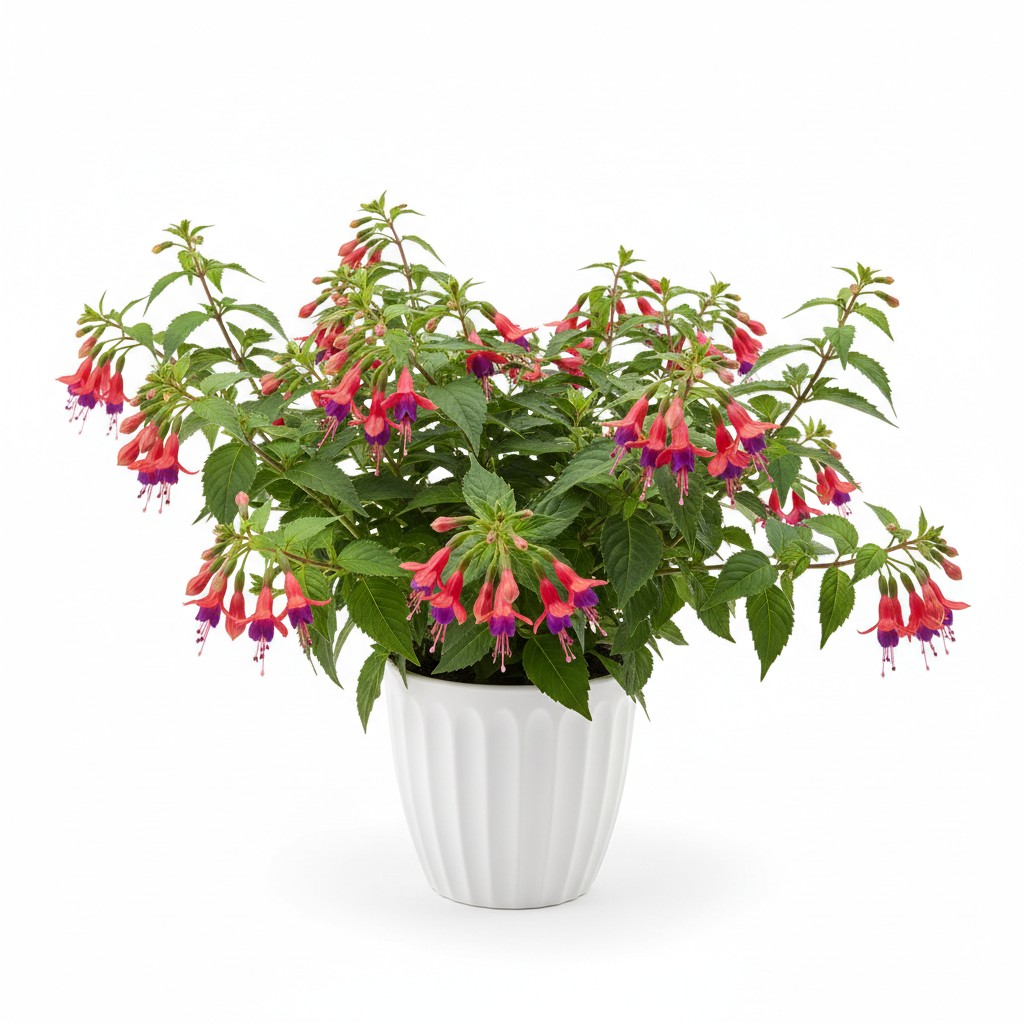
Cape Fuchsia, with its vibrant, tubular flowers dangling gracefully from arching stems, is a true showstopper. Its long blooming season, often stretching from spring to fall, provides months of colorful delight. Plant lovers adore its easy-going nature, thriving with minimal fuss when given the right conditions. Hummingbirds and butterflies are irresistibly drawn to its nectar-rich blossoms, adding a lively touch to any garden or patio. Whether grown in a container or as a sprawling shrub, Cape Fuchsia brings a touch of exotic beauty and cheerful charm to any space. Its versatility in landscape design, coupled with its relatively low maintenance requirements, makes it a favorite among both novice and experienced gardeners.
The Story
Cape Fuchsia, scientifically known as Phygelius capensis, originates from the mountainous regions of South Africa, specifically the Drakensberg range. Its natural habitat consists of rocky slopes and stream banks, where it thrives in well-drained soil and ample sunlight. The plant was first introduced to Europe in the 19th century and quickly gained popularity as an ornamental garden plant. In its native South Africa, Cape Fuchsia has traditional medicinal uses. The roots and leaves are sometimes used to treat ailments, although this is not widely practiced. While not deeply embedded in specific cultural myths, its vibrant blooms and resilience have made it a beloved symbol of the South African landscape.
Complete Care Guide
Cape Fuchsia thrives in well-draining soil and prefers a location that receives full sun to partial shade, ideally with morning sun and afternoon shade in hotter climates. Water regularly, allowing the top inch of soil to dry out between waterings. Fertilize monthly during the growing season (spring to fall) with a balanced liquid fertilizer, or one formulated for flowering plants, to promote abundant blooms. Prune lightly in early spring to remove dead or weak stems and encourage bushier growth. Deadhead spent flowers regularly to prolong the blooming period. Protect from frost in colder climates by bringing container plants indoors or providing adequate winter protection.
Light Requirements
Cape Fuchsia flourishes in bright, indirect light to full sun. Aim for at least six hours of sunlight per day, but be mindful of intense afternoon sun, especially in hotter regions, which can scorch the leaves. An east-facing location is often ideal, providing ample morning sun and protection from the harsher afternoon rays. If grown indoors, place the plant near a sunny window, supplementing with artificial light if necessary, particularly during the darker winter months. Insufficient light can lead to leggy growth and reduced flowering.
Seasonal Care
Spring
In spring, prune back any dead or damaged stems and fertilize with a balanced fertilizer to promote new growth. Increase watering frequency as the weather warms up. Mulch around the base of the plant to retain moisture and suppress weeds.
Summer
During the summer months, ensure the plant receives adequate sunlight and water. Deadhead spent flowers regularly to prolong the blooming season. Provide shade during the hottest part of the day to prevent leaf scorch.
Fall
In the fall, reduce watering frequency and stop fertilizing. Prune back the plant lightly to maintain its shape. Prepare for winter protection if you live in a colder climate.
Winter
In colder climates, protect Cape Fuchsia from frost by bringing container plants indoors or providing adequate insulation. Water sparingly during the winter months. Prune back the plant more heavily in early spring to encourage new growth.
The Life of Your Cape Fuchsia
Seedling / Juvenile
Provide young seedlings with bright, indirect light and consistent moisture. Avoid overwatering, which can lead to root rot. Once seedlings develop several sets of true leaves, gradually acclimate them to brighter light conditions. Fertilize with a diluted liquid fertilizer every two weeks.
Adolescent
As the plant develops, provide support if needed, especially for taller varieties. Prune lightly to encourage bushier growth. Increase watering frequency as the plant grows larger. Continue fertilizing monthly to support healthy growth and prepare the plant for blooming.
Mature
During the active blooming period, ensure the plant receives adequate sunlight and water. Deadhead spent flowers regularly to prolong the blooming season. Fertilize monthly with a bloom-boosting fertilizer to encourage abundant blooms. Monitor for pests and diseases.
Established
After the blooming season, reduce watering frequency. Prune back the plant by about one-third to maintain its shape and encourage new growth. Fertilize less frequently during the dormant period. Provide winter protection in colder climates to ensure the plant survives until the next growing season.
Propagation Guide
Cape Fuchsia can be propagated through stem cuttings, division, or from seed (though seeds are less common for home propagation). For stem cuttings, take a 4-6 inch cutting from a healthy stem, remove the lower leaves, and dip the cut end in rooting hormone. Plant the cutting in a well-draining potting mix and keep it moist until roots develop. For division, carefully separate the plant into smaller sections, ensuring each section has healthy roots and stems. Plant each section in its own pot. Keiki propagation is not applicable to Cape Fuchsia.
Expert Knowledge
Cape Fuchsia benefits from regular pruning to maintain its shape and encourage bushier growth. Deadheading spent flowers is essential for prolonging the blooming season. In colder climates, consider growing Cape Fuchsia in a container so it can be easily moved indoors during the winter. While relatively drought-tolerant once established, consistent watering during the growing season will result in more abundant blooms. Different varieties of Cape Fuchsia offer a range of flower colors and plant sizes, allowing you to choose the perfect fit for your garden or patio.
Troubleshooting
Yellow leaves
Yellow leaves can indicate overwatering, underwatering, or nutrient deficiencies. Check the soil moisture and adjust watering accordingly. Fertilize with a balanced fertilizer if nutrient deficiencies are suspected. Ensure proper drainage.
Brown leaf edges
Brown leaf edges are often caused by dry air or inconsistent watering. Increase humidity around the plant by misting regularly or using a humidifier. Ensure consistent watering and avoid letting the soil dry out completely.
Drooping leaves
Drooping leaves can be caused by underwatering, overwatering, or extreme temperatures. Check the soil moisture and adjust watering accordingly. Ensure the plant is not exposed to excessive heat or cold drafts.
Root rot
Root rot is caused by overwatering and poor drainage. Ensure the plant is planted in well-draining soil and avoid overwatering. If root rot is present, remove the affected roots and repot the plant in fresh soil.
Pests
Cape Fuchsia can be susceptible to aphids, spider mites, and whiteflies. Inspect the plant regularly for signs of infestation. Treat with insecticidal soap or neem oil. Ensure good air circulation to prevent pest problems.
Frequently Asked Questions
What are the ideal light conditions?
Cape Fuchsia thrives in full sun to partial shade. Aim for at least six hours of sunlight per day, but protect from harsh afternoon sun in hot climates.
How often should I water?
Water Cape Fuchsia regularly, allowing the top inch of soil to dry out between waterings. Avoid overwatering, which can lead to root rot.
When should I repot?
Repot Cape Fuchsia in early spring every 1-2 years, using a well-draining potting mix. Choose a pot that is slightly larger than the previous one.
Is it toxic to pets?
Cape Fuchsia is generally considered non-toxic to pets and children. However, it is always best to prevent ingestion of any plant material.
How big will it grow?
Cape Fuchsia can grow to be 2 to 5 feet tall and wide, depending on the variety and growing conditions.
Can I propagate at home?
Yes, Cape Fuchsia can be propagated at home through stem cuttings or division. Stem cuttings are the most common and easiest method.


