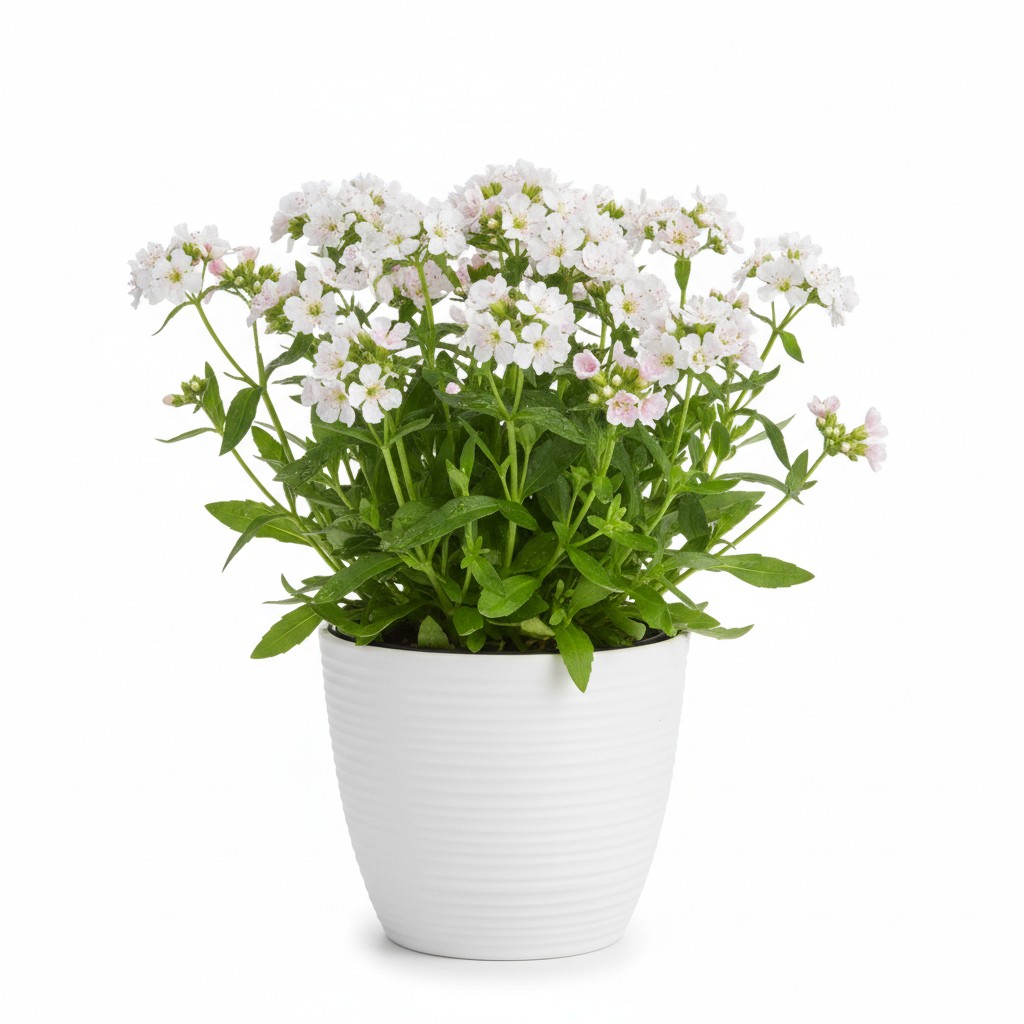
Why You'll Love It
Soapwort, also known as Bouncing Bet, is cherished by plant enthusiasts for its charming clusters of fragrant, delicate flowers that bloom profusely during the summer months. The blooms, often in shades of pink or white, add a touch of cottage garden elegance to any space. Its low-maintenance nature makes it an ideal choice for both beginner and experienced gardeners. The plant's historical significance as a natural soap substitute adds to its appeal, connecting gardeners to a rich cultural heritage. The ease of propagation allows gardeners to readily expand their collection or share with friends. Its ability to attract pollinators, such as butterflies and bees, also contributes to its popularity among environmentally conscious gardeners.
The Story
Soapwort (Saponaria officinalis) boasts a rich history rooted in Europe and Asia. It thrives in sunny, well-drained locations, often found along roadsides and in disturbed areas. Its name originates from its historical use as a natural soap. The plant contains saponins, which create a soapy lather when mixed with water. For centuries, it was used for washing delicate fabrics and cleaning works of art. European settlers brought Soapwort to North America, where it naturalized. Its cultural significance extends to folk medicine, where it was used for various ailments. Today, Soapwort remains a popular choice for gardeners seeking a hardy and historically significant plant. Its resilience and adaptability have allowed it to flourish in diverse environments, continuing its legacy as a versatile and valued plant.
Complete Care Guide
Soapwort thrives in well-draining soil and requires ample sunlight, ideally six or more hours per day. Water thoroughly when the top inch of soil feels dry to the touch, avoiding overwatering, which can lead to root rot. Fertilize monthly during the growing season (spring and summer) with a balanced liquid fertilizer, diluted to half strength, to encourage abundant blooms. Prune spent flowers regularly to promote continuous blooming. Soapwort is relatively pest-resistant but monitor for aphids and spider mites, treating as needed with insecticidal soap. Provide good air circulation to prevent fungal diseases. In colder climates, provide winter protection or grow in containers that can be moved indoors. Repot every 2-3 years in spring.
Light Requirements
Soapwort requires at least six hours of direct sunlight per day to thrive and produce abundant blooms. Insufficient light can lead to leggy growth and reduced flowering. An east- or south-facing window is ideal for indoor cultivation. If natural light is insufficient, supplement with grow lights. Rotate the plant regularly to ensure even light exposure on all sides. During the summer months, consider moving outdoor container plants to a location with full sun. Monitor the leaves for signs of sunburn (scorched spots) if exposed to intense afternoon sun, and adjust placement accordingly.
Seasonal Care
Spring
In spring, prune back any dead or damaged growth. Fertilize with a balanced liquid fertilizer to encourage new growth and blooming. Repot if necessary. Increase watering as temperatures rise.
Summer
During summer, water regularly, allowing the soil to dry slightly between waterings. Fertilize monthly to promote abundant blooms. Prune spent flowers to encourage continuous blooming. Monitor for pests and diseases.
Fall
In fall, reduce watering frequency as temperatures cool. Stop fertilizing. Prune back the plant to maintain its shape. Prepare for winter dormancy.
Winter
In winter, provide minimal watering. Protect from frost if grown outdoors. Reduce light. Allow the plant to rest during the dormant period.
The Life of Your Soapwort
Seedling / Juvenile
Begin with well-draining potting mix. Provide ample sunlight or use a grow light. Water regularly, keeping the soil consistently moist but not soggy. Fertilize with a diluted liquid fertilizer every two weeks. Monitor for pests and diseases.
Adolescent
Gradually increase sunlight exposure. Prune lightly to encourage bushier growth. Increase the frequency of fertilization as the plant matures. Monitor for flower buds. Provide support if the plant becomes leggy.
Mature
Water regularly, allowing the soil to dry slightly between waterings. Fertilize monthly to promote abundant blooms. Prune spent flowers to encourage continuous blooming. Provide support if needed. Monitor for pests and diseases.
Established
Reduce watering frequency after blooming ceases. Stop fertilizing during the dormant period. Prune back the plant to maintain its shape. Provide winter protection if grown outdoors in colder climates. Prepare for reblooming in the spring.
Propagation Guide
Soapwort can be easily propagated through division, stem cuttings, or from seed.
Division: Divide established plants in the spring or fall. Carefully separate the root ball into smaller clumps, ensuring each clump has healthy roots and foliage. Replant the divisions in well-draining soil.
Stem Cuttings: Take 4-6 inch stem cuttings from healthy plants in the spring or summer. Remove the lower leaves and dip the cut end in rooting hormone. Plant the cuttings in moist potting mix. Cover with a plastic bag to create a humid environment. Keep the soil moist and provide bright, indirect light. Roots should develop in 4-6 weeks.
Seed: Sow seeds indoors 6-8 weeks before the last frost. Transplant seedlings outdoors after the danger of frost has passed.
Expert Knowledge
Soapwort's saponin content can be affected by environmental factors. Plants grown in nutrient-poor soil may have higher concentrations of saponins. The intensity of the scent also varies depending on the cultivar. Soapwort can be invasive in some areas, so consider planting it in containers or in a contained garden bed. Deadheading is crucial for prolonged blooming. Soapwort is relatively deer-resistant. Soil pH can influence flower color, with slightly alkaline soil promoting more vibrant blooms.
Troubleshooting
Yellow leaves
Yellow leaves can indicate overwatering, underwatering, or nutrient deficiency. Check soil moisture and adjust watering accordingly. Fertilize with a balanced fertilizer. Ensure good drainage.
Brown leaf edges
Brown edges often result from dry air, inconsistent watering, or fertilizer burn. Increase humidity, water more consistently, and reduce fertilizer strength.
Drooping leaves
Drooping can be caused by underwatering, overwatering, or root rot. Check soil moisture and drainage. Adjust watering accordingly. Ensure good air circulation.
Root rot
Root rot is caused by overly wet soil and poor drainage. Improve drainage by repotting in well-draining soil. Reduce watering frequency. Remove affected roots.
Pests
Aphids and spider mites can infest Soapwort. Treat with insecticidal soap or neem oil. Ensure good air circulation. Inspect plants regularly.
Frequently Asked Questions
What are the ideal light conditions?
Soapwort thrives in full sun, requiring at least 6 hours of direct sunlight daily for optimal growth and abundant flowering.
How often should I water?
Water Soapwort when the top inch of soil feels dry. Avoid overwatering, which can lead to root rot. Ensure good drainage.
When should I repot?
Repot Soapwort every 2-3 years in the spring, using a well-draining potting mix. Choose a pot slightly larger than the previous one.
Is it toxic to pets?
Soapwort is mildly toxic to pets and children if ingested. The saponins can cause gastrointestinal upset. Keep out of reach.
How big will it grow?
Indoors, Soapwort typically grows to be 1-2 feet tall and wide, depending on the pot size and growing conditions.
Can I propagate at home?
Yes, Soapwort can be easily propagated at home through division, stem cuttings, or from seed.