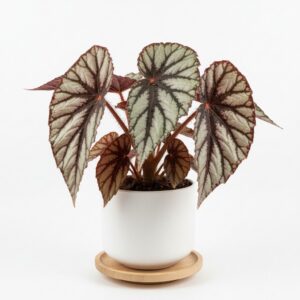
Why You'll Love It
Glory of the Snow, with its star-shaped, vibrant blue flowers, brings a touch of early spring magic to any garden or indoor setting. These charming bulbs are incredibly easy to grow and naturalize, meaning they'll multiply over time, creating a breathtaking carpet of color. Their cheerful blooms often appear even before the snow has completely melted, offering a welcome sign of warmer days to come.
Plant lovers adore Glory of the Snow for its resilience, low maintenance, and stunning beauty. They are perfect for adding a splash of color to rock gardens, borders, or containers. The flowers also attract pollinators, making them a valuable addition to any eco-conscious garden. Their relatively small size makes them perfect for growing indoors in pots.
The Story
Glory of the Snow, botanically known as Chionodoxa, originates from the mountainous regions of Turkey, Crete, and Cyprus. Its natural habitat consists of alpine meadows and rocky slopes where it thrives in well-drained soil and cool temperatures. The plant was first described and introduced to European gardens in the 19th century.
The name Chionodoxa is derived from the Greek words "chion" meaning snow, and "doxa" meaning glory, aptly describing its ability to bloom even amidst snowy conditions. While not steeped in extensive cultural lore, Glory of the Snow is widely appreciated as a symbol of hope, resilience, and the arrival of spring. It is a popular choice for naturalizing in gardens and parks around the world.
Complete Care Guide
Glory of the Snow prefers well-draining soil and a location with full sun to partial shade. Plant bulbs in the fall, about 3-4 inches deep and 2-3 inches apart. Water thoroughly after planting. During the growing season, keep the soil consistently moist but not soggy. Fertilize in early spring with a balanced fertilizer to promote flowering.
After the blooms fade, allow the foliage to die back naturally, as this provides energy for the bulb to store for the following year. Glory of the Snow is generally pest and disease-resistant. Deadhead spent blooms to prevent seed formation, which can divert energy from bulb development. Consider mulching to retain moisture and suppress weeds. Provide good air circulation to prevent fungal diseases.
Light Requirements
Glory of the Snow thrives in full sun to partial shade. In cooler climates, full sun is ideal to encourage abundant flowering. In warmer regions, afternoon shade is beneficial to protect the delicate blooms from scorching. Indoors, place your potted Glory of the Snow near a bright, sunny window.
Insufficient light can result in leggy growth and reduced flowering. Rotate the pot regularly to ensure even light exposure on all sides. If natural light is limited, consider supplementing with a grow light. A south-facing window is generally the best choice for providing ample sunlight.
Seasonal Care
Spring
Fertilize with a balanced fertilizer to promote flowering. Ensure adequate watering, especially during dry spells. Monitor for pests and diseases. Deadhead spent blooms.
Summer
Allow foliage to die back naturally. Reduce watering. Divide and replant bulbs if desired. Mulch to retain moisture and suppress weeds.
Fall
Plant new bulbs in well-draining soil. Water thoroughly after planting. Apply a layer of mulch for winter protection.
Winter
Protect from extreme cold. Ensure adequate drainage to prevent bulb rot. Provide minimal watering if grown indoors.
The Life of Your Glory of the Snow
Seedling / Juvenile
Prepare well-draining soil with added compost. Plant bulbs 3-4 inches deep and water gently. Provide bright indirect sunlight. Maintain consistent moisture, avoiding waterlogging. Fertilize with a diluted balanced fertilizer after leaves emerge.
Adolescent
Ensure adequate sunlight exposure. Monitor soil moisture and water when the top inch feels dry. Apply a balanced fertilizer every 2-3 weeks to encourage strong growth. Provide support if foliage becomes leggy.
Mature
Maintain consistent watering, especially during flowering. Deadhead spent blooms to prolong the flowering period. Protect from extreme heat or direct sunlight during peak bloom. Fertilize with a bloom-boosting fertilizer.
Established
Allow foliage to die back naturally after blooming. Reduce watering as the plant enters dormancy. Apply a light layer of mulch. Prepare for reblooming the following spring by ensuring adequate sunlight and well-drained soil.
Propagation Guide
Glory of the Snow can be propagated through division. After the foliage has died back in late spring or early summer, carefully dig up the bulbs. Gently separate any offsets (smaller bulbs attached to the main bulb). Replant the offsets in well-draining soil, about 3-4 inches deep and 2-3 inches apart. Water thoroughly.
Division is the most reliable method. Stem cuttings and keiki are not applicable to Glory of the Snow since it is a bulbous plant. Ensure that the divided bulbs have healthy roots before replanting. Provide adequate sunlight and water to encourage new growth.
Expert Knowledge
Glory of the Snow naturalizes readily, meaning it will spread and multiply over time, creating a beautiful carpet of flowers. To encourage naturalization, avoid disturbing the bulbs and allow the foliage to die back completely. They are deer-resistant, making them an excellent choice for gardens in areas with deer populations.
Consider planting them alongside other early spring bloomers, such as crocuses and snowdrops, for a stunning display of color. Glory of the Snow prefers slightly alkaline soil. Add lime to the soil if it is too acidic.
Troubleshooting
Yellow leaves
Overwatering is a common cause. Allow the soil to dry out slightly between waterings. Ensure proper drainage. Nutrient deficiencies can also cause yellowing. Fertilize with a balanced fertilizer.
Brown leaf edges
Dry air or inconsistent watering can cause brown edges. Increase humidity by misting or using a humidifier. Ensure consistent watering, avoiding both overwatering and underwatering.
Drooping leaves
Underwatering is a likely cause. Water thoroughly when the soil feels dry to the touch. Check for root rot if drooping persists despite adequate watering.
Root rot
Poor drainage and overwatering are the main causes. Repot in fresh, well-draining soil. Remove any affected roots. Reduce watering frequency.
Pests
Aphids or spider mites can occasionally infest Glory of the Snow. Treat with insecticidal soap or neem oil. Ensure good air circulation to prevent infestations.
Frequently Asked Questions
What are the ideal light conditions?
Glory of the Snow needs full sun to partial shade, ideally 6 hours of sunlight daily.
How often should I water?
Water when the top inch of soil is dry, avoiding overwatering.
When should I repot?
Repot only when overcrowded, using well-draining soil in the fall.
Is it toxic to pets?
Glory of the Snow is considered mildly toxic to pets.
How big will it grow?
Glory of the Snow typically grows to 4-6 inches tall.
Can I propagate at home?
Yes, Glory of the Snow can be propagated by bulb division.