Why You'll Love It
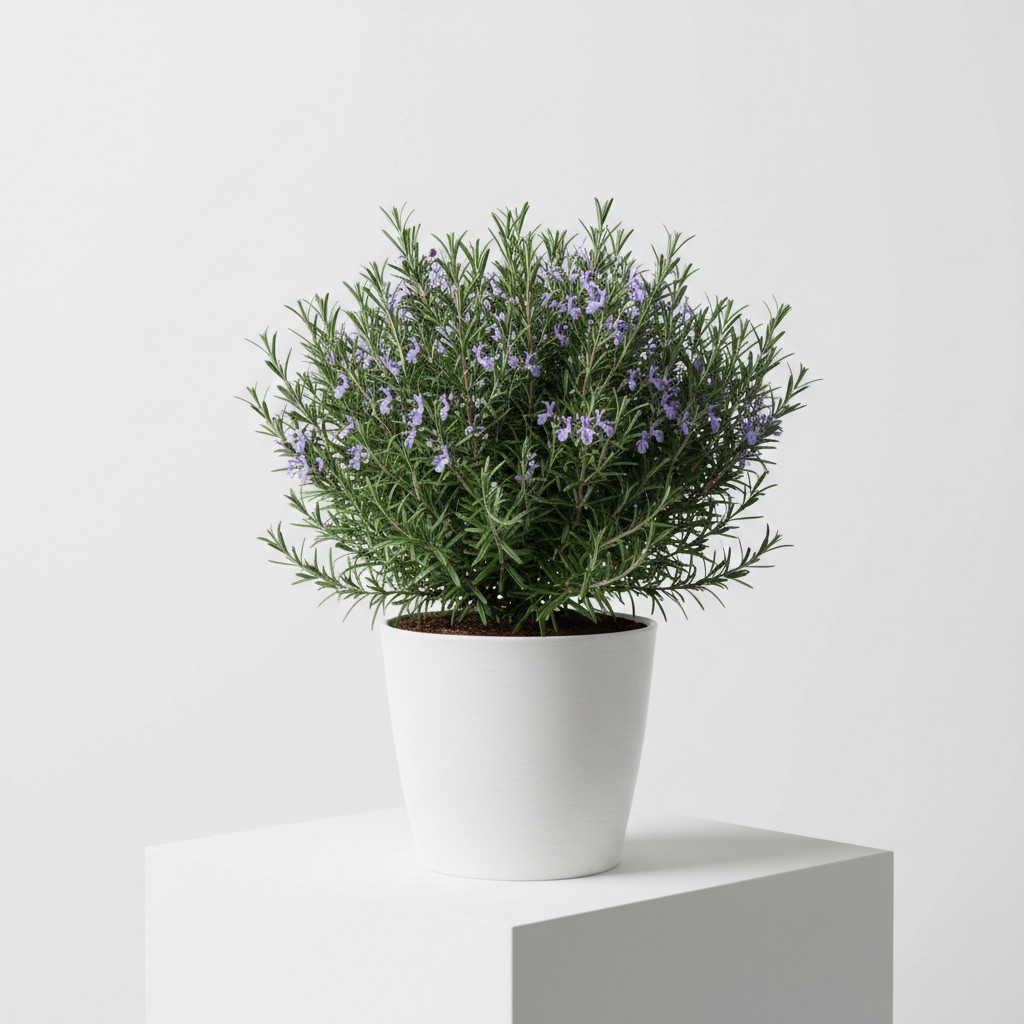
Rosemary, with its needle-like leaves and fragrant aroma, is a favorite among plant enthusiasts for good reason. Its versatility extends beyond the garden, making it a valuable addition to any indoor space. Rosemary's delightful scent, reminiscent of pine and citrus, invigorates the senses and creates a refreshing ambiance. The plant's ability to thrive both indoors and outdoors allows for year-round enjoyment. The delicate blooms, ranging from pale blue to white, add a touch of elegance.
Rosemary's ease of care, coupled with its culinary and medicinal uses, further enhances its appeal. Its leaves can be used to flavor dishes, while its essential oil is known for its therapeutic properties. Whether you're a seasoned gardener or a beginner, Rosemary is a rewarding plant to cultivate, providing beauty, fragrance, and practical benefits. Its resilience and adaptability make it a low-maintenance yet highly rewarding addition to any plant collection.
The Story
Rosemary, scientifically known as Salvia rosmarinus, boasts a rich history rooted in the Mediterranean region. Its natural habitat includes rocky, well-drained slopes along the Mediterranean coast, where it thrives in sunny, dry conditions. For centuries, Rosemary has been revered for its culinary, medicinal, and symbolic significance. Ancient civilizations, including the Egyptians, Greeks, and Romans, used Rosemary in rituals, medicine, and as a symbol of remembrance.
The Romans associated Rosemary with love, loyalty, and immortality, often wearing it during ceremonies and planting it near tombs. During the Middle Ages, Rosemary was believed to ward off evil spirits and protect against the plague. It was also used in perfumes, cosmetics, and as a strewing herb to freshen homes. Rosemary's association with memory is reflected in Shakespeare's plays, where it is mentioned as a symbol of remembrance. Today, Rosemary continues to be valued for its versatile uses and its enduring cultural significance.
Complete Care Guide
Rosemary thrives with bright light, ideally 6-8 hours of direct sunlight daily. Water thoroughly when the top inch of soil feels dry, ensuring good drainage to prevent root rot. Maintain moderate humidity levels, especially indoors, using a humidifier or pebble tray if needed. Fertilize monthly during the growing season (spring and summer) with a balanced liquid fertilizer diluted to half strength, or a fertilizer specifically formulated for herbs.
Prune regularly to maintain shape and encourage bushier growth. Repot every 1-2 years in spring, using a well-draining potting mix. Monitor for pests like spider mites and aphids, treating infestations promptly with insecticidal soap. Provide good air circulation to prevent fungal diseases. In colder climates, bring potted Rosemary indoors before the first frost. With proper care, Rosemary will reward you with its fragrant foliage and delicate blooms.
Light Requirements
Rosemary requires abundant sunlight to thrive. Aim for at least six to eight hours of direct sunlight per day. Indoors, place Rosemary near a south-facing window, where it can receive the most intense light. If natural light is insufficient, supplement with grow lights. Rotate the plant regularly to ensure even light exposure on all sides.
Insufficient light can lead to leggy growth, pale foliage, and reduced flowering. If you notice these signs, move your Rosemary to a brighter location or increase the duration of grow light exposure. Consider the intensity of the sunlight as well; during the hottest part of the day, some protection from intense afternoon sun may be necessary to prevent leaf burn.
Seasonal Care
Spring
In spring, increase watering and fertilizing as Rosemary begins actively growing. Prune to shape the plant and encourage new growth. Repot if necessary.
Summer
During summer, ensure Rosemary receives adequate sunlight and water. Protect from extreme heat. Harvest leaves for culinary use.
Fall
In fall, reduce watering and fertilizing as growth slows down. Monitor for pests and diseases as temperatures cool.
Winter
In winter, bring potted Rosemary indoors if necessary. Provide bright light and reduce watering. Avoid over-fertilizing.
The Life of Your Rosemary
Seedling / Juvenile
During the seedling stage, provide ample bright, indirect light. Water sparingly, allowing the soil surface to dry slightly between waterings. Use a well-draining potting mix. Begin fertilizing with a diluted, balanced fertilizer after a few weeks.
Adolescent
As Rosemary develops, gradually increase exposure to direct sunlight. Continue to water when the top inch of soil is dry. Prune lightly to encourage branching and a bushier form. Monitor for pests and diseases.
Mature
During the blooming period, maintain consistent watering and fertilizing. Provide full sun to maximize flower production. Deadhead spent blooms to encourage continued flowering. Protect from extreme weather conditions.
Established
After the blooming period, reduce watering slightly. Continue to fertilize monthly. Prune more heavily to maintain shape and encourage new growth for future blooms. Monitor for pests and diseases.
Propagation Guide
Rosemary is easily propagated through stem cuttings. Take 4-6 inch cuttings from new growth in spring or summer. Remove the lower leaves and dip the cut end in rooting hormone. Plant the cuttings in a well-draining potting mix. Keep the soil consistently moist, but not waterlogged. Place the cuttings in a warm, bright location, but avoid direct sunlight.
Rooting typically occurs within 4-8 weeks. Once roots have developed, transplant the cuttings into individual pots. Rosemary can also be propagated by layering, where a low-lying branch is bent to the ground and covered with soil until roots form. Division is less common but can be done by carefully separating a mature plant into smaller sections, ensuring each section has healthy roots.
Expert Knowledge
To encourage abundant flowering, use a fertilizer high in phosphorus. Regularly pinch back the tips of the stems to promote bushier growth. Rosemary prefers slightly alkaline soil. Avoid overwatering, as this can lead to root rot. Provide good air circulation to prevent fungal diseases. Rosemary is relatively drought-tolerant once established.
Consider using terracotta pots, which allow for better drainage. To overwinter Rosemary indoors successfully, provide supplemental lighting if needed and maintain a cool temperature. Hardening off Rosemary before transplanting it outdoors in the spring will help it adjust to the changing conditions. Rosemary can be susceptible to powdery mildew, especially in humid conditions, so monitor regularly and treat promptly if necessary.
Troubleshooting
Yellow leaves
Yellow leaves often indicate overwatering. Allow the soil to dry out more between waterings. Ensure proper drainage. Check for root rot.
Brown leaf edges
Brown leaf edges can be a sign of underwatering or low humidity. Increase watering frequency or humidity levels. Check for salt buildup in the soil.
Drooping leaves
Drooping can be caused by underwatering or root rot. Check the soil moisture and drainage. Adjust watering accordingly.
Root rot
Root rot is caused by overwatering and poor drainage. Repot in fresh, well-draining soil. Remove any affected roots.
Pests
Pests like spider mites and aphids can infest Rosemary. Treat with insecticidal soap or neem oil.
Frequently Asked Questions
What are the ideal light conditions?
Rosemary needs at least 6-8 hours of direct sunlight daily.
How often should I water?
Water when the top inch of soil feels dry; avoid overwatering.
When should I repot?
Repot every 1-2 years in spring, using well-draining soil.
Is it toxic to pets?
Rosemary is generally considered non-toxic to pets and children.
How big will it grow?
Indoors, Rosemary typically grows to 1-3 feet tall.
Can I propagate at home?
Yes, Rosemary is easily propagated from stem cuttings.