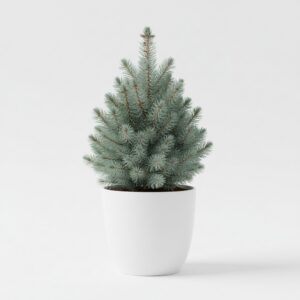
Why You'll Love It
The Areca Palm, with its graceful, arching fronds, brings a touch of the tropics to any indoor space. Its feathery foliage creates a lush, vibrant atmosphere, making it a popular choice for plant enthusiasts seeking to enhance their home decor. Beyond its aesthetic appeal, the Areca Palm is also known for its air-purifying qualities, effectively removing toxins and improving indoor air quality. Easy to care for with the right conditions, it thrives in bright, indirect light and appreciates consistent moisture. Its clumping growth habit adds visual interest, and its ability to reach a substantial size indoors makes it a striking focal point. Plant lovers adore the Areca Palm for its beauty, air-cleaning benefits, and relatively low-maintenance nature, making it a rewarding addition to any plant collection.
The Story
The Areca Palm, scientifically known as Dypsis lutescens, originates from Madagascar, where it thrives in the humid, tropical forests. It is also widely cultivated in other tropical and subtropical regions around the world. In its natural habitat, the Areca Palm grows as an understory plant, benefiting from filtered sunlight and consistently moist soil. The palm has a history of being used in traditional medicine and for its ornamental value. While not directly tied to specific cultural myths or legends, the Areca Palm has become a symbol of tranquility and relaxation in many cultures due to its association with tropical landscapes. Its popularity as an indoor plant has grown significantly in recent decades, driven by its attractive appearance and air-purifying capabilities.
Complete Care Guide
Areca Palms thrive in bright, indirect light; avoid direct sunlight to prevent leaf burn. Water thoroughly when the top inch of soil feels dry, ensuring good drainage to prevent root rot. Maintain high humidity levels by misting regularly or using a humidifier. Fertilize every 2-3 months during the growing season (spring and summer) with a balanced liquid fertilizer diluted to half strength. Repot every 2-3 years as needed, using a well-draining potting mix. Keep the temperature between 65-75°F (18-24°C). Prune away any dead or yellowing fronds to maintain the plant's appearance and health. Regularly check for pests like spider mites and treat promptly if found. Consistent care and attention to these factors will help your Areca Palm flourish indoors.
Light Requirements
Areca Palms require bright, indirect light to thrive. Direct sunlight can scorch their delicate fronds, causing brown spots and leaf burn. A location near an east-facing window is ideal, providing ample morning light without the intensity of the afternoon sun. If placed near a south or west-facing window, use sheer curtains to filter the light. Insufficient light can lead to slow growth, yellowing leaves, and a generally unhealthy appearance. Rotate the plant regularly to ensure even light exposure on all sides. During the winter months, when light levels are lower, consider supplementing with a grow light to maintain optimal conditions.
Seasonal Care
Spring
In spring, increase watering frequency as the plant begins actively growing. Begin fertilizing every 2-3 months. Repot if needed. Prune away any dead or damaged fronds.
Summer
Maintain consistent moisture and high humidity during the summer months. Continue fertilizing every 2-3 months. Protect from direct sunlight to prevent leaf burn.
Fall
Reduce watering frequency as the plant's growth slows down. Stop fertilizing in the fall. Check for pests and diseases before bringing plants indoors from outdoor locations.
Winter
Water sparingly during the winter months. Maintain humidity levels. Provide adequate light, supplementing with a grow light if needed. Avoid placing near drafts or heating vents.
The Life of Your Areca Palm
Seedling / Juvenile
Young Areca Palm seedlings require consistent moisture and warmth. Keep the soil consistently moist but not waterlogged. Provide bright, indirect light and protect from drafts. Monitor for pests and diseases.
Adolescent
During the adolescent phase, increase the frequency of fertilizing during the growing season. Repot into a slightly larger container as needed. Continue to provide bright, indirect light and maintain high humidity.
Mature
Mature Areca Palms require regular pruning to remove dead or yellowing fronds. Continue to fertilize during the growing season and repot as needed. Monitor for pests and diseases.
Established
Established Areca Palms are relatively low-maintenance. Continue to provide consistent care, including watering, fertilizing, and pruning. Check for pests and diseases regularly.
Propagation Guide
Areca Palms can be propagated by seeds or by division. Seed propagation is a lengthy process. To propagate by division, carefully separate the clumps of stems at the root ball when repotting. Ensure each division has sufficient roots. Plant each division in its own pot with well-draining potting mix. Water thoroughly and keep in a warm, humid location with bright, indirect light. Division is best done in the spring or early summer when the plant is actively growing. Be gentle when separating the roots to minimize stress on the plants. New growth should appear within a few weeks.
Expert Knowledge
To encourage denser growth, prune away older, less attractive fronds at the base. This will redirect energy to new growth. Areca Palms are sensitive to fluoride in tap water, so use filtered or distilled water for best results. Regularly wipe down the fronds to remove dust and improve air circulation. A slightly acidic soil pH is ideal for Areca Palms. Avoid over-fertilizing, as this can lead to salt buildup in the soil. Proper air circulation is essential to prevent fungal diseases.
Troubleshooting
Yellow leaves
Yellow leaves can indicate overwatering, underwatering, or nutrient deficiency. Adjust watering habits and fertilize during the growing season. Ensure proper drainage.
Brown leaf edges
Brown edges are often caused by low humidity or dry air. Increase humidity by misting regularly or using a humidifier. Ensure consistent watering.
Drooping leaves
Drooping fronds can be a sign of underwatering or root rot. Check the soil moisture and adjust watering accordingly. Ensure proper drainage to prevent root rot.
Root rot
Root rot is caused by overwatering and poor drainage. Repot the plant into fresh, well-draining soil. Remove any affected roots. Reduce watering frequency.
Pests
Pests like spider mites can infest Areca Palms. Treat with insecticidal soap or neem oil. Increase humidity to deter pests.
Frequently Asked Questions
What are the ideal light conditions?
Areca Palms need bright, indirect light. Avoid direct sunlight to prevent leaf burn.
How often should I water?
Water thoroughly when the top inch of soil feels dry. Ensure good drainage.
When should I repot?
Repot every 2-3 years as needed, using a well-draining potting mix.
Is it toxic to pets?
Areca Palm is non-toxic to pets and children, making it a safe choice.
How big will it grow?
Indoors, Areca Palm can grow up to 6-8 feet tall, depending on conditions.
Can I propagate at home?
Yes, Areca Palm can be propagated by seeds or division, though division is easier.