Why You'll Love It
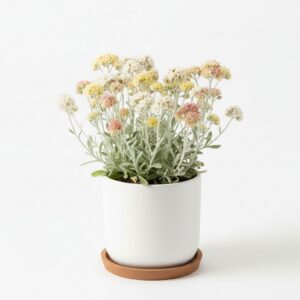
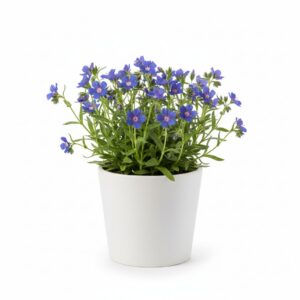
Pincushion Flowers are adored for their unique, whimsical blooms that resemble, well, pincushions! The delicate, pin-like stamens protruding from the center of the flower heads create a charming, textural display. Their long bloom period, often stretching from spring through fall, provides continuous color in gardens or containers. These plants attract pollinators like butterflies and bees, adding life and movement to your outdoor space.
Pincushion Flowers are relatively low-maintenance, making them perfect for both beginner and experienced gardeners. They're also deer-resistant, a huge plus for those living in areas with deer populations. The flowers come in a range of colors, including shades of blue, purple, pink, white, and even burgundy, allowing you to choose the perfect hue to complement your garden design. Cut flowers hold up well in vases, bringing the charm of the garden indoors. Their airy, informal appearance makes them a wonderful addition to cottage gardens, meadows, or any sunny border.
The Story
Pincushion Flowers, primarily belonging to the genus Scabiosa, are native to Europe, Asia, and Africa. Their natural habitats vary, ranging from meadows and grasslands to rocky slopes and open woodlands. The name "Scabiosa" is believed to derive from the Latin word "scabies," as some species were historically used to treat skin ailments, though this use is now largely obsolete.
The plant has a long history of cultivation in Europe, valued for its ornamental qualities and ease of growth. It has since been introduced to other parts of the world, including North America, where it has become a popular garden plant. While not typically associated with specific cultural significance or folklore, the Pincushion Flower is often seen as a symbol of charm, sweetness, and lightheartedness, reflecting its delicate and playful appearance. Its ability to attract pollinators contributes to its ecological importance.
Complete Care Guide
Pincushion Flowers thrive in well-drained soil and full sun, requiring at least 6 hours of direct sunlight daily. Water deeply but infrequently, allowing the soil to dry slightly between waterings. Overwatering can lead to root rot. Amend heavy clay soils with compost or other organic matter to improve drainage. Fertilize lightly in spring with a balanced, slow-release fertilizer, or use a liquid feed diluted to half strength every 2-4 weeks during the blooming season.
Deadhead spent flowers regularly to encourage continuous blooming and prevent seed production. In colder climates, provide winter protection by mulching around the base of the plant. Pincushion Flowers are generally pest and disease resistant, but keep an eye out for aphids or powdery mildew. Prune back in late winter or early spring to remove any dead or damaged growth and promote bushier growth. Provide good air circulation to prevent fungal diseases.
Light Requirements
Pincushion Flowers are sun-loving plants and require at least 6 hours of direct sunlight each day to thrive and produce abundant blooms. Insufficient light can lead to leggy growth, reduced flowering, and weaker stems. When growing indoors, place your Pincushion Flower near a south-facing window where it can receive maximum sunlight. If natural light is limited, supplement with a grow light.
If you live in a region with intense summer heat, providing some afternoon shade can prevent scorching of the leaves. Observe your plant regularly and adjust its position as needed to ensure it receives adequate sunlight without being exposed to excessive heat. Rotating the plant periodically will ensure even growth on all sides.
Seasonal Care
Spring
In spring, remove any winter mulch and prune back dead or damaged growth. Fertilize with a balanced fertilizer to promote new growth and abundant flowering. Monitor for pests and diseases.
Summer
Water regularly, especially during hot, dry weather. Deadhead spent flowers promptly to encourage continuous blooming. Provide support for taller varieties if necessary.
Fall
Reduce watering and fertilization as the plant prepares for dormancy. Collect seeds for propagation if desired. Mulch around the base of the plant in colder climates to provide winter protection.
Winter
In colder climates, provide winter protection by mulching around the base of the plant. Avoid overwatering during dormancy. Prune back dead or damaged growth in late winter or early spring.
The Life of Your Pincushion Flower
Seedling / Juvenile
Provide seedlings with consistent moisture, but avoid overwatering. Ensure adequate drainage. Once seedlings have developed several sets of true leaves, transplant them into individual pots. Harden off seedlings gradually before transplanting them outdoors to acclimate them to outdoor conditions.
Adolescent
As the plant develops, continue providing full sun and well-drained soil. Begin fertilizing lightly with a balanced fertilizer to promote healthy growth. Monitor for pests and diseases. Deadhead any early blooms to encourage bushier growth and more abundant flowering later in the season.
Mature
During the active blooming period, water regularly, especially during hot, dry weather. Fertilize every 2-4 weeks with a liquid feed diluted to half strength. Deadhead spent flowers promptly to encourage continuous blooming. Support taller varieties with stakes if necessary.
Established
After the main bloom period, reduce watering and fertilization. Allow the plant to rest and conserve energy for the next growing season. In colder climates, provide winter protection by mulching around the base of the plant. Prune back in late winter or early spring to remove any dead or damaged growth.
Propagation Guide
Pincushion Flowers can be propagated by seed, division, or stem cuttings. For division, carefully dig up an established plant in early spring or fall and separate the root ball into smaller clumps, ensuring each clump has healthy roots and foliage. Replant the divisions in well-drained soil.
To propagate from stem cuttings, take 4-6 inch cuttings from non-flowering stems in late spring or early summer. Remove the lower leaves and dip the cut end in rooting hormone. Plant the cuttings in a well-draining potting mix and keep them moist until they root. Rooting typically takes several weeks. While keiki formation is not typical for Pincushion Flowers, seed propagation is a common and reliable method. Sow seeds indoors 6-8 weeks before the last expected frost, or direct sow outdoors after the danger of frost has passed.
Expert Knowledge
Pincushion Flowers benefit from regular deadheading to promote continuous blooming. They are relatively drought-tolerant once established, but they perform best with consistent moisture. Amend heavy clay soils with compost or other organic matter to improve drainage and prevent root rot.
Consider planting Pincushion Flowers in combination with other sun-loving perennials such as coneflowers, black-eyed Susans, and salvia to create a vibrant and long-lasting display. Select varieties that are well-suited to your local climate and growing conditions. Proper air circulation is essential to prevent fungal diseases.
Troubleshooting
Yellow leaves
Yellow leaves can indicate overwatering, poor drainage, nutrient deficiencies, or pest infestations. Check the soil moisture and drainage. Adjust watering accordingly. Fertilize with a balanced fertilizer. Inspect for pests.
Brown leaf edges
Brown edges on leaves often indicate underwatering, dry air, or fertilizer burn. Ensure adequate watering, especially during hot weather. Increase humidity around the plant. Avoid over-fertilizing.
Drooping leaves
Drooping can be caused by underwatering, overwatering, or root rot. Check the soil moisture. Adjust watering as needed. If root rot is suspected, repot the plant into fresh, well-draining soil.
Root rot
Root rot is caused by overwatering and poor drainage. Remove affected roots. Repot the plant into fresh, well-draining soil. Ensure adequate drainage. Avoid overwatering.
Pests
Pests such as aphids can cause damage. Treat with insecticidal soap or neem oil. Ensure good air circulation to prevent infestations.
Frequently Asked Questions
What are the ideal light conditions?
Pincushion Flowers need at least 6 hours of direct sunlight daily for optimal growth and blooming.
How often should I water?
Water deeply when the top inch of soil feels dry, allowing the soil to dry slightly between waterings.
When should I repot?
Repot in spring if the plant is root-bound, using a well-draining potting mix. Choose a pot slightly larger than the previous one.
Is it toxic to pets?
Pincushion Flowers are generally considered non-toxic to pets and children.
How big will it grow?
Pincushion Flowers typically grow 1-3 feet tall and 1-2 feet wide indoors.
Can I propagate at home?
Yes, Pincushion Flowers can be propagated by seed, division, or stem cuttings.