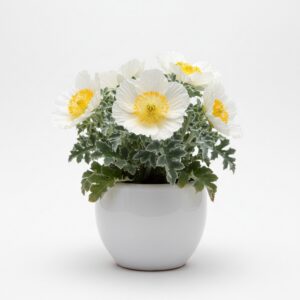
Why You'll Love It
Pimpernel, with its charming, delicate flowers, brings a touch of whimsy to any garden or indoor space. Its blooms, often in vibrant shades of red, blue, or orange, are a delightful sight. Plant lovers adore Pimpernel for its easy-going nature and ability to thrive in a variety of conditions. The plant's low-growing habit makes it perfect for ground cover or spilling over the edges of pots. Its unique ability to close its petals in response to impending rain or darkness adds to its allure, making it a fascinating and interactive addition to your plant collection. It is also very easy to propagate and share with friends.
The Story
Pimpernel, belonging to the genus Lysimachia, has a rich history, originating in Europe, North Africa, and parts of Asia. It has naturalized in many other regions worldwide. Historically, it has been known as the "poor man's weatherglass" due to its weather-sensitive petals. In traditional medicine, some species of Pimpernel were used for their purported healing properties, though caution is advised due to potential toxicity in certain varieties. The plant's presence in folklore and literature reflects its common occurrence and recognizable nature. Its ability to thrive in disturbed soils has also contributed to its widespread distribution and association with resilience.
Complete Care Guide
Pimpernel thrives in well-draining soil and prefers partial to full sunlight, depending on the specific species. Water regularly, allowing the soil to dry slightly between waterings. Fertilize monthly during the growing season (spring and summer) with a balanced liquid fertilizer to encourage abundant blooming. Prune back spent flowers to promote further flowering. Provide adequate air circulation to prevent fungal diseases. Pimpernel can tolerate a range of temperatures but prefers moderate conditions. Repot in spring if the plant becomes root-bound. Monitor for pests like aphids and spider mites and treat accordingly.
Light Requirements
Pimpernel generally prefers partial sunlight, receiving about 4-6 hours of direct sunlight per day. However, some varieties can tolerate full sun, especially in cooler climates. Insufficient light can lead to leggy growth and reduced flowering. Indoors, place Pimpernel near a sunny window, such as an east- or west-facing window. Rotate the plant regularly to ensure even light exposure. If natural light is insufficient, supplement with artificial grow lights. Be mindful of intense afternoon sun, which can scorch the leaves, particularly in hot climates.
Seasonal Care
Spring
In spring, increase watering and begin fertilizing regularly to encourage new growth and flowering. Repot if necessary. Provide ample sunlight.
Summer
During summer, maintain consistent watering and continue fertilizing. Protect the plant from intense afternoon sun. Monitor for pests and diseases.
Fall
In fall, reduce watering and stop fertilizing. Prune back any dead or damaged foliage. Prepare the plant for dormancy.
Winter
In winter, provide minimal watering and avoid fertilizing. Protect the plant from frost. Ensure adequate light, even during shorter days.
The Life of Your Pimpernel
Seedling / Juvenile
For young Pimpernel seedlings, provide bright, indirect light and maintain consistently moist (but not soggy) soil. Use a well-draining potting mix and avoid overwatering. Gentle fertilization with a diluted liquid fertilizer can encourage healthy growth.
Adolescent
As Pimpernel develops, gradually increase light exposure. Continue to water regularly, allowing the top inch of soil to dry out between waterings. Begin fertilizing more regularly with a balanced fertilizer to promote strong growth.
Mature
During the active blooming period, provide ample sunlight and consistent watering. Fertilize regularly to encourage abundant flowering. Deadhead spent flowers to promote further blooms. Monitor for pests and diseases.
Established
After the blooming period, reduce watering slightly and allow the plant to rest. Prune back any dead or damaged foliage. You can reduce or stop fertilizing during this period. Consider repotting in spring if the plant has outgrown its container.
Propagation Guide
Pimpernel can be easily propagated through stem cuttings or division.
Stem Cuttings: Take a 4-6 inch stem cutting from a healthy plant. Remove the lower leaves and dip the cut end in rooting hormone. Plant the cutting in moist potting mix. Keep the soil consistently moist and provide bright, indirect light. Roots should develop in a few weeks.
Division: Divide established plants in spring or fall. Carefully dig up the plant and separate the root ball into smaller clumps. Replant each clump in fresh potting mix. Water thoroughly.
Expert Knowledge
Some Pimpernel species are considered invasive in certain regions. Always research the specific species you are growing and take steps to prevent its spread if necessary. Consider growing it in containers to control its growth. Regularly pinching back the stems can encourage bushier growth and more abundant flowering. Pimpernel can be used as an indicator plant, as its leaves will close in response to changes in humidity or light.
Troubleshooting
Yellow leaves
Yellow leaves can indicate overwatering, underwatering, nutrient deficiencies, or pest infestations. Adjust watering practices, fertilize appropriately, and inspect for pests.
Brown leaf edges
Brown edges on leaves often suggest dry air or insufficient humidity. Increase humidity by misting the plant, using a humidifier, or placing the pot on a tray of pebbles filled with water.
Drooping leaves
Drooping can be caused by underwatering or root rot. Check the soil moisture and adjust watering accordingly. If root rot is suspected, repot the plant in fresh, well-draining soil.
Root rot
Root rot is caused by overwatering and poor drainage. Repot the plant in fresh, well-draining soil. Remove any affected roots. Improve drainage and reduce watering frequency.
Pests
Pests like aphids and spider mites can infest Pimpernel. Treat with insecticidal soap or neem oil. Regularly inspect the plant for signs of infestation.
Frequently Asked Questions
What are the ideal light conditions?
Pimpernel thrives in partial to full sunlight, requiring 4-6 hours of direct sun daily.
How often should I water?
Water Pimpernel regularly, allowing the top inch of soil to dry out between waterings.
When should I repot?
Repot Pimpernel in spring if it becomes root-bound, using a well-draining potting mix.
Is it toxic to pets?
Some Pimpernel species can be toxic to pets and children if ingested.
How big will it grow?
Pimpernel typically grows to be 6-12 inches tall and wide indoors.
Can I propagate at home?
Yes, Pimpernel can be easily propagated at home through stem cuttings or division.