
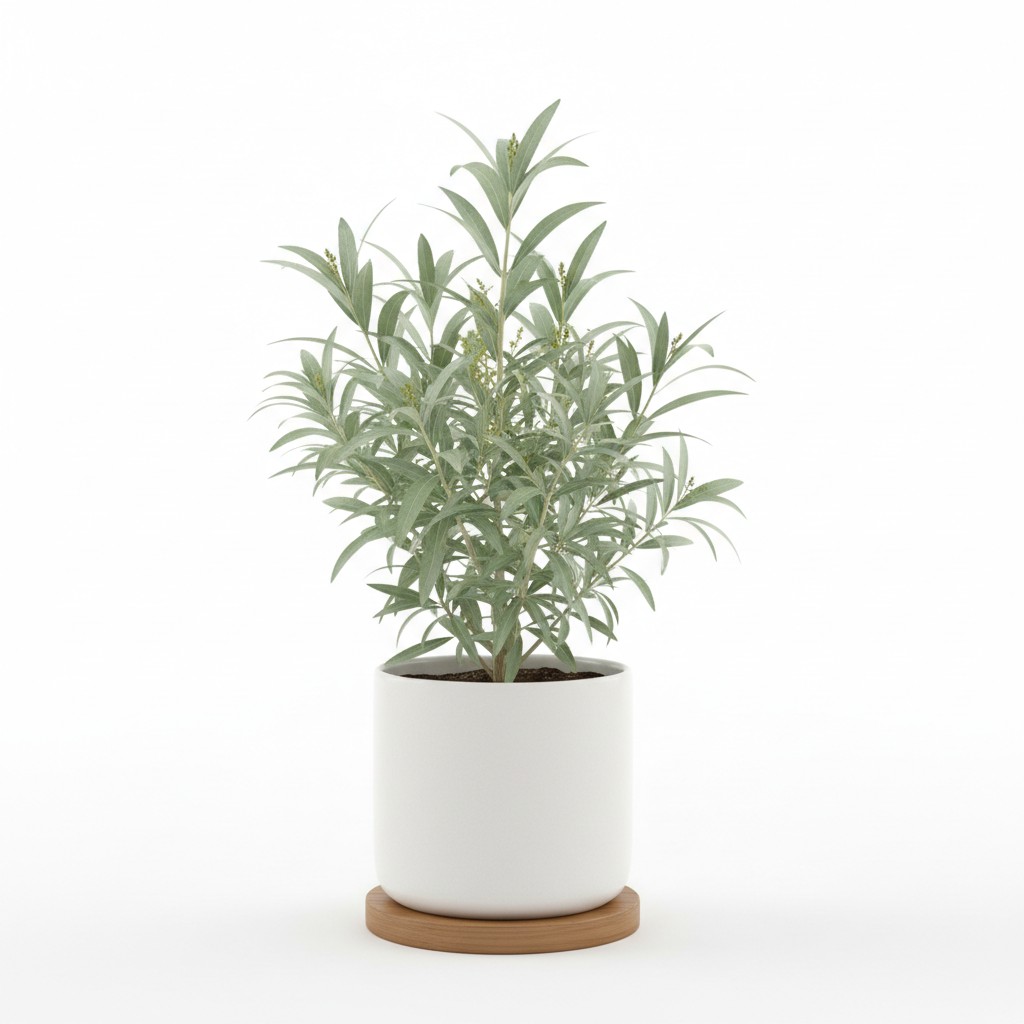
Why You'll Love It
Oleaster, with its silvery-green foliage, brings a touch of the Mediterranean to your indoor space. Its leaves, shimmering under the light, provide a calming and elegant aesthetic. Oleaster is relatively low-maintenance, making it a great choice for both beginner and experienced plant enthusiasts.
Its ability to tolerate a range of conditions, including less-than-perfect watering habits, adds to its appeal. The plant's natural resilience allows it to thrive indoors, providing a long-lasting and rewarding experience.
Many appreciate the textured leaves and the subtle fragrance that some varieties offer, especially when they are in bloom.
The Oleaster's unique look and manageable care requirements make it a beautiful and practical addition to any home.
The Story
Oleaster, scientifically known as Elaeagnus, originates from regions spanning southern Europe and Asia. Its natural habitat consists of coastal areas and woodlands, where it thrives in well-drained soil and sunny conditions. The plant has been cultivated for centuries, prized for its ornamental value and its ability to tolerate harsh environments. In some cultures, Oleaster has symbolic significance, representing resilience and adaptability. Its silvery foliage has made it a popular choice for landscaping and hedging in Mediterranean climates. The plant's historical use extends to traditional medicine, where various parts of the plant were used for their astringent and anti-inflammatory properties. Today, Oleaster is appreciated globally as a versatile and attractive plant, suitable for both indoor and outdoor cultivation.
Complete Care Guide
Oleaster plants thrive indoors with bright, indirect light. Water thoroughly when the top inch of soil feels dry, ensuring proper drainage to prevent root rot. Maintain moderate humidity levels, especially during dry winter months, by misting the foliage or using a humidifier. Fertilize monthly during the growing season (spring and summer) with a balanced liquid fertilizer diluted to half strength. Prune regularly to maintain shape and remove any dead or damaged branches. Repot every 2-3 years into a slightly larger pot with well-draining potting mix. Maintain a stable temperature between 60-75°F (15-24°C). Monitor for pests such as spider mites and treat promptly with insecticidal soap. Ensure good air circulation to prevent fungal diseases.
Light Requirements
Oleaster thrives in bright, indirect light. Insufficient light can lead to leggy growth and dull foliage. Ideally, place your Oleaster near an east- or west-facing window where it can receive several hours of filtered sunlight each day. Avoid direct sunlight, which can scorch the leaves. Rotate the plant regularly to ensure even light exposure on all sides. If natural light is limited, supplement with a grow light. Position the grow light 12-18 inches above the plant for 12-14 hours per day. Observe the plant's foliage: pale or stretched leaves indicate a need for more light.
Seasonal Care
Spring
In spring, increase watering frequency as the plant enters its active growing season. Begin fertilizing monthly with a balanced liquid fertilizer. Prune to remove any dead or damaged branches and to shape the plant. Repot if necessary.
Summer
During summer, ensure the plant receives adequate light and water. Monitor for pests and diseases. Provide shade during the hottest part of the day to prevent leaf scorch. Maintain moderate humidity levels.
Fall
In the fall, reduce watering frequency as the plant's growth slows down. Discontinue fertilizing. Clean the leaves to remove any dust or debris. Prepare the plant for winter by ensuring it is in a draft-free location.
Winter
During winter, water sparingly, only when the soil is dry to the touch. Maintain moderate humidity levels. Avoid placing the plant near heat sources, which can dry out the foliage. Provide adequate light.
The Life of Your Oleaster
Seedling / Juvenile
Young Oleaster seedlings require consistent moisture and bright, indirect light. Use a well-draining potting mix and a small pot. Avoid overwatering, which can lead to root rot. Provide gentle support if the seedling is unstable.
Adolescent
During the adolescent phase, Oleaster plants need regular watering and fertilization. Increase pot size as needed. Prune lightly to encourage branching. Monitor for pests and diseases. Provide adequate light for healthy growth.
Mature
Mature Oleaster plants require less frequent watering and fertilization. Repot every 2-3 years. Prune to maintain shape and remove dead branches. Provide consistent light and humidity. Monitor for pests and diseases.
Established
Established Oleaster plants are relatively low-maintenance. Continue regular watering and fertilization as needed. Prune to maintain shape. Monitor for pests and diseases. Ensure adequate light and humidity for optimal health.
Propagation Guide
Oleaster can be propagated through stem cuttings or air layering. For stem cuttings, take a 4-6 inch cutting from new growth in spring or summer. Remove the lower leaves and dip the cut end in rooting hormone. Plant the cutting in a well-draining potting mix and keep it moist in a humid environment. Roots should develop in 4-6 weeks. For air layering, make a small incision on a stem and wrap it with moist sphagnum moss. Cover the moss with plastic wrap and secure it with tape. Roots should develop within a few months. Once roots are visible, cut the stem below the rooted area and pot it in a well-draining potting mix.
Expert Knowledge
To encourage bushier growth, pinch back the tips of new growth regularly. Oleaster benefits from consistent conditions, so avoid drastic changes in temperature, light, or humidity. Regularly inspect the plant for pests and diseases to prevent infestations. Consider using a slow-release fertilizer to provide a steady supply of nutrients. Over-fertilizing can lead to salt buildup in the soil, so flush the soil periodically with water. Ensure excellent drainage to prevent root rot.
Troubleshooting
Yellow leaves
Yellow leaves on Oleaster are often caused by overwatering or poor drainage. Allow the soil to dry out slightly between waterings. Ensure the pot has drainage holes. Check for root rot. Adjust watering frequency as needed.
Brown leaf edges
Brown edges on Oleaster leaves are usually a sign of dry air or inconsistent watering. Increase humidity by misting the plant or using a humidifier. Water regularly and consistently. Avoid letting the soil dry out completely.
Drooping leaves
Drooping leaves on Oleaster can indicate underwatering or overwatering. Check the soil moisture and adjust watering accordingly. Ensure the plant is receiving adequate light. Consider repotting if the plant is root-bound.
Root rot
Root rot in Oleaster is caused by overwatering and poor drainage. Remove the plant from the pot and trim away any rotten roots. Repot in fresh, well-draining potting mix. Reduce watering frequency.
Pests
Common pests on Oleaster include spider mites, aphids, and scale. Treat infestations with insecticidal soap or neem oil. Regularly inspect the plant for pests. Improve air circulation to prevent pest infestations.
Frequently Asked Questions
What are the ideal light conditions?
Oleaster needs bright, indirect light for optimal growth.
How often should I water?
Water Oleaster when the top inch of soil feels dry.
When should I repot?
Repot Oleaster every 2-3 years in spring.
Is it toxic to pets?
Oleaster is generally considered non-toxic to pets and children.
How big will it grow?
Indoors, Oleaster can grow to 3-6 feet tall.
Can I propagate at home?
Yes, Oleaster can be propagated from stem cuttings.


