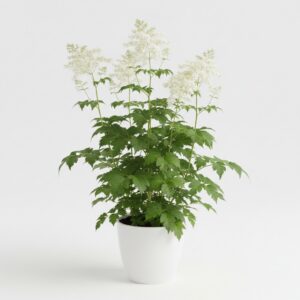
Why You'll Love It
Mother of Pearl Plant, also known as Graptopetalum paraguayense, is a succulent that captivates with its rosette-shaped leaves displaying a mesmerizing range of colors, from soft pinks and purples to silvery blues, reminiscent of the iridescent beauty of mother-of-pearl. Its drought tolerance makes it a low-maintenance option for busy plant enthusiasts. The ease of propagation allows you to expand your collection effortlessly. Its adaptable nature thrives in various indoor settings, adding a touch of elegance to any space. Plant lovers adore the Mother of Pearl Plant for its unique aesthetic appeal and forgiving care requirements. The plant's ability to change color based on light exposure adds an element of surprise and visual interest, making it a rewarding addition to any succulent collection.
The Story
Graptopetalum paraguayense, commonly known as Mother of Pearl Plant or Ghost Plant, originates from Tamaulipas, Mexico. Its natural habitat consists of rocky slopes and cliffs, where it thrives in well-draining soil and bright sunlight. The plant's ability to tolerate drought conditions is a result of its adaptation to this arid environment. While its exact history and introduction to cultivation are not extensively documented, it has become a popular succulent worldwide due to its attractive appearance and ease of care. The "paraguayense" in its scientific name is a misnomer, as it does not originate from Paraguay. The plant holds no significant cultural or traditional symbolism, but it is valued for its ornamental qualities and its ability to bring a touch of the desert landscape into homes and gardens.
Complete Care Guide
Mother of Pearl Plant is a relatively easy-to-care-for succulent that thrives in bright, indirect sunlight and well-draining soil. Water thoroughly only when the soil is completely dry, typically every 2-4 weeks, depending on the climate and pot size. Overwatering is a common problem, so ensure the pot has drainage holes. Use a well-draining succulent or cactus mix. Fertilize sparingly, only during the growing season (spring and summer), with a diluted succulent fertilizer. The ideal temperature range is between 65°F and 80°F (18°C and 27°C). Protect from frost. Repot every 1-2 years, or when the plant becomes root-bound. Prune any dead or damaged leaves. Provide adequate air circulation to prevent fungal diseases. Monitor for pests such as mealybugs or aphids and treat promptly.
Light Requirements
Mother of Pearl Plant requires bright, indirect sunlight to thrive. Insufficient light can cause the plant to etiolate, or stretch towards the light source, resulting in weak growth and a loss of its characteristic color. A south-facing or east-facing window is ideal. If natural light is limited, supplement with a grow light. Rotate the plant regularly to ensure even growth on all sides. Avoid exposing the plant to direct, intense sunlight, especially during the hottest part of the day, as this can scorch the leaves. The plant's color intensity is directly related to the amount of light it receives; more light will result in more vibrant pinks and purples.
Seasonal Care
Spring
In spring, increase watering frequency as the plant enters its growing season. Fertilize with a diluted succulent fertilizer. Repot if necessary. Provide bright, indirect light and monitor for pests.
Summer
During summer, protect Mother of Pearl Plant from intense, direct sunlight. Water thoroughly only when the soil is completely dry. Ensure good air circulation to prevent fungal diseases.
Fall
In fall, reduce watering frequency as the plant prepares for dormancy. Avoid fertilizing. Maintain bright, indirect light and protect from frost.
Winter
During winter, water sparingly, only when the soil is completely dry. Avoid fertilizing. Provide bright, indirect light and protect from freezing temperatures.
The Life of Your Mother of Pearl Plant
Seedling / Juvenile
Young Mother of Pearl Plant seedlings require gentle care. Provide bright, indirect light and water sparingly, allowing the soil to dry completely between waterings. Use a well-draining succulent mix and ensure proper drainage to prevent root rot.
Adolescent
During the active growth period, typically in spring and summer, Mother of Pearl Plant benefits from slightly more frequent watering and occasional fertilization with a diluted succulent fertilizer. Monitor the plant for signs of pests or diseases.
Mature
As Mother of Pearl Plant matures, reduce watering frequency during the dormancy period in fall and winter. Avoid fertilizing during this time. Maintain bright, indirect light and protect from frost.
Established
Established Mother of Pearl Plants require minimal maintenance. Repot every 1-2 years, prune as needed, and continue to provide bright, indirect light and well-draining soil. Monitor for pests and adjust watering based on seasonal changes.
Propagation Guide
Mother of Pearl Plant is easily propagated through leaf cuttings, offsets, or stem cuttings. For leaf cuttings, gently twist off a healthy leaf and allow it to callous over for a few days. Place the calloused end on top of well-draining soil and mist lightly. Roots and new plantlets will emerge in a few weeks. Offsets can be carefully separated from the mother plant and planted in their own pots. For stem cuttings, cut a stem section and allow it to callous over before planting in well-draining soil. Keep the soil lightly moist until roots develop. Provide bright, indirect light during propagation.
Expert Knowledge
Mother of Pearl Plant can tolerate a wide range of conditions, but it thrives when provided with well-draining soil, bright, indirect light, and infrequent watering. The plant's color intensity is directly related to light exposure; more light will result in more vibrant colors. Overwatering is the most common cause of problems. Allow the soil to dry completely between waterings to prevent root rot. Propagation is easy and can be done using leaf cuttings, offsets, or stem cuttings. Regular inspection for pests and diseases is essential for maintaining plant health.
Troubleshooting
Yellow leaves
Yellow leaves on Mother of Pearl Plant are often a sign of overwatering. Allow the soil to dry completely between waterings. Ensure the pot has drainage holes and use a well-draining succulent mix.
Brown leaf edges
Brown edges on Mother of Pearl Plant can indicate sunburn or insufficient light followed by sudden exposure to intense light. Provide bright, indirect light and avoid direct sunlight. Gradually acclimate the plant to brighter conditions.
Drooping leaves
Drooping leaves on Mother of Pearl Plant can be a sign of underwatering or root rot. Check the soil moisture and water thoroughly if dry. If the soil is wet, suspect root rot and repot with fresh, well-draining soil.
Root rot
Root rot is often caused by overwatering and poor drainage. Repot the plant in fresh, well-draining succulent mix, removing any affected roots. Ensure the pot has drainage holes and allow the soil to dry completely between waterings.
Pests
Mealybugs and aphids are common pests that can infest Mother of Pearl Plant. Treat infestations with insecticidal soap or neem oil, ensuring to reach all affected areas. Isolate the plant to prevent the pests from spreading.
Frequently Asked Questions
What are the ideal light conditions?
Mother of Pearl Plant thrives in bright, indirect sunlight.
How often should I water?
Water thoroughly only when the soil is completely dry.
When should I repot?
Repot every 1-2 years, or when root-bound, in spring.
Is it toxic to pets?
Mother of Pearl Plant is generally considered non-toxic.
How big will it grow?
Indoors, it typically grows to 6-12 inches in height.
Can I propagate at home?
Yes, it easily propagates from leaves, offsets, or stems.