Why You'll Love It
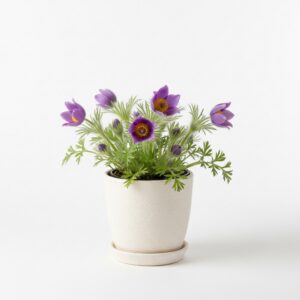
Queen of the Meadow, with its frothy plumes of delicate pink or white flowers, brings an ethereal beauty to any garden or naturalized space. Plant lovers adore this perennial for its graceful presence and ability to attract pollinators like butterflies and bees, creating a vibrant ecosystem. The tall, sturdy stems provide architectural interest, while the sweet fragrance of the blooms adds a sensory delight. Its relatively low maintenance nature, coupled with its impressive height and showy flowers, makes it a favorite for cottage gardens, wildflower meadows, and even as a backdrop in formal borders. It is a reliable bloomer, offering a long season of beauty.
The Story
Queen of the Meadow, scientifically known as Filipendula ulmaria, is native to Europe and parts of Asia. It thrives in damp meadows, along riverbanks, and in other moist, open habitats. Historically, it has been used medicinally for its salicylic acid content, a natural precursor to aspirin. The plant's name "ulmaria" refers to its resemblance to the elm tree (Ulmus) in its foliage. In folklore, Queen of the Meadow was associated with love and beauty, often used in bridal bouquets and floral garlands. Its presence in the landscape signifies abundance and natural harmony, making it a cherished plant in many cultures. It was often strewn on floors to freshen the air.
Complete Care Guide
Queen of the Meadow prefers full sun to partial shade, with at least 6 hours of direct sunlight for optimal flowering. Water regularly, especially during dry spells, ensuring the soil remains consistently moist but not waterlogged. Fertilize in early spring with a balanced, slow-release fertilizer to promote healthy growth and abundant blooms. Deadhead spent flowers to encourage further blooming and prevent self-seeding. Provide support for taller varieties to prevent them from flopping over. Mulch around the base of the plant to retain moisture and suppress weeds. Prune back foliage in late fall or early spring. Monitor for pests and diseases, and treat accordingly. Divide clumps every few years to rejuvenate the plant and prevent overcrowding. Ensure good air circulation to prevent fungal issues.
Light Requirements
Queen of the Meadow thrives in full sun to partial shade. Ideally, it should receive at least 6 hours of direct sunlight daily for optimal flowering. In hotter climates, providing some afternoon shade can prevent scorching of the leaves. If grown in too much shade, the plant may produce fewer flowers and become leggy. When planting, consider the amount of sunlight the area receives throughout the day and choose a location accordingly. Monitor the plant's growth and adjust its location if necessary to ensure it receives adequate light.
Seasonal Care
Spring
In spring, fertilize with a balanced, slow-release fertilizer. Divide clumps if needed. Monitor for pests and diseases. Ensure adequate sunlight and water.
Summer
Provide consistent moisture, especially during hot weather. Deadhead spent flowers regularly to encourage continuous blooming. Monitor for pests and diseases.
Fall
Cut back foliage after the first frost. Mulch around the base of the plant to protect the roots. Collect seeds for propagation if desired.
Winter
In colder climates, provide winter protection by mulching heavily around the base of the plant. Avoid overwatering during dormancy.
The Life of Your Queen of the Meadow
Seedling / Juvenile
Provide consistent moisture and partial shade for young Queen of the Meadow seedlings. Gradually acclimate them to more sunlight as they mature. Fertilize lightly with a diluted, balanced fertilizer.
Adolescent
Ensure adequate sunlight and consistent moisture. Support developing stems if needed. Monitor for pests and diseases, addressing any issues promptly to prevent problems.
Mature
Deadhead spent flowers regularly to encourage continuous blooming. Provide adequate water, especially during hot weather. Monitor for pests and diseases, and treat as needed.
Established
Cut back foliage in late fall or early spring. Divide clumps every few years to rejuvenate the plant. Fertilize in early spring to promote new growth and reblooming.
Propagation Guide
Queen of the Meadow can be propagated through division, stem cuttings, or seed. Division is best done in early spring or fall. Carefully dig up the plant and divide the root ball into smaller clumps, ensuring each clump has healthy roots and foliage. Replant the divisions in well-draining soil. Stem cuttings can be taken in late spring or early summer. Take 4-6 inch cuttings from new growth, remove the lower leaves, and dip the cut end in rooting hormone. Plant the cuttings in moist potting mix and keep them in a humid environment until they root. Seeds can be sown in early spring or fall, but germination can be slow and uneven.
Expert Knowledge
Queen of the Meadow contains salicylic acid, a natural pain reliever. It can be used to make a soothing tea or poultice. The plant is also a valuable source of nectar for pollinators, making it a beneficial addition to any garden. Different cultivars offer variations in flower color and plant height. Regular division helps maintain vigor and prevents overcrowding. It can be susceptible to powdery mildew in humid conditions; improve air circulation to prevent this.
Troubleshooting
Yellow leaves
Yellow leaves can indicate overwatering or nutrient deficiency. Adjust watering practices and fertilize with a balanced fertilizer.
Brown leaf edges
Brown leaf edges can be a sign of underwatering or dry air. Increase watering frequency and consider using a humidifier.
Drooping leaves
Drooping can be caused by underwatering or root rot. Check soil moisture and drainage, adjusting as needed.
Root rot
Root rot is caused by overwatering and poor drainage. Improve drainage and allow the soil to dry out between waterings.
Pests
Common pests include aphids and spider mites. Treat with insecticidal soap or neem oil.
Frequently Asked Questions
What are the ideal light conditions?
Queen of the Meadow prefers full sun to partial shade, needing at least 6 hours of sunlight for best blooming.
How often should I water?
Water Queen of the Meadow regularly, keeping the soil consistently moist but not waterlogged.
When should I repot?
Queen of the Meadow is typically not grown in pots, but division is done every few years to rejuvenate.
Is it toxic to pets?
Queen of the Meadow is generally considered non-toxic to pets and children.
How big will it grow?
Queen of the Meadow can grow 4-6 feet tall and 2-3 feet wide in optimal conditions.
Can I propagate at home?
Yes, Queen of the Meadow can be propagated at home through division, stem cuttings, or seed.