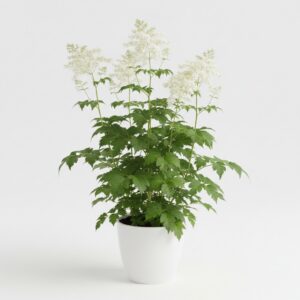
Why You'll Love It
The Maidenhair Tree, or Ginkgo biloba, is a living fossil, a unique and ancient species that brings a touch of history and elegance to any indoor space. Its distinctive fan-shaped leaves, which turn a stunning golden yellow in the fall, are a visual delight. It's relatively easy to care for, making it a great choice for both beginner and experienced plant enthusiasts.
Beyond its aesthetic appeal, the Maidenhair Tree is also known for its air-purifying qualities, contributing to a healthier indoor environment. Its resilience and adaptability make it a long-lasting companion, offering years of enjoyment. The slow growth rate of indoor specimens is ideal for container gardening. Owning a Maidenhair Tree is like having a piece of natural history in your home. Its unique presence and symbolic value make it a truly special addition to any plant collection.
The Story
The Ginkgo biloba, or Maidenhair Tree, boasts a history stretching back over 270 million years, making it one of the oldest living tree species on Earth. Originating in China, it survived the ice ages in a small pocket of the country. For centuries, Ginkgo trees were cultivated in Chinese and Japanese temple gardens, preserving them from extinction.
The tree holds cultural significance in Buddhism and Confucianism, symbolizing longevity and resilience. It was introduced to Europe in the 18th century and quickly gained popularity as an ornamental tree. While primarily found outdoors, smaller Ginkgo specimens can thrive indoors with proper care. Its resilience and unique leaf shape have made it a beloved tree worldwide. It is also used in traditional medicine.
Complete Care Guide
The Maidenhair Tree thrives indoors with proper care. Provide bright, indirect light and avoid direct sunlight, which can scorch the leaves. Water thoroughly when the top inch of soil feels dry, ensuring good drainage to prevent root rot. Maintain moderate humidity levels, especially during dry winter months, by misting the leaves regularly or using a humidifier.
Fertilize sparingly during the growing season (spring and summer) with a balanced liquid fertilizer diluted to half strength. Repot every 2-3 years into a slightly larger pot with well-draining soil. Prune any dead or damaged branches in late winter or early spring. Ensure stable temperatures between 60-75°F (15-24°C). Monitor for pests like spider mites and treat promptly. Good air circulation is essential.
Light Requirements
The Maidenhair Tree, when grown indoors, requires bright, indirect light to thrive. A location near an east- or west-facing window is ideal, providing ample light without the harshness of direct sunlight. Insufficient light can lead to leggy growth and pale leaves.
Avoid placing the tree in a dark corner or hallway. If natural light is limited, supplement with artificial grow lights. Rotate the plant regularly to ensure even light exposure on all sides. During the summer months, consider moving the tree outdoors to a partially shaded location to maximize its light intake. Watch for sunburn if moving outdoors.
Seasonal Care
Spring
In spring, increase watering as the plant resumes active growth. Begin fertilizing with a balanced liquid fertilizer. Repot if needed. Provide brighter light as the days lengthen.
Summer
During summer, maintain consistent watering and fertilization. Protect the plant from intense, direct sunlight. Ensure adequate humidity. Check regularly for pests.
Fall
In fall, reduce watering as the plant prepares for dormancy. Stop fertilizing. Allow the plant to experience cooler temperatures. Enjoy the golden foliage.
Winter
In winter, water sparingly and avoid fertilizing. Provide bright, indirect light. Maintain moderate humidity. Protect from drafts and extreme temperature fluctuations.
The Life of Your Maidenhair Tree
Seedling / Juvenile
Young Maidenhair Trees require consistent moisture and bright, indirect light. Keep the soil consistently moist but not soggy. Provide gentle fertilization with a diluted liquid fertilizer. Protect from drafts and extreme temperatures.
Adolescent
During adolescence, the Maidenhair Tree will begin to develop its characteristic fan-shaped leaves. Increase the light exposure gradually. Continue to monitor watering and fertilization needs. Repot into a slightly larger container as needed.
Mature
Mature Maidenhair Trees require less frequent watering than younger plants. Maintain a regular fertilization schedule during the growing season. Prune to maintain shape and remove any dead or damaged branches.
Established
Established Maidenhair Trees benefit from occasional root pruning during repotting to prevent them from becoming root-bound. Continue to provide optimal light, water, and fertilization. Monitor for pests and diseases.
Propagation Guide
Maidenhair Trees can be propagated through stem cuttings or air layering, though it can be challenging.
Stem Cuttings: Take a 4-6 inch semi-hardwood cutting in late spring or early summer. Remove the lower leaves and dip the cut end in rooting hormone. Plant the cutting in a well-draining potting mix and keep it moist in a humid environment, such as a propagation box or under a plastic bag. Rooting can take several weeks to months.
Air Layering: Make a small incision on a branch and wrap it with moist sphagnum moss. Cover the moss with plastic wrap to retain moisture. After several weeks, roots should emerge. Once the roots are well-developed, cut the branch below the rooted area and pot it in a container. Rooting hormone is recommended for both methods. Maintain stable conditions.
Expert Knowledge
Understanding the Maidenhair Tree's dormancy period is crucial for its long-term health. While it may not completely lose its leaves indoors, it does slow down its growth significantly in the winter. Avoid overwatering during this time, as it can lead to root rot.
Also, consider the long-term size potential of the tree. While it grows slowly indoors, it can eventually outgrow its container. Regular pruning can help maintain a manageable size. Soil acidity can affect growth; aim for a slightly acidic to neutral pH.
Troubleshooting
Yellow leaves
Yellow leaves can indicate overwatering, underwatering, nutrient deficiency, or poor drainage. Check the soil moisture and adjust watering accordingly. Fertilize with a balanced fertilizer. Ensure the pot has drainage holes.
Brown leaf edges
Brown edges on the leaves often indicate low humidity or salt buildup in the soil. Increase humidity by misting or using a humidifier. Flush the soil with water to remove excess salts.
Drooping leaves
Drooping can be caused by underwatering, overwatering, or root rot. Check the soil moisture and adjust watering. Ensure the pot has proper drainage. Check for root rot and treat accordingly.
Root rot
Root rot is caused by overwatering and poor drainage. Remove the plant from the pot, trim away any rotted roots, and repot in fresh, well-draining soil. Reduce watering frequency.
Pests
Common pests include spider mites and mealybugs. Treat infestations with insecticidal soap or neem oil. Isolate the affected plant to prevent the pests from spreading to other plants.
Frequently Asked Questions
What are the ideal light conditions?
Maidenhair Trees need bright, indirect light indoors. Avoid direct sunlight, which can scorch the leaves. An east- or west-facing window is ideal.
How often should I water?
Water when the top inch of soil feels dry. Ensure good drainage to prevent root rot. Reduce watering in winter.
When should I repot?
Repot every 2-3 years in spring. Choose a pot slightly larger than the previous one with well-draining soil.
Is it toxic to pets?
The seeds of the Ginkgo tree contain toxins and can be harmful if ingested. Keep out of reach of children and pets.
How big will it grow?
Indoors, Maidenhair Trees typically grow to a height of 3-6 feet, depending on the pot size and growing conditions.
Can I propagate at home?
Yes, Maidenhair Trees can be propagated at home through stem cuttings or air layering, though success rates can vary.