Why You'll Love It
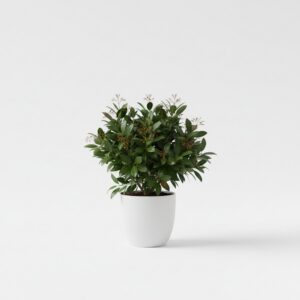
Ginger plants, with their vibrant foliage and exotic, often fragrant, flowers, bring a touch of the tropics to any indoor space. Plant lovers adore them for their architectural presence, adding height and lushness to collections. The diverse range of flower colors and forms, from the classic beehive ginger to the delicate butterfly ginger, offers something for every taste. Beyond their beauty, many ginger varieties emit a delightful fragrance, filling the air with a sweet, spicy aroma. The relatively easy care requirements, coupled with their stunning visual impact, make ginger plants a rewarding addition to any plant enthusiast's home. Many find the flowering period particularly exciting, a burst of color and life that brightens even the dullest days. Their ability to thrive indoors, even in less-than-ideal conditions, makes them a popular choice.
The Story
Ginger's origins trace back to Southeast Asia, particularly India and southern China, where it has been cultivated for millennia. Its natural habitat includes humid, tropical rainforests, thriving in the dappled sunlight beneath the forest canopy. Historically, ginger has been revered for its medicinal properties and culinary uses, playing a significant role in traditional medicine systems like Ayurveda and Traditional Chinese Medicine. It has been traded along ancient spice routes for centuries, spreading its popularity across the globe. In many cultures, ginger symbolizes prosperity, good health, and vitality. Its use in religious ceremonies and traditional rituals further highlights its cultural significance. The diverse varieties we see today are a result of centuries of cultivation and hybridization, adapted to various climates and preferences.
Complete Care Guide
Ginger plants thrive in bright, indirect light; direct sunlight can scorch their leaves. Water regularly, keeping the soil consistently moist but not waterlogged. During the growing season (spring and summer), fertilize every 2-4 weeks with a balanced liquid fertilizer. Reduce watering and fertilizing in the fall and winter when the plant's growth slows down. Maintain high humidity levels by misting the plant regularly or using a humidifier. Repot the plant every 1-2 years in the spring, using a well-draining potting mix. Prune away any dead or yellowing leaves to encourage new growth. Monitor for pests such as spider mites and aphids, and treat accordingly. Ensure good air circulation to prevent fungal diseases. Provide temperatures between 65-75°F (18-24°C) for optimal growth. Allow the soil to slightly dry out between waterings in the cooler months.
Light Requirements
Ginger plants need bright, indirect light to thrive. Direct sunlight can burn their leaves, so avoid placing them in south-facing windows without some form of shading. East- or west-facing windows are generally ideal, providing ample light without being too harsh. If you don't have access to natural light, you can supplement with grow lights. Insufficient light can lead to leggy growth and a lack of blooms. Rotate your plant regularly to ensure even light exposure on all sides. Observe your plant for signs of light stress, such as pale or yellowing leaves, and adjust its position accordingly. During the winter months, when light levels are lower, you may need to move your plant closer to a window or supplement with grow lights.
Seasonal Care
Spring
Repot your ginger plant in the spring to provide fresh soil and room for growth. Increase watering and fertilizing as the plant enters its active growing season. Provide bright, indirect light. Monitor for pests.
Summer
Maintain consistent watering and fertilizing throughout the summer. Provide high humidity levels by misting regularly. Protect the plant from direct sunlight. Ensure good air circulation.
Fall
Reduce watering and fertilizing as the plant's growth slows down. Monitor for pests. Ensure adequate light exposure as daylight hours decrease. Prepare the plant for dormancy.
Winter
Water sparingly during the winter months, allowing the soil to dry out slightly between waterings. Avoid fertilizing. Provide bright, indirect light. Maintain temperatures above 60°F (15°C).
The Life of Your Ginger
Seedling / Juvenile
When starting ginger from a rhizome, ensure it has visible "eyes" or buds. Plant it in well-draining potting mix, barely covering the rhizome. Keep the soil consistently moist and provide warm temperatures (around 70-75°F). Avoid direct sunlight at this stage.
Adolescent
As the plant grows, gradually increase light exposure. Continue to water regularly, allowing the top inch of soil to dry out between waterings. Begin fertilizing with a balanced liquid fertilizer every 2-4 weeks.
Mature
During the blooming period, maintain consistent watering and fertilizing. Provide high humidity levels to prolong the life of the flowers. Deadhead spent blooms to encourage new growth. Ensure adequate air circulation.
Established
After blooming, reduce watering and fertilizing. Allow the plant to rest during the cooler months. Prune away any dead or yellowing foliage. Repot in the spring to encourage new growth and reblooming.
Propagation Guide
Ginger can be propagated by division, stem cuttings, or keiki (small plantlets that grow on the flower stalks).
Division: In spring, carefully divide the rhizome into sections, ensuring each section has at least one growth bud. Plant each section in its own pot.
Stem Cuttings: Take stem cuttings from healthy stems in spring or summer. Place the cuttings in water or directly into potting mix until roots develop.
Keiki: If your ginger plant produces keiki, wait until they have developed roots before carefully removing them and planting them in their own pots. Keep newly propagated plants in a warm, humid environment until they are established. Provide bright, indirect light and consistent moisture. Avoid overwatering, which can lead to root rot.
Expert Knowledge
To encourage abundant blooms, use a fertilizer high in phosphorus. Ginger plants benefit from regular grooming to remove dead or yellowing foliage. Consider using a humidity tray filled with pebbles and water to increase humidity around the plant. Avoid using tap water for watering, as it can contain chemicals that can harm the plant. Rainwater or distilled water is preferred. Some ginger varieties can be grown outdoors in warm climates, but they need protection from frost. Research the specific needs of your ginger variety for optimal care.
Troubleshooting
Yellow leaves
Overwatering, underwatering, or nutrient deficiencies can cause yellow leaves. Check the soil moisture and adjust watering accordingly. Fertilize with a balanced fertilizer. Ensure proper drainage.
Brown leaf edges
Low humidity or excessive fertilizer can cause brown edges on leaves. Increase humidity by misting or using a humidifier. Reduce fertilizer concentration. Flush the soil with water to remove excess salts.
Drooping leaves
Drooping leaves can indicate underwatering or root rot. Check the soil moisture and adjust watering accordingly. Ensure proper drainage to prevent root rot. Improve air circulation.
Root rot
Root rot is caused by overwatering and poor drainage. Repot the plant in fresh, well-draining potting mix. Remove any affected roots. Reduce watering frequency.
Pests
Spider mites, aphids, and mealybugs can infest ginger plants. Treat with insecticidal soap or neem oil. Isolate the plant to prevent the spread of pests. Increase humidity to deter spider mites.
Frequently Asked Questions
What are the ideal light conditions?
Ginger prefers bright, indirect light. Avoid direct sunlight which can scorch the leaves.
How often should I water?
Water regularly, keeping the soil consistently moist but not waterlogged. Allow the top inch of soil to dry out slightly between waterings.
When should I repot?
Repot every 1-2 years in the spring, using a well-draining potting mix. Choose a pot that is slightly larger than the current one.
Is it toxic to pets?
Some ginger varieties are considered non-toxic to pets and children, while others may cause mild irritation if ingested.
How big will it grow?
Indoor ginger plants can typically grow to a height of 2-4 feet, depending on the variety and growing conditions.
Can I propagate at home?
Yes, ginger can be propagated at home through division, stem cuttings, or keiki.