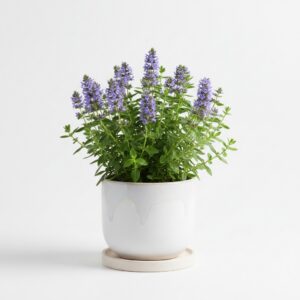
Why You'll Love It
Pennisetum, with its graceful, arching foliage and feathery plumes, brings texture and movement to any landscape or garden. Plant lovers adore Pennisetum for its versatility; it thrives in borders, mass plantings, or even containers. The soft, bottlebrush-like flower heads, often in shades of cream, pink, or purple, add visual interest throughout the growing season and into the fall, providing stunning autumn color. Beyond aesthetics, Pennisetum is relatively low-maintenance, drought-tolerant once established, and attracts beneficial insects and birds. Its ability to sway gently in the breeze creates a soothing and dynamic element in any outdoor space. The plant’s elegant form and adaptability make it a favorite among both novice and experienced gardeners. It's a true statement piece that adds a touch of natural beauty to any setting.
The Story
Pennisetum is a genus of grasses native to tropical and warm-temperate regions around the world, particularly Africa, Asia, and Australia. The name "Pennisetum" comes from the Latin words "penna" (feather) and "seta" (bristle), referring to the feathery bristles that surround the seeds. Historically, some Pennisetum species, like pearl millet (Pennisetum glaucum), have been cultivated as important food crops in Africa and Asia for centuries. Other species, such as Pennisetum setaceum 'Rubrum' (Purple Fountain Grass), have gained popularity as ornamental grasses due to their striking foliage and flower heads. In some areas, certain Pennisetum species are considered invasive due to their rapid spread and ability to outcompete native vegetation. However, their ornamental value and adaptability have made them widely cultivated in gardens and landscapes worldwide.
Complete Care Guide
Pennisetum thrives in full sun and well-draining soil. Water deeply but infrequently, allowing the soil to dry out slightly between waterings, especially once established. Fertilize in spring with a balanced, slow-release fertilizer to promote healthy growth and abundant blooms. Avoid over-fertilizing, as this can lead to excessive foliage growth at the expense of flowering. Prune back the foliage in late winter or early spring before new growth emerges. Remove any dead or damaged leaves throughout the growing season. Pennisetum is generally drought-tolerant once established but benefits from occasional watering during prolonged dry periods. Monitor for pests such as aphids or spider mites and treat accordingly. Provide adequate air circulation to prevent fungal diseases. Mulch around the base of the plant to help retain moisture and suppress weeds.
Light Requirements
Pennisetum requires at least 6-8 hours of direct sunlight per day to thrive and produce abundant flower plumes. Insufficient light can result in leggy growth, reduced flowering, and faded foliage color. When planting Pennisetum in the landscape, choose a location that receives full sun exposure throughout the day. If growing Pennisetum in containers, place them in a sunny spot on a patio or balcony. South-facing exposures are typically ideal. If you notice your Pennisetum is not flowering as expected, or if the foliage appears pale, consider moving it to a sunnier location. Supplemental lighting may be necessary in regions with short growing seasons or limited sunlight.
Seasonal Care
Spring
In spring, prune back old foliage before new growth emerges. Fertilize with a balanced, slow-release fertilizer. Divide established clumps if desired. Ensure adequate sunlight and water regularly.
Summer
During summer, maintain consistent watering, especially during dry spells. Deadhead spent flower plumes to encourage continued blooming. Monitor for pests and diseases. Provide adequate air circulation.
Fall
In fall, allow the flower plumes to dry and remain on the plant for winter interest. Reduce watering frequency. Prepare for cooler temperatures by mulching around the base of the plant.
Winter
In winter, protect the plant from extreme cold and snow. Avoid overwatering. Prune back foliage in late winter or early spring before new growth emerges.
The Life of Your Pennisetum
Seedling / Juvenile
During the seedling stage, provide consistent moisture but avoid overwatering. Ensure seedlings receive ample sunlight, at least 6 hours per day. Fertilize with a diluted, balanced fertilizer to encourage healthy root development. Protect young plants from frost and extreme weather conditions.
Adolescent
As Pennisetum matures, gradually reduce watering frequency, allowing the soil to dry out slightly between waterings. Continue to provide full sun exposure. Apply a balanced fertilizer in spring to promote vigorous growth and prepare the plant for flowering. Monitor for pests and diseases.
Mature
During the active blooming period, maintain consistent watering, especially during dry spells. Fertilize lightly to support flower production. Deadhead spent flower plumes to encourage continued blooming. Ensure adequate air circulation to prevent fungal diseases.
Established
After the blooming period, reduce watering frequency further. In late winter or early spring, prune back the foliage to prepare for new growth. Apply a slow-release fertilizer to replenish nutrients in the soil. Monitor for pests and diseases.
Propagation Guide
Pennisetum can be propagated by division or seed. Division is best done in spring. Dig up the plant and gently separate the root ball into smaller clumps, ensuring each clump has healthy roots and foliage. Replant the divisions in well-draining soil. To propagate by seed, sow seeds indoors in early spring or directly outdoors after the last frost. Keep the soil moist until germination occurs. Stem cuttings are not a common propagation method for Pennisetum. Keikis are not applicable as Pennisetum does not produce them. Provide ample sunlight and water regularly. Seedlings should be hardened off before transplanting outdoors.
Expert Knowledge
Pennisetum's ornamental value extends beyond its blooms; its foliage provides year-round texture and movement. Choose cultivars based on desired height, color, and bloom time. In colder climates, provide winter protection by mulching heavily around the base of the plant. Avoid planting Pennisetum in overly fertile soils, as this can lead to excessive foliage growth at the expense of flowering. Some Pennisetum species can be invasive, so choose non-invasive cultivars or manage their spread by deadheading regularly.
Troubleshooting
Yellow leaves
Yellow leaves can indicate overwatering, poor drainage, or nutrient deficiencies. Ensure the soil is well-draining and adjust watering accordingly. Fertilize with a balanced fertilizer to correct nutrient imbalances.
Brown leaf edges
Brown edges on leaves often signify underwatering or dry air. Increase watering frequency and ensure adequate humidity, especially during hot, dry weather. Mulch around the base of the plant to retain moisture.
Drooping leaves
Drooping can be caused by underwatering, excessive heat, or root rot. Check the soil moisture and water as needed. Provide shade during the hottest part of the day. Ensure good drainage to prevent root rot.
Root rot
Root rot is typically caused by overwatering and poor drainage. Improve soil drainage by amending with sand or perlite. Allow the soil to dry out completely between waterings. Treat with a fungicide if necessary.
Pests
Pests such as aphids, spider mites, and scale can infest Pennisetum. Treat infestations with insecticidal soap or neem oil. Ensure adequate air circulation to prevent pest problems.
Frequently Asked Questions
What are the ideal light conditions?
Pennisetum needs full sun, at least 6-8 hours daily.
How often should I water?
Water deeply when the top inch of soil is dry.
When should I repot?
Repot in spring if root-bound, using well-draining soil.
Is it toxic to pets?
Pennisetum is generally considered non-toxic.
How big will it grow?
Size varies by species, but most reach 2-5 feet tall.
Can I propagate at home?
Yes, Pennisetum can be propagated by division or seed.