Why You'll Love It
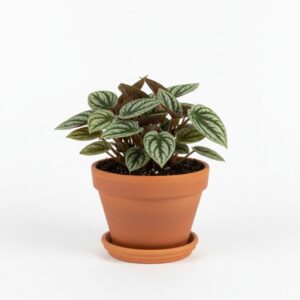
Aluminum Plant (Pilea cadierei) is a delightful addition to any indoor garden, captivating plant enthusiasts with its uniquely patterned foliage. The prominent silver markings that resemble splashes of aluminum paint against its dark green leaves create a striking visual appeal. Its compact size makes it perfect for small spaces, shelves, or terrariums.
The Aluminum Plant is relatively easy to care for, making it an excellent choice for beginners. Its fast growth rate allows you to witness its progress quickly, adding to the satisfaction of plant ownership. The plant's ability to thrive in moderate light conditions broadens its placement options within your home. Plus, its air-purifying qualities contribute to a healthier indoor environment. Its whimsical beauty and easy-going nature make it a plant lover's dream!
The Story
The Aluminum Plant, scientifically known as Pilea cadierei, originates from Southeast Asia, specifically Vietnam and China. In its natural habitat, it thrives in the humid understory of tropical forests, where it receives dappled sunlight and consistent moisture. The plant was introduced to the Western world as an ornamental houseplant, quickly gaining popularity for its distinctive foliage.
While not deeply rooted in cultural folklore, the Aluminum Plant's aesthetic appeal has made it a favorite in interior design. Its bright, cheerful appearance is often used to bring a touch of the tropics indoors, adding a vibrant contrast to modern living spaces. Its easy propagation and relatively fast growth have also contributed to its widespread cultivation and appreciation among plant enthusiasts globally. It is a staple in many collections.
Complete Care Guide
Aluminum Plants thrive in bright, indirect light; direct sunlight can scorch their leaves. Water thoroughly when the top inch of soil feels dry to the touch, ensuring good drainage to prevent root rot. Maintain a humidity level of 50-60% by misting regularly, using a humidifier, or placing the plant on a pebble tray filled with water. The ideal temperature range is between 65-75°F (18-24°C).
Fertilize every 2-4 weeks during the growing season (spring and summer) with a balanced liquid fertilizer diluted to half strength. Repot in spring if the plant becomes root-bound. Prune occasionally to maintain shape and encourage bushier growth. Watch out for common pests like spider mites and mealybugs, treating promptly with insecticidal soap or neem oil. Avoid overwatering, which can lead to root rot.
Light Requirements
Aluminum Plants prefer bright, indirect light. Direct sunlight can cause leaf scorching, leading to unsightly brown spots and stunted growth. An east-facing window is often ideal, providing gentle morning sun without the harsh intensity of midday or afternoon rays. North-facing windows can also work, but the plant may need supplemental lighting, especially during the darker winter months.
If you notice the silver markings fading or the plant becoming leggy (stretched out with sparse foliage), it likely needs more light. Move it to a brighter location or supplement with a grow light. Conversely, if the leaves appear bleached or burned, move the plant to a shadier spot. Observe your plant carefully and adjust its placement as needed to ensure optimal light exposure.
Seasonal Care
Spring
In spring, repot Aluminum Plants if root-bound. Increase watering and begin fertilizing every 2-4 weeks. Prune to encourage bushier growth.
Summer
During summer, maintain consistent moisture and humidity. Protect from direct sunlight. Continue fertilizing regularly.
Fall
In fall, reduce watering frequency as growth slows. Discontinue fertilizing. Monitor for pests that may be seeking shelter indoors.
Winter
In winter, provide adequate light and humidity. Avoid overwatering. Maintain a consistent temperature.
The Life of Your Aluminum Plant
Seedling / Juvenile
Young Aluminum Plants require consistent moisture and high humidity. Keep the soil consistently moist but not soggy. Provide bright, indirect light to encourage healthy growth.
Adolescent
As the Aluminum Plant matures, continue providing bright, indirect light and consistent moisture. Begin fertilizing every 2-4 weeks during the growing season.
Mature
Mature Aluminum Plants benefit from regular pruning to maintain their shape and encourage bushier growth. Repot as needed to provide fresh soil and adequate space for the roots.
Established
Established Aluminum Plants are relatively low-maintenance. Continue to provide consistent care, including regular watering, fertilization, and pruning as needed.
Propagation Guide
Aluminum Plants are easily propagated through stem cuttings, division, or air layering. For stem cuttings, take a 4-6 inch cutting from a healthy stem, removing the lower leaves. Place the cutting in water or directly into moist potting mix. Roots should develop within a few weeks.
For division, gently separate the plant at the roots during repotting, ensuring each division has its own root system. Plant each division in its own pot. Air layering involves wounding a stem, wrapping it in moist sphagnum moss, and covering it with plastic wrap until roots form, then cutting the stem below the roots and potting it. All methods are relatively simple and result in new plants quickly.
Expert Knowledge
To maximize the vibrancy of the silver markings on your Aluminum Plant, provide consistent care and avoid sudden changes in environment. While Aluminum Plants tolerate pruning well, avoid removing more than one-third of the plant at a time. Rotate the plant regularly to promote even growth and prevent it from becoming leggy. Consider using rainwater or distilled water to avoid mineral buildup in the soil. These plants are known to be sensitive to hard water.
Troubleshooting
Yellow leaves
Yellow leaves can indicate overwatering, underwatering, or nutrient deficiency. Adjust watering accordingly and fertilize during the growing season.
Brown leaf edges
Brown edges often result from low humidity or inconsistent watering. Increase humidity and ensure consistent soil moisture.
Drooping leaves
Drooping can be a sign of underwatering or root rot. Check the soil moisture and root health, adjusting watering as needed.
Root rot
Root rot is caused by overwatering and poor drainage. Repot in fresh, well-draining soil and reduce watering frequency.
Pests
Leggy growth indicates insufficient light. Move the plant to a brighter location or supplement with a grow light.
Frequently Asked Questions
What are the ideal light conditions?
Aluminum Plants thrive in bright, indirect light. Avoid direct sunlight, which can scorch their leaves.
How often should I water?
Water Aluminum Plants when the top inch of soil feels dry. Ensure good drainage to prevent root rot.
When should I repot?
Repot Aluminum Plants every 1-2 years in spring, when they become root-bound.
Is it toxic to pets?
Aluminum Plants are considered non-toxic to pets and children, making them a safe choice for households.
How big will it grow?
Indoors, Aluminum Plants typically grow to be 6-12 inches tall and wide, remaining relatively compact.
Can I propagate at home?
Yes, Aluminum Plants are easily propagated through stem cuttings, division, or air layering at home.