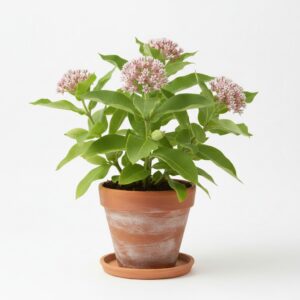
Why You'll Love It
The Lombardy Poplar, with its striking columnar shape and fast growth, adds a dramatic vertical element to indoor spaces. Its slender silhouette allows it to fit into tight corners, making it perfect for urban dwellers seeking a touch of nature without sacrificing precious square footage. Gardeners are drawn to its rapid growth and the sense of accomplishment it provides, watching it quickly ascend to become a statement piece. The vibrant green foliage offers a refreshing pop of color, brightening up any room and creating a calming atmosphere. It brings the beauty of the outdoors inside, offering a connection to nature that is both visually stunning and mentally soothing. The Lombardy Poplar is a unique indoor tree, making it a conversation starter.
The Story
The Lombardy Poplar (Populus nigra 'Italica') originated in the Lombardy region of Italy, hence its name. It is a cultivar of the black poplar, distinguished by its upright, fastigiate growth habit. Its history traces back to the 18th century, where it quickly gained popularity as an ornamental tree and windbreak. While naturally found in riparian zones of Europe and Western Asia, its adaptability has made it a cultivated species worldwide. Culturally, the Lombardy Poplar has been used in landscape design to create dramatic vertical accents and to frame views. Its presence in art and literature often symbolizes strength, resilience, and the connection between the earth and sky.
Complete Care Guide
Lombardy Poplars as indoor trees require specific care to thrive. Choose a large pot with drainage holes. Use well-draining potting mix. Water thoroughly when the top inch of soil is dry, ensuring excess water drains away. Provide bright, indirect light; direct sunlight can scorch the leaves. Maintain moderate humidity levels, using a humidifier if needed. Fertilize monthly during the growing season (spring/summer) with a balanced liquid fertilizer diluted to half strength. Prune regularly to maintain shape and remove any dead or damaged branches. Monitor for pests and diseases, addressing them promptly. Repot every 2-3 years as needed. Provide stable conditions and avoid sudden changes in temperature or humidity. Ensure adequate air circulation to prevent fungal issues.
Light Requirements
Lombardy Poplars thrive in bright, indirect light when grown indoors. A location near an east- or west-facing window is ideal, providing ample light without the harsh intensity of direct sun. Insufficient light can lead to leggy growth and reduced foliage density. If natural light is limited, supplement with artificial grow lights. Rotate the plant regularly to ensure even light exposure on all sides, preventing it from leaning towards the light source. Avoid placing the tree in dimly lit corners, as this will significantly hinder its growth and health.
Seasonal Care
Spring
In spring, increase watering frequency as the plant begins to actively grow. Fertilize monthly with a balanced fertilizer. Prune to shape the tree and remove any dead or damaged branches. Repot if necessary.
Summer
During summer, maintain consistent watering and fertilization. Provide adequate ventilation to prevent fungal diseases. Monitor for pests and diseases, addressing them promptly. Protect from excessive heat and direct sunlight.
Fall
In fall, reduce watering frequency as the plant's growth slows down. Discontinue fertilization. Remove any fallen leaves from the soil surface. Prepare the plant for winter dormancy.
Winter
During winter, water sparingly. Provide adequate light. Avoid fertilizing. Maintain moderate humidity levels. Protect from drafts and cold temperatures.
The Life of Your Lombardy Poplar
Seedling / Juvenile
Seedling Lombardy Poplars are very delicate. Keep the soil consistently moist but not soggy. Provide bright, indirect light. Protect from drafts and sudden temperature changes. Fertilize sparingly with a diluted liquid fertilizer.
Adolescent
During the adolescent phase, the Lombardy Poplar experiences rapid growth. Increase watering frequency as needed. Monitor for pests and diseases. Begin light pruning to shape the tree. Repot into a larger container as the roots fill the current one.
Mature
Mature Lombardy Poplars require consistent care to maintain their health and appearance. Continue regular watering and fertilization. Prune to maintain shape and remove any dead or damaged branches. Monitor for signs of stress or disease.
Established
Established Lombardy Poplars are relatively low-maintenance. Continue regular watering and fertilization. Prune as needed to maintain shape and size. Check the soil regularly for nutrient deficiencies. Provide support if the tree becomes top-heavy.
Propagation Guide
Lombardy Poplars can be propagated through stem cuttings or air layering. For stem cuttings, take a 6-8 inch cutting from a healthy stem. Remove the lower leaves and dip the cut end in rooting hormone. Plant the cutting in moist potting mix. Cover with a plastic bag to maintain humidity and place in a warm, bright location. For air layering, make a shallow cut on a healthy stem. Wrap the cut area with moist sphagnum moss and cover with plastic wrap. Secure the plastic wrap with tape. After several weeks, roots will form in the moss. Cut the stem below the roots and plant in a pot.
Expert Knowledge
Lombardy Poplars are susceptible to various diseases, including cankers and leaf spot. Regularly inspect the plant for signs of disease. Proper pruning techniques are essential to maintain the tree's shape and health. Avoid overwatering, as this can lead to root rot. Provide adequate support for young trees to prevent them from becoming top-heavy. Consider using a humidifier to increase humidity levels, especially during dry winter months. Lombardy Poplars can be used as living screens or hedges when planted closely together.
Troubleshooting
Yellow leaves
Yellow leaves can indicate overwatering, underwatering, or nutrient deficiencies. Check the soil moisture and adjust watering accordingly. Fertilize with a balanced fertilizer to address nutrient deficiencies. Ensure proper drainage.
Brown leaf edges
Brown leaf edges are often caused by low humidity or salt buildup in the soil. Increase humidity with a humidifier or pebble tray. Flush the soil with water to remove excess salts. Avoid using tap water, which can contain high levels of minerals.
Drooping leaves
Drooping leaves can be a sign of underwatering, overwatering, or root rot. Check the soil moisture and adjust watering accordingly. Ensure the pot has adequate drainage. If root rot is suspected, repot with fresh soil.
Root rot
Root rot is caused by overwatering and poor drainage. Repot the plant with fresh, well-draining soil. Remove any affected, mushy roots. Reduce watering frequency and ensure the pot has adequate drainage holes.
Pests
Common pests include spider mites, aphids, and mealybugs. Treat infestations with insecticidal soap or neem oil. Isolate the affected plant to prevent the pests from spreading to other plants. Regularly inspect the plant for signs of pests.
Frequently Asked Questions
What are the ideal light conditions?
Lombardy Poplars need bright, indirect light. An east- or west-facing window is ideal. Supplement with grow lights if needed.
How often should I water?
Water when the top inch of soil is dry. Ensure proper drainage to prevent root rot. Avoid overwatering.
When should I repot?
Repot every 2-3 years, or when the plant becomes root-bound. Use a well-draining potting mix.
Is it toxic to pets?
Lombardy Poplars are generally considered non-toxic to pets and children. However, ingestion may cause mild stomach upset.
How big will it grow?
Indoors, Lombardy Poplars can reach 6-10 feet tall, depending on pot size and growing conditions.
Can I propagate at home?
Yes, Lombardy Poplars can be propagated at home through stem cuttings or air layering.