
New Zealand Flax vs Parrot's Feather Plant Comparison
Compare these two plants side by side — care needs, key differences, and which is right for your home.
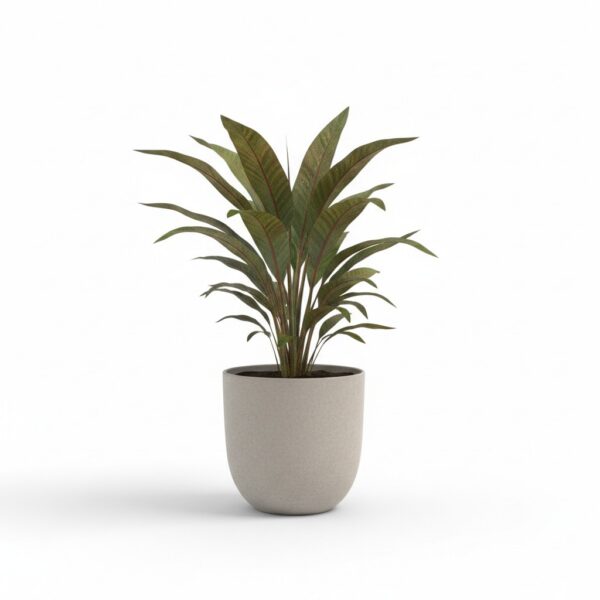
New Zealand Flax
Phormium tenax
Phormium tenax, commonly known as New Zealand Flax, is a large, evergreen perennial plant forming clumps of long, strap-like leaves. It's native to New Zealand and is primarily an outdoor plant, valued for its dramatic architectural form and fiber production. The leaves can grow up to 3 meters long and come in various colors, from green to bronze and variegated forms. While it can be grown indoors, it requires very bright light and significant space, making it challenging for most homes. People grow it for its striking appearance in gardens and landscapes.

Parrot's Feather
Myriophyllum aquaticum
Parrot's Feather is an aquatic perennial plant characterized by its feathery, bright green leaves that emerge both above and below the water surface. Submerged leaves are typically reddish. It spreads rapidly through rhizomes, forming dense mats. While sometimes grown in aquariums or water gardens for its ornamental value and ability to oxygenate water, it's primarily an outdoor plant. It is considered an invasive species in many regions due to its aggressive growth and ability to outcompete native vegetation. Its emergent stems can reach up to a foot above the water.
Quick Plant Comparison
| Feature | New Zealand Flax | Parrot's Feather |
|---|---|---|
| Light | Full sun to partial shade outdoors. Indoors, requires extremely bright, direct sunlight for several hours daily. | Full sun to partial shade |
| Watering | Every 1-2 weeks, depending on light and temperature. Less frequent in winter. | Daily to keep soil saturated |
| Humidity | 30-50% | 60-90% |
| Temperature | 10-27°C | 15-27°C |
| Care Level | Expert | Expert |
| Growth Rate | Moderate | Fast |
| Max Height | 1-2 meters indoors (much larger outdoors) | Up to 30 cm (12 inches) above water surface |
| Pet Safety | ❌ Toxic To Pets | ❌ Toxic To Pets |
| Soil | Well-draining soil is crucial. A mix of potting soil, sand, and perlite is suitable. | Heavy clay or loam soil that retains moisture well. Can also be grown directly in water. |
| Beginner Friendly | ❌ No | ❌ No |
| Weekly Maintenance | 30 minutes weekly | 30 minutes weekly to control spread and remove debris. |
🔬 Botanical Information — Comparing These Plants
New Zealand Flax
| Scientific Name | Phormium tenax |
|---|---|
| Family | Asphodelaceae |
| Native To | New Zealand |
| Also Known As | New Zealand Flax, Harakeke |
| Leaves | Long, strap-like leaves that can grow up to 3 meters long. The leaves are stiff and leathery, with a smooth texture. Colors range from green to bronze, red, and variegated forms. |
| Flowers | Rarely flowers indoors. Outdoors, it produces tall flower stalks with reddish-brown flowers in summer. |
Parrot's Feather
| Scientific Name | Myriophyllum aquaticum |
|---|---|
| Family | Haloragaceae |
| Native To | South America |
| Also Known As | Parrotfeather, Parrot's-feather, Brazilian watermilfoil |
| Leaves | Submerged leaves are finely divided and reddish-green. Emergent leaves are bright green, lance-shaped, and arranged in whorls around the stem, resembling feathers. Leaves are typically 2-5 cm long. |
| Flowers | Rarely flowers, especially in cultivation. Flowers are small, inconspicuous, and white, appearing in the leaf axils. |
📏 Size & Growth — Plant Comparison
New Zealand Flax
Parrot's Feather
🌱 Propagation — Comparing Plant Growth
New Zealand Flax
Methods: Division, Seed
Difficulty: Moderate
Tips: Division is best done in spring. Carefully separate the rhizomes and plant them in well-draining soil. Seeds can be sown in spring after soaking them in water for 24 hours.
Parrot's Feather
Methods: Stem cuttings, division of rhizomes
Difficulty: Easy
Tips: Take stem cuttings with at least 2-3 nodes. Place cuttings in water or directly into moist soil. Rhizome divisions can be planted directly into the desired location.
✨ Benefits & Features — Comparing Plant Value
New Zealand Flax
New Zealand Flax is known for its long, strap-like leaves and dramatic architectural form. It is a versatile plant that can be used in a variety of landscaping applications. The plant's fibers were traditionally used by the Maori people for weaving.
- ✓ Adds a dramatic architectural element to indoor or outdoor spaces.
- ✓ Provides a bold statement with its striking foliage.
- ✓ Offers a connection to New Zealand's natural heritage.
- ✓ Can be used as a privacy screen outdoors.
- ✓ Relatively low-maintenance once established (outdoors).
- ⚠️ Toxic to pets
Parrot's Feather
Parrot's Feather is unique due to its ability to grow both submerged and emergent, with distinct leaf forms in each environment. Its feathery foliage and rapid growth make it a visually striking but potentially problematic addition to aquatic ecosystems.
- ✓ Oxygenates water, improving water quality.
- ✓ Provides habitat for small aquatic animals.
- ✓ Adds a unique texture and visual appeal to water gardens.
- ✓ Can help to reduce algae growth by competing for nutrients.
- ✓ Offers a natural, calming aesthetic.
- ⚠️ Toxic to pets
📅 Maintenance Schedule — Plant Care Comparison
New Zealand Flax
Parrot's Feather
🌞 Light Requirements
New Zealand Flax
Full sun to partial shade outdoors. Indoors, requires extremely bright, direct sunlight for several hours daily.
Low light tolerant: ❌ No
Parrot's Feather
Full sun to partial shade
Low light tolerant: ❌ No
💧 Watering Needs
New Zealand Flax
Water thoroughly when the top inch of soil is dry. Overwatering can lead to root rot, especially indoors. Allow the soil to dry slightly between waterings. Signs of underwatering include drooping leaves; overwatering includes yellowing leaves and a soggy soil.
Parrot's Feather
Requires consistently moist to wet conditions. If grown in a container, ensure the soil is always saturated. For outdoor ponds or water gardens, it naturally thrives in water. Overwatering is not a concern, but allowing the soil to dry out will cause the plant to suffer. Signs of underwatering include wilting and browning of leaves.
🌡️ Temperature & Humidity
New Zealand Flax
Temperature: 10-27°C
Humidity: 30-50%
Parrot's Feather
Temperature: 15-27°C
Humidity: 60-90%
🤔 Which Plant Is Right For You?
New Zealand Flax
Phormium tenaxExperienced plant enthusiasts with very bright indoor spaces or those looking for a striking outdoor plant.
✅ Choose This Plant If...
- You have a very bright, sunny indoor space and want a statement plant.
- You live in a mild climate and want a striking evergreen for your garden.
- You appreciate plants with architectural form and interesting foliage.
- You are interested in the traditional uses of plants and their cultural significance.
- You are an experienced plant owner looking for a challenging indoor plant project.
❌ Skip This Plant If...
- You have limited indoor space.
- You have pets that might ingest the plant.
- You struggle to provide bright, direct sunlight.
- You are a beginner plant owner.
- You tend to overwater your plants.
Parrot's Feather
Myriophyllum aquaticumThose with outdoor ponds, water gardens, or large aquariums who are aware of its invasive potential.
✅ Choose This Plant If...
- You have a pond or water garden and want an oxygenating plant.
- You are looking for a plant that can provide habitat for aquatic life.
- You understand its invasive potential and are prepared to manage its growth.
- You have a very bright, sunny location to provide adequate light.
- You enjoy the unique feathery texture of its foliage.
❌ Skip This Plant If...
- You are looking for an easy-to-care-for indoor plant.
- You do not have a pond or water garden.
- You are concerned about invasive species.
- You have pets that might ingest the plant.
- You cannot provide consistently wet conditions.
🎯 Quick Verdict
⚡ Key Differences Between These Plants
New Zealand Flax has moderate growth, while Parrot's Feather grows fast.
💡 Pro Tips For Comparing These Plants
New Zealand Flax Care Tips
New Zealand Flax is primarily an outdoor plant and requires expert care to thrive indoors. It needs very bright light, well-draining soil, and careful watering to avoid root rot. Due to its size and light requirements, it's not well-suited for most indoor environments.
- Provide at least 6 hours of direct sunlight daily indoors.
- Ensure excellent drainage to prevent root rot.
- Water deeply but infrequently, allowing the soil to dry slightly between waterings.
- Fertilize regularly during the growing season.
- Monitor for pests and diseases and treat promptly.
Parrot's Feather Care Tips
Parrot's Feather is primarily an outdoor aquatic plant and requires very specific conditions to thrive indoors. It needs intense light, constant moisture, and high humidity. It is an aggressive spreader, so containment is crucial. Indoor growth is challenging and often unsuccessful.
- Provide ample sunlight to prevent leggy growth.
- Regularly prune to control its spread and maintain shape.
- Monitor water quality and adjust as needed.
- Fertilize during the growing season to promote healthy growth.
- Consider using a floating barrier to contain its spread in larger ponds.
⚠️ Common Problems & Solutions — Plant Care Comparison
New Zealand Flax
Parrot's Feather
❓ Frequently Asked Questions — Comparing These Plants
New Zealand Flax
What are the light requirements for New Zealand Flax?
New Zealand Flax prefers bright, indirect light. Placing it near an east-facing window is ideal, as it receives gentle morning sun. A south-facing window can also work, but be sure to filter the light with a sheer curtain to prevent leaf burn. Insufficient light can lead to leggy growth and faded leaf colors. Rotate the plant regularly to ensure even light exposure on all sides. If natural light is limited, supplement with grow lights to maintain healthy growth. Consider the intensity and duration of light, aiming for at least 6 hours of bright, indirect light per day. Consistent light exposure is crucial for vibrant foliage.
How do I care for New Zealand Flax?
New Zealand Flax thrives with bright, indirect light; avoid direct sunlight to prevent scorching. Water thoroughly when the top inch of soil feels dry, ensuring good drainage to prevent root rot. Maintain moderate humidity levels. Ideal temperatures range from 60-80°F (15-27°C). Fertilize during the growing season (spring and summer) with a balanced liquid fertilizer diluted to half strength every 4-6 weeks. Repot every 2-3 years or when the plant becomes root-bound, using a well-draining potting mix. Prune dead or damaged leaves regularly to maintain appearance and promote healthy growth. Provide adequate ventilation to prevent fungal diseases. Monitor for pests such as spider mites and treat promptly. Stable conditions are key to success.
How do I propagate New Zealand Flax?
New Zealand Flax can be propagated through stem cuttings or division. For stem cuttings, take a healthy cutting from a mature plant, ensuring it has at least one node. Remove the lower leaves and place the cutting in water or directly into a well-draining potting mix. Keep the cutting moist and in a warm, bright location until roots develop. For division, carefully separate the root ball of a mature plant into smaller sections, ensuring each section has healthy roots and foliage. Plant each section in its own pot with well-draining potting mix. Water thoroughly and keep in a warm, bright location. Propagation is best done in spring or summer. Use rooting hormone to improve success rates.
Parrot's Feather
What are the light requirements for Parrot's Feather?
Parrot’s Feather requires ample light to flourish. Ideally, it should receive at least 6 hours of direct sunlight per day, or bright indirect light. Insufficient light can lead to leggy growth and reduced vibrant color. When growing in aquariums, use full-spectrum LED lighting specifically designed for aquatic plants. Position the plant where it receives the most light, but be mindful of potential algae growth caused by excessive light. Adjust light intensity and duration based on the plant’s response. For outdoor ponds, ensure the plant is not overly shaded.
How do I care for Parrot's Feather?
Parrot’s Feather thrives in full sun to partial shade. Ensure at least 6 hours of sunlight daily for optimal growth. Maintain water temperatures between 60-80°F (15-27°C). Water should be clean and well-oxygenated. Regularly prune to control growth and prevent overcrowding. Fertilize with a liquid aquatic plant fertilizer every 2-4 weeks during the growing season (spring and summer). Monitor for pests like aphids and snails. If growing in a container, use a nutrient-rich aquatic soil. For submerged growth, provide sufficient light and carbon dioxide. Change the water regularly to prevent algae buildup. Good water circulation is crucial.
How do I propagate Parrot's Feather?
Parrot’s Feather is easily propagated through cuttings. Simply cut a healthy stem section, about 4-6 inches long, and remove the lower leaves. You can propagate in water or directly in moist substrate.
Last updated: May 16, 2026 — Plant care data reviewed and verified by our editorial team.