
Why You'll Love It
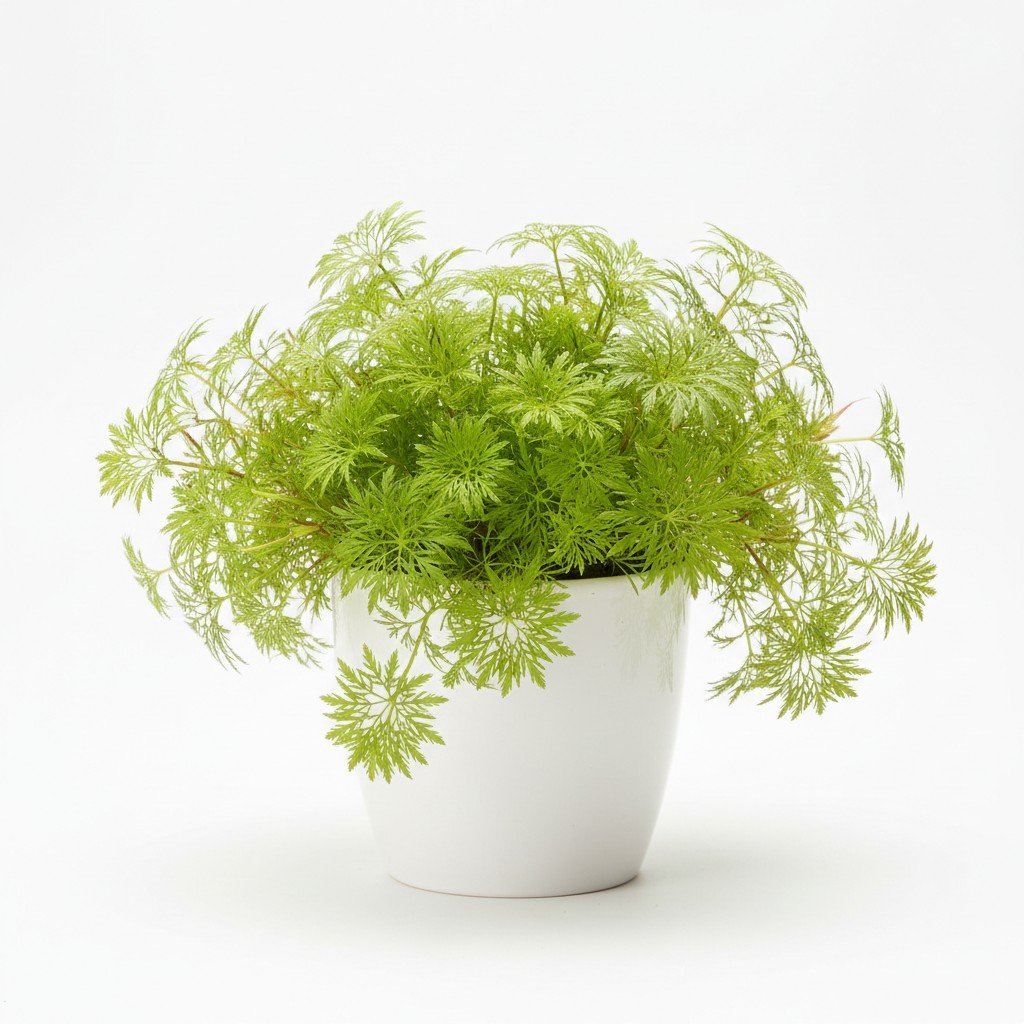
Parrot's Feather is a captivating aquatic plant that adds a unique, feathery texture to ponds, aquariums, and even water gardens. Its vibrant green foliage, reminiscent of miniature pine trees, creates a visually appealing contrast against the water's surface. Plant lovers adore Parrot's Feather for its rapid growth and ease of propagation, making it a rewarding plant to cultivate. It provides shelter and spawning sites for aquatic life, contributing to a healthy ecosystem. Its ability to oxygenate water and absorb excess nutrients further enhances its appeal, making it a valuable addition to any aquatic environment. Plus, it's just fun to watch it grow!
The Story
Parrot's Feather, scientifically known as Myriophyllum aquaticum, originates from South America, specifically the Amazon basin. It has since naturalized in many regions around the world, sometimes becoming an invasive species. Historically, it was likely spread through the aquarium trade and by accidental introduction. While not deeply ingrained in folklore, its rapid growth and dense foliage have led to its use in some cultures for erosion control and water purification. Its presence in various ecosystems highlights its adaptability and its impact on aquatic environments, both positive and negative depending on its location. Its adaptability has made it a popular choice for hobbyists.
Complete Care Guide
Parrot's Feather thrives in full sun to partial shade. Ensure at least 6 hours of sunlight daily for optimal growth. Maintain water temperatures between 60-80°F (15-27°C). Water should be clean and well-oxygenated. Regularly prune to control growth and prevent overcrowding. Fertilize with a liquid aquatic plant fertilizer every 2-4 weeks during the growing season (spring and summer). Monitor for pests like aphids and snails. If growing in a container, use a nutrient-rich aquatic soil. For submerged growth, provide sufficient light and carbon dioxide. Change the water regularly to prevent algae buildup. Good water circulation is crucial.
Light Requirements
Parrot's Feather requires ample light to flourish. Ideally, it should receive at least 6 hours of direct sunlight per day, or bright indirect light. Insufficient light can lead to leggy growth and reduced vibrant color. When growing in aquariums, use full-spectrum LED lighting specifically designed for aquatic plants. Position the plant where it receives the most light, but be mindful of potential algae growth caused by excessive light. Adjust light intensity and duration based on the plant's response. For outdoor ponds, ensure the plant is not overly shaded.
Seasonal Care
Spring
In spring, increase fertilization as the plant resumes active growth. Prune any dead or damaged stems. Monitor for pests as temperatures rise. Ensure adequate sunlight as days lengthen.
Summer
Summer is the peak growing season for Parrot's Feather. Provide ample light and nutrients. Regularly prune to control growth and maintain shape. Monitor water temperature and ensure good circulation.
Fall
As temperatures cool in the fall, growth will slow down. Reduce fertilization. Remove any dead or decaying foliage. Prepare the plant for winter dormancy, if applicable.
Winter
In colder climates, Parrot's Feather may die back or enter a dormant state. If grown indoors, maintain consistent light and temperature. Reduce watering and fertilization. Protect outdoor plants from freezing temperatures.
The Life of Your Parrot’s Feather
Seedling / Juvenile
Parrot’s Feather is rarely grown from seed in cultivation. Focus on providing ideal light and water conditions. Ensure the water is clean and free of pollutants. Gentle water movement is beneficial.
Adolescent
During this stage, the plant exhibits rapid growth. Regularly monitor water quality and adjust nutrient levels as needed. Prune aggressively to shape the plant and encourage branching. Ensure adequate light exposure.
Mature
Mature Parrot's Feather requires consistent maintenance. Continue pruning to maintain shape and prevent overcrowding. Monitor for nutrient deficiencies and adjust fertilization accordingly. Check for pests and address them promptly.
Established
Established Parrot's Feather can become quite dense and may require periodic thinning. Divide the plant if it becomes too large for its container or pond. Continue to monitor water quality and light exposure.
Propagation Guide
Parrot's Feather is easily propagated through cuttings. Simply cut a healthy stem section, about 4-6 inches long, and remove the lower leaves. You can propagate in water or directly in moist substrate.
Cuttings in Water: Place the cutting in a container of clean water, ensuring the nodes (where leaves were removed) are submerged. Roots will typically develop within a week or two. Once roots are established, transplant the cutting into its permanent location.
Division: Carefully separate established clumps of Parrot's Feather, ensuring each division has roots and stems. Replant the divisions in their new locations.
Expert Knowledge
Parrot's Feather is an excellent oxygenator and nutrient absorber, making it a valuable addition to ponds and aquariums. However, its rapid growth can lead to it becoming invasive in some regions. Regular pruning and responsible disposal of plant material are crucial to prevent its spread. It thrives in slightly acidic water and benefits from supplemental carbon dioxide in aquariums. Monitor water parameters regularly and adjust as needed to maintain optimal growth. Understanding its growth habits is key to successful cultivation.
Troubleshooting
Yellow leaves
Yellow leaves often indicate nutrient deficiencies, particularly iron or nitrogen. Use a balanced aquatic plant fertilizer. Algae growth can also contribute to yellowing by blocking light.
Brown leaf edges
Brown edges can be caused by poor water quality, nutrient imbalances, or excessive light. Ensure proper water circulation and filtration. Adjust fertilizer levels and light exposure as needed.
Drooping leaves
Drooping can be a sign of insufficient light or poor water quality. Ensure the plant receives adequate light and the water is clean and well-oxygenated. Check water parameters like pH and ammonia levels.
Root rot
Root rot is rare in aquatic plants like Parrot's Feather. However, if the base of the plant appears mushy or blackened, it could be due to poor water circulation or anaerobic conditions. Improve water flow and remove any affected portions.
Pests
Parrot’s Feather is generally pest-resistant, but aphids or snails may occasionally appear. Manually remove them or use a safe aquatic pesticide. Regularly inspect the plant for any signs of infestation.
Frequently Asked Questions
What are the ideal light conditions?
Parrot's Feather needs bright, direct or indirect sunlight for at least 6 hours a day. Insufficient light leads to leggy growth.
How often should I water?
Parrot's Feather is an aquatic plant, so it needs to be constantly submerged or in very moist conditions. Water quality is important.
When should I repot?
Repotting is not typically done for Parrot's Feather. However, dividing clumps may be necessary if the plant becomes too dense.
Is it toxic to pets?
Parrot's Feather is not considered toxic to pets or children, making it a safe option for most aquatic environments.
How big will it grow?
Parrot's Feather can grow quite rapidly, reaching lengths of several feet. Regular pruning is necessary to control its size.
Can I propagate at home?
Yes, Parrot's Feather is easily propagated from stem cuttings. Simply place cuttings in water or moist substrate to root.


