
Mother of Pearl Plant vs Sweet Pea Plant Comparison
Compare these two plants side by side — care needs, key differences, and which is right for your home.
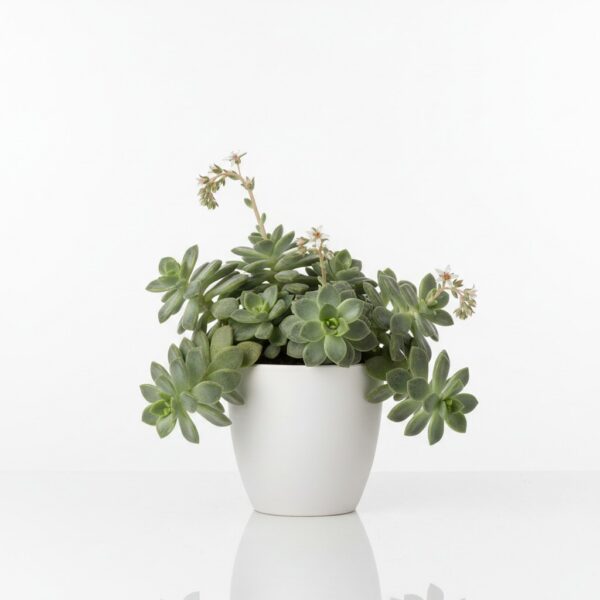
Mother of Pearl Plant
Graptopetalum paraguayense
Graptopetalum paraguayense, commonly known as the Mother of Pearl Plant or Ghost Plant, is a succulent native to Mexico. It features rosettes of fleshy, opalescent leaves that range in color from pale lavender-gray to pinkish-white, depending on light exposure. The plant forms a sprawling habit, with rosettes branching out from stems. It is primarily grown for its attractive foliage and ease of care. While it can be grown indoors, it thrives best with ample sunlight, which can be a challenge in some indoor environments. It's a popular choice for succulent arrangements and rock gardens.

Sweet Pea
Lathyrus odoratus
Sweet peas are annual climbing plants, known for their beautiful, fragrant flowers. They are not naturally indoor plants and are typically grown outdoors in gardens. They feature delicate, papery petals in a wide range of colors, including pink, purple, red, white, and bi-colors. Sweet peas climb using tendrils, reaching heights of 1 to 2 meters. People grow them for their ornamental value, the delightful fragrance of their blooms, and their use as cut flowers.
Quick Plant Comparison
| Feature | Mother of Pearl Plant | Sweet Pea |
|---|---|---|
| Light | Bright, indirect light to full sun. Requires at least 6 hours of direct sunlight daily for optimal growth and coloration. | Full sun (at least 6-8 hours of direct sunlight per day) |
| Watering | Every 2-4 weeks, depending on environmental conditions and pot size. | Every 2-3 days outdoors, depending on weather conditions. Less frequent if grown indoors. |
| Humidity | 20-40% | 40-60% |
| Temperature | 18-24°C | 13-18°C |
| Care Level | Easy | Expert |
| Growth Rate | Moderate | Fast |
| Max Height | 10-20 cm | 1-2 meters (outdoors). Significantly smaller if grown indoors. |
| Pet Safety | ✅ Safe | ❌ Toxic To Pets |
| Soil | Well-draining succulent or cactus mix | Well-draining, fertile soil rich in organic matter. A mix of garden soil, compost, and perlite is suitable. |
| Beginner Friendly | ✅ Yes | ❌ No |
| Weekly Maintenance | 5 minutes weekly | 30 minutes weekly |
🔬 Botanical Information — Comparing These Plants
Mother of Pearl Plant
| Scientific Name | Graptopetalum paraguayense |
|---|---|
| Family | Crassulaceae |
| Native To | Tamaulipas, Mexico |
| Also Known As | Mother of Pearl Plant, Ghost Plant, Sedum weinbergii |
| Leaves | Fleshy, obovate leaves arranged in rosettes. The leaves are typically pale lavender-gray to pinkish-white, with a powdery coating. They are smooth and slightly curved. |
| Flowers | Rarely flowers indoors. When it does, it produces small, white, star-shaped flowers on tall stalks in spring or summer. |
Sweet Pea
| Scientific Name | Lathyrus odoratus |
|---|---|
| Family | Fabaceae |
| Native To | Sicily, Cyprus, Southern Italy, and the Aegean Islands |
| Also Known As | Sweet Pea |
| Leaves | The leaves are ovate to lanceolate, with a bluish-green color. They are arranged alternately along the stem and have prominent veins. The plant also produces tendrils that aid in climbing. |
| Flowers | Sweet peas produce fragrant, papery flowers in a wide range of colors, including pink, purple, red, white, and bi-colors. They bloom profusely outdoors during the summer months. Flowering is rare and limited indoors. |
📏 Size & Growth — Plant Comparison
Mother of Pearl Plant
Sweet Pea
🌱 Propagation — Comparing Plant Growth
Mother of Pearl Plant
Methods: Leaf cuttings, Stem cuttings, Offsets (pups)
Difficulty: Easy
Tips: Allow leaf or stem cuttings to callous over for a few days before planting in well-draining soil. Keep the soil lightly moist until roots develop.
Sweet Pea
Methods: Seed
Difficulty: Easy
Tips: Soak seeds in water for 24 hours before sowing to improve germination. Sow directly into the ground or in pots in early spring.
✨ Benefits & Features — Comparing Plant Value
Mother of Pearl Plant
The Mother of Pearl Plant is known for its unique opalescent leaves that change color depending on the amount of sunlight it receives. Its drought tolerance and ease of propagation make it a popular choice for succulent enthusiasts. The plant's sprawling growth habit also makes it suitable for hanging baskets or ground cover.
- ✓ Easy to care for, suitable for beginners
- ✓ Adds visual interest with its unique color and texture
- ✓ Drought-tolerant and low-maintenance
- ✓ Easy to propagate and share with friends
- ✓ Can improve mood and reduce stress
- 🐾 Pet Safe
Sweet Pea
Sweet peas are known for their intense fragrance and wide range of colors. Their climbing habit and delicate petals make them a popular choice for cottage gardens and cut flower arrangements.
- ✓ Beautiful and fragrant flowers
- ✓ Attracts pollinators to the garden
- ✓ Provides cut flowers for bouquets
- ✓ Adds a touch of romance to the garden
- ✓ Can be grown in a variety of colors
- ⚠️ Toxic to pets
📅 Maintenance Schedule — Plant Care Comparison
Mother of Pearl Plant
Sweet Pea
🌞 Light Requirements
Mother of Pearl Plant
Bright, indirect light to full sun. Requires at least 6 hours of direct sunlight daily for optimal growth and coloration.
Low light tolerant: ❌ No
Sweet Pea
Full sun (at least 6-8 hours of direct sunlight per day)
Low light tolerant: ❌ No
💧 Watering Needs
Mother of Pearl Plant
Water thoroughly when the soil is completely dry. Overwatering can lead to root rot. During the growing season (spring/summer), water more frequently. Reduce watering significantly during the dormant season (fall/winter). Signs of overwatering include soft, mushy leaves; underwatering presents as shriveled, wrinkled leaves.
Sweet Pea
Water deeply when the top inch of soil feels dry. Avoid overwatering, which can lead to root rot. Ensure good drainage. Underwatering will cause wilting and reduced flowering.
🌡️ Temperature & Humidity
Mother of Pearl Plant
Temperature: 18-24°C
Humidity: 20-40%
Sweet Pea
Temperature: 13-18°C
Humidity: 40-60%
🤔 Which Plant Is Right For You?
Mother of Pearl Plant
Graptopetalum paraguayenseBeginners looking for a low-maintenance succulent with attractive foliage.
✅ Choose This Plant If...
- You want a low-maintenance plant that requires minimal watering.
- You want a succulent that changes color with different light exposure.
- You are a beginner gardener looking for an easy-to-grow plant.
- You want a plant that is easy to propagate.
- You want a drought-tolerant plant that can withstand neglect.
❌ Skip This Plant If...
- You cannot provide sufficient sunlight, as it will etiolate and lose its color.
- You tend to overwater plants.
- You live in a very humid environment, which can increase the risk of rot.
Sweet Pea
Lathyrus odoratusExperienced gardeners who want to grow fragrant flowers outdoors.
✅ Choose This Plant If...
- You love fragrant flowers and have a sunny outdoor garden.
- You enjoy growing cut flowers for bouquets.
- You want to attract pollinators to your garden.
- You are an experienced gardener looking for a rewarding challenge.
- You appreciate the wide variety of colors and forms available in sweet pea cultivars.
❌ Skip This Plant If...
- You have pets that might ingest the plant.
- You lack a sunny outdoor space.
- You are a beginner gardener looking for an easy-to-grow plant.
🎯 Quick Verdict
⚡ Key Differences Between These Plants
Mother of Pearl Plant is rated Easy care level, while Sweet Pea is Expert.
Mother of Pearl Plant has moderate growth, while Sweet Pea grows fast.
💡 Pro Tips For Comparing These Plants
Mother of Pearl Plant Care Tips
Graptopetalum paraguayense is a low-maintenance succulent that thrives in bright light and well-draining soil. Overwatering is the biggest threat. While it can tolerate indoor conditions, it will exhibit its best color and growth with ample sunlight. It's relatively pest and disease-free.
- Provide at least 6 hours of direct sunlight daily for optimal color.
- Allow the soil to dry out completely between waterings to prevent root rot.
- Use a well-draining succulent mix to ensure proper drainage.
- Fertilize sparingly, only during the growing season.
- Protect from frost and extreme temperatures.
Sweet Pea Care Tips
Sweet peas are challenging to grow indoors due to their high light requirements and need for cool temperatures. They require consistent watering, fertilization, and support for climbing. Without ideal conditions, flowering will be limited.
- Soak seeds overnight before planting to improve germination.
- Provide a sturdy trellis or support for climbing.
- Deadhead spent flowers regularly to encourage more blooms.
- Fertilize every 2-3 weeks during the growing season.
- Protect from strong winds.
⚠️ Common Problems & Solutions — Plant Care Comparison
Mother of Pearl Plant
Sweet Pea
❓ Frequently Asked Questions — Comparing These Plants
Mother of Pearl Plant
What are the light requirements for Mother of Pearl Plant?
Mother of Pearl Plant requires bright, indirect sunlight to thrive. Insufficient light can cause the plant to etiolate, or stretch towards the light source, resulting in weak growth and a loss of its characteristic color. A south-facing or east-facing window is ideal. If natural light is limited, supplement with a grow light. Rotate the plant regularly to ensure even growth on all sides. Avoid exposing the plant to direct, intense sunlight, especially during the hottest part of the day, as this can scorch the leaves. The plant’s color intensity is directly related to the amount of light it receives; more light will result in more vibrant pinks and purples.
How do I care for Mother of Pearl Plant?
Mother of Pearl Plant is a relatively easy-to-care-for succulent that thrives in bright, indirect sunlight and well-draining soil. Water thoroughly only when the soil is completely dry, typically every 2-4 weeks, depending on the climate and pot size. Overwatering is a common problem, so ensure the pot has drainage holes. Use a well-draining succulent or cactus mix. Fertilize sparingly, only during the growing season (spring and summer), with a diluted succulent fertilizer. The ideal temperature range is between 65°F and 80°F (18°C and 27°C). Protect from frost. Repot every 1-2 years, or when the plant becomes root-bound. Prune any dead or damaged leaves. Provide adequate air circulation to prevent fungal diseases. Monitor for pests such as mealybugs or aphids and treat promptly.
How do I propagate Mother of Pearl Plant?
Mother of Pearl Plant is easily propagated through leaf cuttings, offsets, or stem cuttings. For leaf cuttings, gently twist off a healthy leaf and allow it to callous over for a few days. Place the calloused end on top of well-draining soil and mist lightly. Roots and new plantlets will emerge in a few weeks. Offsets can be carefully separated from the mother plant and planted in their own pots. For stem cuttings, cut a stem section and allow it to callous over before planting in well-draining soil. Keep the soil lightly moist until roots develop. Provide bright, indirect light during propagation.
Sweet Pea
What are the light requirements for Sweet Pea?
Sweet Peas require at least 6-8 hours of direct sunlight per day to thrive and produce abundant blooms. A south-facing location is ideal, especially in cooler climates. If growing indoors, place your Sweet Peas near a sunny window or use grow lights to supplement natural light. Insufficient light can lead to leggy growth, fewer flowers, and pale foliage. Rotate the plants regularly to ensure even light exposure. In hot climates, provide some afternoon shade to prevent scorching. Monitor the leaves for signs of sunburn, such as brown spots, and adjust the plant’s position accordingly. Good air circulation is also important to prevent fungal diseases that can be exacerbated by inadequate light.
How do I care for Sweet Pea?
Sweet Peas thrive in full sun and well-drained soil. Sow seeds directly into the ground in early spring or late fall, depending on your climate. Soaking the seeds overnight can improve germination. Provide a sturdy support system, such as a trellis or netting, for the vines to climb. Water regularly, especially during dry periods, and fertilize every 2-3 weeks with a balanced fertilizer to encourage abundant blooming. Deadhead spent flowers to promote continued flowering. Protect plants from pests like aphids and slugs. Ensure good air circulation to prevent fungal diseases. Sweet Peas prefer cooler temperatures, so provide shade during the hottest part of the day in warmer climates. Monitor for signs of powdery mildew and treat promptly. Proper staking and pruning are crucial for healthy growth and prolific blooms.
How do I propagate Sweet Pea?
Sweet Peas are primarily propagated by seed.
Last updated: April 19, 2026 — Plant care data reviewed and verified by our editorial team.