
Meadowsweet vs Oleaster Plant Comparison
Compare these two plants side by side — care needs, key differences, and which is right for your home.
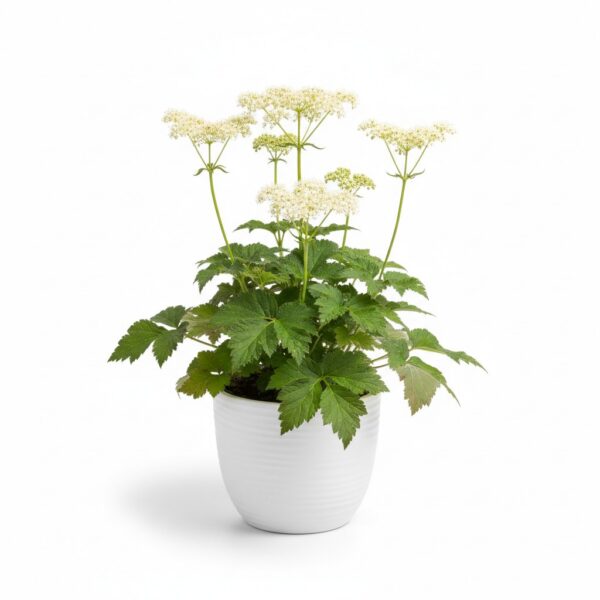
Meadowsweet
Filipendula ulmaria
Meadowsweet is a perennial herbaceous plant typically found in damp meadows and along riverbanks. It grows to a height of 1-2 meters, featuring pinnately compound leaves and clusters of creamy-white, fragrant flowers. The plant is known for its historical use in traditional medicine, particularly for its salicylic acid content, which was the basis for aspirin. It is primarily an outdoor plant, thriving in moist, sunny conditions. People grow it for its attractive flowers, sweet scent, and historical significance.

Oleaster
Elaeagnus pungens
Elaeagnus pungens, commonly known as Thorny Olive or Silverthorn, is a dense, evergreen shrub or small tree. It is characterized by its silvery-green foliage, often speckled with brown. The leaves are leathery and alternate, with a wavy margin. Small, fragrant, creamy-white flowers appear in autumn, followed by reddish-brown, olive-like fruits in spring. It is primarily grown as an ornamental plant for its attractive foliage and tolerance of difficult conditions. It is not typically grown indoors due to its size and high light requirements. It can become invasive in some regions.
Quick Plant Comparison
| Feature | Meadowsweet | Oleaster |
|---|---|---|
| Light | Full sun to partial shade | Full sun to partial shade |
| Watering | Every 2-3 days during hot, dry periods; less frequently in cooler weather (every 5-7 days) | Every 1-2 weeks, depending on weather and soil drainage |
| Humidity | 40-60% | 30-50% |
| Temperature | 15-25°C | 10-27°C |
| Care Level | Expert | Expert |
| Growth Rate | Moderate | Moderate To Fast |
| Max Height | N/A (Outdoor plant) | Not suitable for indoor growing. Outdoors: 3-8 meters |
| Pet Safety | ❌ Toxic To Pets | ❌ Toxic To Pets |
| Soil | Moist, well-draining soil rich in organic matter | Well-draining soil; tolerates a wide range of soil types, including sandy and clay soils |
| Beginner Friendly | ❌ No | ❌ No |
| Weekly Maintenance | 15 minutes weekly | 30 minutes monthly |
🔬 Botanical Information — Comparing These Plants
Meadowsweet
| Scientific Name | Filipendula ulmaria |
|---|---|
| Family | Rosaceae |
| Native To | Europe and Western Asia |
| Also Known As | Meadsweet, Queen of the Meadow, Meadow-sweet, Bridewort |
| Leaves | Pinnately compound leaves, with serrated leaflets. The leaves are dark green and have a slightly rough texture. |
| Flowers | Rarely flowers indoors. Outdoors, it produces clusters of small, creamy-white flowers with a sweet, almond-like fragrance. The flowers bloom in summer. |
Oleaster
| Scientific Name | Elaeagnus pungens |
|---|---|
| Family | Elaeagnaceae |
| Native To | Japan and China |
| Also Known As | Thorny Olive, Silverthorn |
| Leaves | The leaves are alternate, leathery, and oblong to lanceolate in shape. They are silvery-green on the upper surface and silvery-brown beneath, often speckled with brown spots. The margins are wavy. |
| Flowers | It produces small, fragrant, creamy-white flowers in autumn. The flowers are bell-shaped and inconspicuous, but their fragrance is noticeable. |
📏 Size & Growth — Plant Comparison
Meadowsweet
Oleaster
🌱 Propagation — Comparing Plant Growth
Meadowsweet
Methods: Seed, Division, Root cuttings
Difficulty: Moderate
Tips: Divide established clumps in spring or fall. Sow seeds in spring or autumn. Root cuttings should be taken in late autumn or early winter.
Oleaster
Methods: Stem cuttings, Seed
Difficulty: Moderate
Tips: Take semi-hardwood cuttings in late summer or early autumn. Rooting hormone can improve success. Seeds require stratification.
✨ Benefits & Features — Comparing Plant Value
Meadowsweet
Meadowsweet is distinguished by its sweet, almond-like fragrance and its historical use as a medicinal herb. Its flowers are densely packed in clusters, creating a showy display.
- ✓ Attracts pollinators to the garden
- ✓ Adds a sweet fragrance to the air
- ✓ Provides a beautiful display of creamy-white flowers
- ✓ Historically used for medicinal purposes
- ✓ Creates a natural, cottage garden aesthetic
- ⚠️ Toxic to pets
Oleaster
Elaeagnus pungens is unique for its silvery-green foliage and fragrant flowers that bloom in the fall. It is also highly adaptable to various soil types and environmental conditions, making it a robust choice for challenging landscapes.
- ✓ Provides year-round greenery
- ✓ Offers fragrant flowers in the fall
- ✓ Attracts birds and other wildlife
- ✓ Tolerates drought and poor soil
- ✓ Provides a natural screen or hedge
- ⚠️ Toxic to pets
📅 Maintenance Schedule — Plant Care Comparison
Meadowsweet
Oleaster
🌞 Light Requirements
Meadowsweet
Full sun to partial shade
Low light tolerant: ❌ No
Oleaster
Full sun to partial shade
Low light tolerant: ❌ No
💧 Watering Needs
Meadowsweet
Meadowsweet prefers consistently moist soil. Water deeply when the top inch of soil feels dry to the touch. Overwatering can lead to root rot, indicated by yellowing leaves and a musty smell. Underwatering results in wilting and dry, crispy leaves.
Oleaster
Water deeply when the top inch of soil is dry. Avoid overwatering, which can lead to root rot. Established plants are drought-tolerant.
🌡️ Temperature & Humidity
Meadowsweet
Temperature: 15-25°C
Humidity: 40-60%
Oleaster
Temperature: 10-27°C
Humidity: 30-50%
🤔 Which Plant Is Right For You?
Meadowsweet
Filipendula ulmariaGardeners with moist, sunny areas who appreciate fragrant, flowering perennials.
✅ Choose This Plant If...
- You have a consistently moist garden area
- You want to attract pollinators to your garden
- You appreciate fragrant flowers
- You are interested in historical medicinal plants
- You want a tall, flowering perennial for a cottage garden style
❌ Skip This Plant If...
- You have pets that might ingest the plant
- You live in a very dry climate
- You want a low-maintenance plant
Oleaster
Elaeagnus pungensGardeners looking for a low-maintenance, evergreen shrub for hedging or screening in a sunny location.
✅ Choose This Plant If...
- You want a low-maintenance evergreen shrub.
- You need a plant that tolerates poor soil.
- You want fragrant flowers in the fall.
- You need a plant for hedging or screening.
- You want to attract birds to your garden.
❌ Skip This Plant If...
- You have limited space.
- You are looking for an indoor plant.
- You live in an area where it is considered invasive.
🎯 Quick Verdict
⚡ Key Differences Between These Plants
Meadowsweet has moderate growth, while Oleaster grows moderate to fast.
💡 Pro Tips For Comparing These Plants
Meadowsweet Care Tips
Meadowsweet is primarily an outdoor plant and is very challenging to grow indoors. It requires consistently moist soil, full sun, and good air circulation. Indoor cultivation is not recommended due to its specific environmental needs and potential for pest infestations.
- Ensure consistently moist soil, especially during dry periods.
- Provide full sun for best flowering.
- Deadhead spent flowers to encourage more blooms.
- Divide established clumps every few years to prevent overcrowding.
- Monitor for pests and diseases regularly.
Oleaster Care Tips
Elaeagnus pungens is an outdoor shrub or small tree that is not suited for indoor growing due to its size and high light requirements. It needs full sun and well-draining soil. It can become invasive in some areas. Requires regular pruning to maintain shape.
- Plant in well-draining soil in a sunny location.
- Water deeply but infrequently, allowing the soil to dry out between waterings.
- Prune regularly to maintain shape and control size.
- Fertilize in spring with a balanced slow-release fertilizer.
- Monitor for pests and diseases and treat promptly.
⚠️ Common Problems & Solutions — Plant Care Comparison
Meadowsweet
Oleaster
❓ Frequently Asked Questions — Comparing These Plants
Meadowsweet
What are the light requirements for Meadowsweet?
Meadowsweet thrives best in full sun, requiring at least 6 hours of direct sunlight per day. However, it can also tolerate partial shade, especially in hotter climates where afternoon sun can scorch the leaves. Insufficient light can lead to leggy growth and reduced flowering. When planting, choose a location that receives ample sunlight throughout the day. If growing Meadowsweet indoors, place it near a sunny window or supplement with artificial grow lights. Rotate the plant regularly to ensure even exposure to light. Monitor the leaves for signs of sunscald, such as browning or scorching, and adjust the plant’s location accordingly.
How do I care for Meadowsweet?
Meadowsweet thrives in moist, well-drained soil and prefers full sun to partial shade. Water regularly, especially during dry periods, ensuring the soil remains consistently moist but not waterlogged. Fertilize in early spring with a balanced fertilizer to encourage healthy growth and abundant blooms. Deadhead spent flowers to promote continued blooming throughout the summer. Meadowsweet benefits from regular pruning to maintain its shape and prevent it from becoming too leggy. Mulch around the base of the plant to retain moisture and suppress weeds. Monitor for pests and diseases, such as aphids and powdery mildew, and treat promptly if necessary. Divide established clumps every few years to rejuvenate the plant and prevent overcrowding. Provide support if needed, especially for taller varieties.
How do I propagate Meadowsweet?
Meadowsweet can be propagated through division, stem cuttings, and seed.
Oleaster
What are the light requirements for Oleaster?
Oleaster thrives in bright, indirect light. Insufficient light can lead to leggy growth and dull foliage. Ideally, place your Oleaster near an east- or west-facing window where it can receive several hours of filtered sunlight each day. Avoid direct sunlight, which can scorch the leaves. Rotate the plant regularly to ensure even light exposure on all sides. If natural light is limited, supplement with a grow light. Position the grow light 12-18 inches above the plant for 12-14 hours per day. Observe the plant’s foliage: pale or stretched leaves indicate a need for more light.
How do I care for Oleaster?
Oleaster plants thrive indoors with bright, indirect light. Water thoroughly when the top inch of soil feels dry, ensuring proper drainage to prevent root rot. Maintain moderate humidity levels, especially during dry winter months, by misting the foliage or using a humidifier. Fertilize monthly during the growing season (spring and summer) with a balanced liquid fertilizer diluted to half strength. Prune regularly to maintain shape and remove any dead or damaged branches. Repot every 2-3 years into a slightly larger pot with well-draining potting mix. Maintain a stable temperature between 60-75°F (15-24°C). Monitor for pests such as spider mites and treat promptly with insecticidal soap. Ensure good air circulation to prevent fungal diseases.
How do I propagate Oleaster?
Oleaster can be propagated through stem cuttings or air layering. For stem cuttings, take a 4-6 inch cutting from new growth in spring or summer. Remove the lower leaves and dip the cut end in rooting hormone. Plant the cutting in a well-draining potting mix and keep it moist in a humid environment. Roots should develop in 4-6 weeks. For air layering, make a small incision on a stem and wrap it with moist sphagnum moss. Cover the moss with plastic wrap and secure it with tape. Roots should develop within a few months. Once roots are visible, cut the stem below the rooted area and pot it in a well-draining potting mix.
Last updated: May 6, 2026 — Plant care data reviewed and verified by our editorial team.