
Manzanita vs Pride of Madeira Plant Comparison
Compare these two plants side by side — care needs, key differences, and which is right for your home.
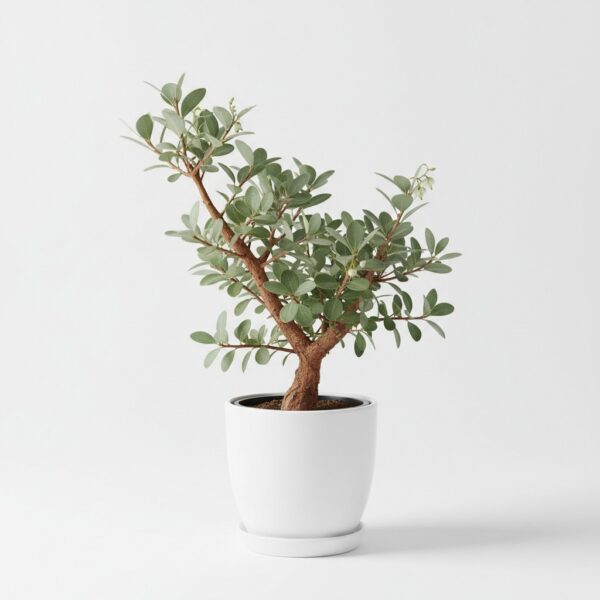
Manzanita
Arctostaphylos spp.
Manzanitas are evergreen shrubs or small trees characterized by smooth, reddish bark, crooked branches, and stiff, leathery leaves. They are native to western North America, particularly California. Manzanitas are highly adapted to dry, Mediterranean climates and are known for their drought tolerance. They are grown for their attractive bark, interesting branching patterns, and delicate pink or white flowers that bloom in late winter or early spring. They are primarily outdoor plants and can be challenging to grow indoors due to their specific light and soil requirements.

Pride of Madeira
Echium candicans
Pride of Madeira is a large, evergreen shrub native to the island of Madeira. It is prized for its spectacular, dense, cone-shaped flower spikes that can reach up to 50 cm (20 inches) in length. The flowers are typically a vibrant blue-purple, though pink and white varieties exist. The plant has a bushy, rounded habit and can grow quite large. It is primarily an outdoor plant, grown for its impressive floral display in gardens and landscapes. While it can be grown in containers, it requires significant space and specific conditions to thrive.
Quick Plant Comparison
| Feature | Manzanita | Pride of Madeira |
|---|---|---|
| Light | Full sun to partial shade. Requires at least 6 hours of direct sunlight daily. | Full sun (at least 6 hours of direct sunlight per day) |
| Watering | Every 2-4 weeks, depending on weather and soil drainage. | Every 1-2 weeks, depending on weather and soil drainage |
| Humidity | 20-40% | 30-50% |
| Temperature | 10-25°C | 15-25°C |
| Care Level | Expert | Expert |
| Growth Rate | Slow To Moderate | Moderate |
| Max Height | Rarely grown indoors, but if attempted, may reach 1-2 meters. | Outdoor: 1-2.5 meters (3-8 feet). Indoor (container): Significantly smaller, typically under 1 meter (3 feet), but challenging to maintain. |
| Pet Safety | ❌ Toxic To Pets | ❌ Toxic To Pets |
| Soil | Well-draining, acidic soil. A mix of sand, gravel, and peat moss is ideal. | Well-draining soil mix, such as a cactus or succulent mix amended with perlite or sand. |
| Beginner Friendly | ❌ No | ❌ No |
| Weekly Maintenance | 15 minutes weekly outdoors (weeding, watering check) | 30 minutes weekly (including watering, fertilizing, and pruning) |
🔬 Botanical Information — Comparing These Plants
Manzanita
| Scientific Name | Arctostaphylos spp. |
|---|---|
| Family | Ericaceae |
| Native To | Western North America |
| Also Known As | Manzanita, Bearberry |
| Leaves | The leaves of Manzanita are evergreen, leathery, and oval or lance-shaped. They are typically a glossy green color and have a smooth texture. The leaves are arranged alternately along the branches. |
| Flowers | Manzanita produces clusters of small, bell-shaped flowers in late winter or early spring. The flowers are typically pink or white and are attractive to pollinators. |
Pride of Madeira
| Scientific Name | Echium candicans |
|---|---|
| Family | Boraginaceae |
| Native To | Madeira Island, Portugal |
| Also Known As | Pride of Madeira, Echium fastuosum |
| Leaves | The leaves are lance-shaped, grey-green in color, and covered in fine, silvery-white hairs, giving them a soft, velvety texture. They are typically 10-20 cm (4-8 inches) long. |
| Flowers | It rarely flowers indoors. Outdoors, it produces dense, cone-shaped flower spikes that are typically a vibrant blue-purple, though pink and white varieties exist. The flowers are small and tubular, packed tightly together on the spikes. |
📏 Size & Growth — Plant Comparison
Manzanita
Pride of Madeira
🌱 Propagation — Comparing Plant Growth
Manzanita
Methods: Seed, Cuttings
Difficulty: Difficult
Tips: Seed propagation requires scarification and stratification. Cuttings should be taken in late summer and rooted in a well-draining medium with rooting hormone.
Pride of Madeira
Methods: Seed, Stem cuttings
Difficulty: Moderate
Tips: For seeds, sow in spring in well-draining soil. For stem cuttings, take semi-hardwood cuttings in late summer and root in a well-draining medium. Use rooting hormone to improve success.
✨ Benefits & Features — Comparing Plant Value
Manzanita
Manzanita is known for its smooth, reddish bark that peels in thin layers, revealing a new layer of bark underneath. Its crooked branches and evergreen foliage provide year-round interest in the landscape.
- ✓ Drought tolerance reduces water consumption.
- ✓ Provides habitat for native wildlife.
- ✓ Adds visual interest to the landscape with its unique bark and branching.
- ✓ Offers winter blooms, providing color during the dormant season.
- ✓ Requires minimal maintenance once established.
- ⚠️ Toxic to pets
Pride of Madeira
Its large, cone-shaped flower spikes are its most distinctive feature. The silvery-white hairs on the leaves add to its visual appeal. It's also endemic to Madeira, making it a unique plant.
- ✓ Attracts pollinators like bees and butterflies.
- ✓ Provides a stunning visual display with its vibrant flowers.
- ✓ Adds a touch of exotic beauty to the garden.
- ✓ Relatively drought-tolerant once established.
- ✓ Provides habitat for beneficial insects.
- ⚠️ Toxic to pets
📅 Maintenance Schedule — Plant Care Comparison
Manzanita
Pride of Madeira
🌞 Light Requirements
Manzanita
Full sun to partial shade. Requires at least 6 hours of direct sunlight daily.
Low light tolerant: ❌ No
Pride of Madeira
Full sun (at least 6 hours of direct sunlight per day)
Low light tolerant: ❌ No
💧 Watering Needs
Manzanita
Water deeply but infrequently, allowing the soil to dry out completely between waterings. Overwatering can lead to root rot. Signs of underwatering include wilting and leaf drop. Signs of overwatering include yellowing leaves and soggy soil.
Pride of Madeira
Water thoroughly when the top inch of soil is dry. Avoid overwatering, as this can lead to root rot. During the growing season (spring and summer), water more frequently. Reduce watering in the fall and winter. Signs of underwatering include wilting leaves; overwatering includes yellowing leaves and soggy soil.
🌡️ Temperature & Humidity
Manzanita
Temperature: 10-25°C
Humidity: 20-40%
Pride of Madeira
Temperature: 15-25°C
Humidity: 30-50%
🤔 Which Plant Is Right For You?
Manzanita
Arctostaphylos spp.Experienced gardeners in Mediterranean climates looking for a drought-tolerant, visually interesting shrub for their landscape.
✅ Choose This Plant If...
- You live in a Mediterranean climate with dry summers and mild winters.
- You want a drought-tolerant plant that requires minimal watering.
- You appreciate unique bark textures and branching patterns.
- You want a plant that provides winter interest with its blooms.
- You are an experienced gardener who enjoys a challenge.
❌ Skip This Plant If...
- You live in a climate with cold winters and high humidity.
- You are a beginner gardener.
- You want a low-maintenance indoor plant.
Pride of Madeira
Echium candicansExperienced gardeners in mild climates who want a spectacular flowering shrub in their garden.
✅ Choose This Plant If...
- You live in a mild climate with plenty of sunshine.
- You want to attract pollinators to your garden.
- You have a large garden space to accommodate its size.
- You appreciate dramatic floral displays.
- You are an experienced gardener looking for a rewarding challenge.
❌ Skip This Plant If...
- You live in a cold climate with harsh winters.
- You have limited space for a large shrub.
- You have pets, especially horses, due to its toxicity.
- You cannot provide full sun.
- You are a beginner gardener.
🎯 Quick Verdict
⚡ Key Differences Between These Plants
Manzanita has slow to moderate growth, while Pride of Madeira grows moderate.
💡 Pro Tips For Comparing These Plants
Manzanita Care Tips
Manzanita is primarily an outdoor plant and is very difficult to grow indoors. It requires full sun, well-draining acidic soil, and infrequent watering. Indoor cultivation is challenging due to the plant's specific environmental needs and susceptibility to root rot.
- Ensure excellent drainage to prevent root rot.
- Avoid over-fertilizing, as Manzanitas prefer lean soil.
- Prune lightly after flowering to maintain shape and remove deadwood.
- Protect from frost in colder climates.
- Choose a location with full sun for optimal growth and flowering.
Pride of Madeira Care Tips
Pride of Madeira is primarily an outdoor plant and requires full sun and well-draining soil. Growing it indoors is challenging due to its need for intense light and space. It is best suited for experienced gardeners in mild climates. Toxicity to horses is a concern.
- Provide excellent drainage to prevent root rot.
- Water deeply but infrequently, allowing the soil to dry out between waterings.
- Fertilize regularly during the growing season to promote abundant flowering.
- Prune after flowering to maintain shape and encourage bushier growth.
- Protect from frost in colder climates.
⚠️ Common Problems & Solutions — Plant Care Comparison
Manzanita
Pride of Madeira
❓ Frequently Asked Questions — Comparing These Plants
Manzanita
What are the light requirements for Manzanita?
Manzanita thrives in bright, indirect light. Insufficient light can lead to leggy growth and reduced flowering (if applicable). Aim for at least six hours of bright, indirect light per day. A south- or west-facing window is ideal, but be sure to protect the plant from intense, direct sunlight, especially during the hottest part of the day, as this can scorch the leaves.
How do I care for Manzanita?
Caring for Manzanita indoors requires attention to specific needs. Provide bright, indirect light, ideally near a south- or west-facing window. Use a well-draining potting mix formulated for cacti or succulents to prevent root rot. Water thoroughly when the top inch of soil is dry, then allow excess water to drain away. Avoid overwatering, as Manzanita is drought-tolerant.
How do I propagate Manzanita?
Manzanita can be propagated through stem cuttings and air layering, although success rates can be variable.
Pride of Madeira
What are the light requirements for Pride of Madeira?
Pride of Madeira thrives in full sun, needing at least 6-8 hours of direct sunlight per day to flower prolifically. Inadequate sunlight can result in leggy growth, reduced flowering, and pale foliage. When grown indoors, place it near a south-facing window where it can receive ample sunlight. If natural light is insufficient, supplement with grow lights to ensure optimal growth and flowering. Rotate the plant regularly to ensure even light exposure on all sides. Insufficient light can also lead to a weaker plant that is more susceptible to pests and diseases.
How do I care for Pride of Madeira?
Pride of Madeira requires full sun and well-drained soil. Water deeply but infrequently, allowing the soil to dry out between waterings. Fertilize sparingly with a balanced fertilizer during the growing season (spring and summer). Prune spent flower spikes to encourage bushier growth and potential reblooming. Provide protection from frost in colder climates, either by moving potted plants indoors or covering them with frost cloth. Avoid overwatering, especially during the winter months, as this can lead to root rot. Ensure good air circulation to prevent fungal diseases. Repot young plants annually to accommodate their growth.
How do I propagate Pride of Madeira?
Pride of Madeira can be propagated by stem cuttings or seeds. For stem cuttings, take 4-6 inch cuttings from healthy stems in the spring or summer. Remove the lower leaves and dip the cut end in rooting hormone. Plant the cuttings in well-draining potting mix and keep them moist. Roots should develop in 4-6 weeks. Seeds can be sown in the spring. Keep the soil moist and provide bright, indirect light. Germination can take several weeks. Division is difficult due to the plant’s structure. Keiki production is not typical for this plant.
Last updated: April 30, 2026 — Plant care data reviewed and verified by our editorial team.