Why You'll Love It
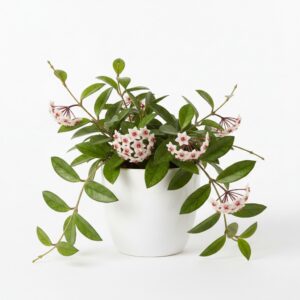
Pride of Madeira (Echium candicans) is adored by plant enthusiasts for its spectacular floral displays. Its towering spires of vibrant blue-purple flowers create a stunning focal point in any garden or large container. The plant's architectural form, with its rosette of silvery-green leaves, adds year-round interest, even when not in bloom. Gardeners appreciate its drought tolerance and relatively low maintenance needs once established. It is a magnet for pollinators like bees and butterflies, bringing life and vibrancy to the surrounding landscape. The ease of propagation makes it a rewarding plant to share with friends and family. Its unique texture and color palette make it a standout specimen.
The Story
Pride of Madeira originates from the island of Madeira, a Portuguese archipelago in the Atlantic Ocean. In its native habitat, it thrives on rocky cliffs and coastal slopes, adapted to well-drained soils and sunny conditions. Introduced to cultivation in the 18th century, it quickly gained popularity in Europe and other temperate regions. It is naturalized in some areas, including parts of California and Australia. While not specifically tied to any particular cultural significance, its striking beauty has made it a popular ornamental plant in gardens and parks worldwide. The plant's resilience and adaptability reflect the rugged beauty of its island home.
Complete Care Guide
Pride of Madeira requires full sun and well-drained soil. Water deeply but infrequently, allowing the soil to dry out between waterings. Fertilize sparingly with a balanced fertilizer during the growing season (spring and summer). Prune spent flower spikes to encourage bushier growth and potential reblooming. Provide protection from frost in colder climates, either by moving potted plants indoors or covering them with frost cloth. Avoid overwatering, especially during the winter months, as this can lead to root rot. Ensure good air circulation to prevent fungal diseases. Repot young plants annually to accommodate their growth.
Light Requirements
Pride of Madeira thrives in full sun, needing at least 6-8 hours of direct sunlight per day to flower prolifically. Inadequate sunlight can result in leggy growth, reduced flowering, and pale foliage. When grown indoors, place it near a south-facing window where it can receive ample sunlight. If natural light is insufficient, supplement with grow lights to ensure optimal growth and flowering. Rotate the plant regularly to ensure even light exposure on all sides. Insufficient light can also lead to a weaker plant that is more susceptible to pests and diseases.
Seasonal Care
Spring
In spring, begin fertilizing Pride of Madeira with a balanced fertilizer to promote growth and flowering. Prune any dead or damaged foliage. Increase watering as the weather warms up. Monitor for pests and diseases.
Summer
During the summer months, ensure Pride of Madeira receives adequate sunlight and water. Deadhead spent flowers to prolong the bloom time. Provide support if the flower spikes become too heavy. Monitor for pests and diseases.
Fall
In the fall, reduce watering and fertilization as the plant enters dormancy. Prune back any leggy growth. Provide protection from frost if necessary. Monitor for pests and diseases.
Winter
In the winter, keep Pride of Madeira relatively dry. Provide protection from frost. Avoid fertilizing. Monitor for pests and diseases. Ensure good air circulation.
The Life of Your Pride of Madeira
Seedling / Juvenile
For young Pride of Madeira plants, provide consistent moisture but avoid overwatering. Ensure they receive bright, indirect light. Gradually acclimate them to direct sunlight over a period of a week or two to prevent sunburn. Fertilize with a diluted balanced fertilizer every 2-4 weeks.
Adolescent
As Pride of Madeira matures, increase the amount of direct sunlight it receives. Monitor soil moisture levels and adjust watering accordingly. Begin pruning lightly to shape the plant and encourage bushier growth. Continue fertilizing regularly during the growing season.
Mature
During the blooming period, ensure consistent watering and fertilization to support the plant's energy demands. Deadhead spent flowers to prolong the bloom time. Monitor for pests and diseases and treat promptly if necessary. Provide support if the flower spikes become too heavy.
Established
After blooming, prune back the spent flower spikes to the base of the plant. Reduce watering and fertilization during the dormant period. Provide protection from frost in colder climates. Monitor for any signs of stress or disease. Reblooming can occur under optimal conditions, usually in the following year.
Propagation Guide
Pride of Madeira can be propagated by stem cuttings or seeds. For stem cuttings, take 4-6 inch cuttings from healthy stems in the spring or summer. Remove the lower leaves and dip the cut end in rooting hormone. Plant the cuttings in well-draining potting mix and keep them moist. Roots should develop in 4-6 weeks. Seeds can be sown in the spring. Keep the soil moist and provide bright, indirect light. Germination can take several weeks. Division is difficult due to the plant's structure. Keiki production is not typical for this plant.
Expert Knowledge
Pride of Madeira is relatively short-lived, typically living for 5-10 years. Regular pruning can help to prolong its lifespan and maintain its shape. The plant is relatively drought-tolerant once established but benefits from occasional deep watering during dry periods. In colder climates, it is best grown in containers that can be moved indoors during the winter months. The plant's seeds can be collected and used for propagation, but they may not come true to type.
Troubleshooting
Yellow leaves
Yellow leaves can be caused by overwatering, underwatering, nutrient deficiencies, or pest infestations. Check the soil moisture and adjust watering accordingly. Fertilize with a balanced fertilizer. Inspect the plant for pests and treat as necessary.
Brown leaf edges
Brown edges on leaves can be caused by dry air, inconsistent watering, or salt buildup in the soil. Increase humidity around the plant by misting or using a humidifier. Water deeply and allow excess water to drain away. Leach the soil periodically to remove salt buildup.
Drooping leaves
Drooping can be caused by underwatering, overwatering, or root rot. Check the soil moisture and adjust watering accordingly. Ensure the pot has adequate drainage. If root rot is suspected, repot the plant into fresh, well-draining soil.
Root rot
Root rot is caused by overwatering and poor drainage. Remove the affected plant from its pot and trim away any rotten roots. Repot the plant into fresh, well-draining soil. Reduce watering and ensure good air circulation.
Pests
Pests such as aphids, mealybugs, and spider mites can infest Pride of Madeira. Inspect the plant regularly for signs of infestation. Treat with insecticidal soap or neem oil. Provide good air circulation to prevent pest problems.
Frequently Asked Questions
What are the ideal light conditions?
Pride of Madeira needs at least 6-8 hours of direct sunlight daily.
How often should I water?
Water thoroughly when the top inch of soil is dry, then let drain.
When should I repot?
Repot in spring every 1-2 years into a slightly larger pot.
Is it toxic to pets?
Pride of Madeira is considered mildly toxic to pets and humans.
How big will it grow?
Indoors, Pride of Madeira typically grows 2-4 feet tall.
Can I propagate at home?
Yes, Pride of Madeira can be propagated by stem cuttings.