
Glory of the Snow vs Myrtle Spurge Plant Comparison
Compare these two plants side by side — care needs, key differences, and which is right for your home.

Glory of the Snow
Chionodoxa luciliae
Chionodoxa luciliae, commonly known as Glory of the Snow, is a bulbous perennial flowering plant. It is primarily grown outdoors for its early spring blooms. It features star-shaped, upward-facing flowers, typically in shades of blue with a white center. The plant grows to a height of about 10-15 cm. While it can be forced indoors, it is not ideally suited as a long-term indoor plant due to its need for a cold dormancy period and bright sunlight. People grow it for its cheerful early spring color in gardens and naturalized areas.
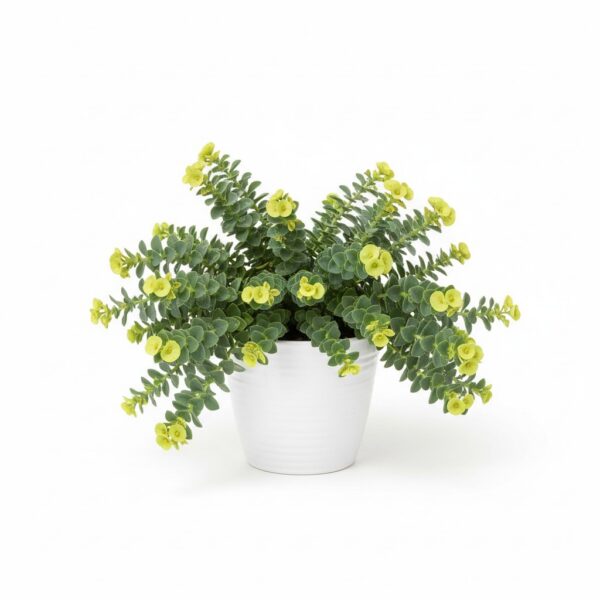
Myrtle Spurge
Euphorbia myrsinites
Myrtle Spurge is a succulent, low-growing perennial characterized by its sprawling habit and blue-gray, spirally arranged leaves. It typically reaches a height of 6-12 inches and spreads up to 24 inches wide. It is primarily grown as an ornamental ground cover in rock gardens or dry landscapes. It produces small, inconspicuous yellowish-green flowers in spring, followed by seed capsules. This plant is naturally an outdoor plant and struggles indoors due to its high light requirements and need for well-draining soil.
Quick Plant Comparison
| Feature | Glory of the Snow | Myrtle Spurge |
|---|---|---|
| Light | Full sun to partial shade | Full sun to partial shade. Requires at least 6 hours of direct sunlight daily for optimal growth. |
| Watering | Once a week during active growth, less frequently during dormancy. | Every 2-4 weeks, depending on weather and soil drainage. |
| Humidity | 30-50% | 20-40% |
| Temperature | 5-15°C | 15-25°C |
| Care Level | Expert | Expert |
| Growth Rate | Moderate | Moderate |
| Max Height | 10-15 cm | 6-12 inches (outdoor) |
| Pet Safety | ❌ Toxic To Pets | ❌ Toxic To Pets |
| Soil | Well-draining soil, such as a mix of loam, sand, and compost. | Well-draining, sandy or gravelly soil. Avoid heavy clay soils. |
| Beginner Friendly | ❌ No | ❌ No |
| Weekly Maintenance | 5 minutes weekly during active growth. | 15 minutes monthly (weeding, pruning) |
🔬 Botanical Information — Comparing These Plants
Glory of the Snow
| Scientific Name | Chionodoxa luciliae |
|---|---|
| Family | Asparagaceae |
| Native To | Western Turkey |
| Also Known As | Glory of the Snow, Lucile's Glory-of-the-snow |
| Leaves | The leaves are linear, grass-like, and typically appear after the flowers. They are a medium green color and grow from the base of the plant. |
| Flowers | It rarely flowers indoors unless forced. Outdoors, it produces clusters of small, star-shaped flowers in shades of blue, pink, or white with a characteristic white center in early spring. |
Myrtle Spurge
| Scientific Name | Euphorbia myrsinites |
|---|---|
| Family | Euphorbiaceae |
| Native To | Mediterranean region (Southern Europe and North Africa) |
| Also Known As | Myrtle Spurge, Donkey Spurge, Creeping Spurge, Glaucous Spurge |
| Leaves | Succulent, blue-gray, lance-shaped leaves arranged in a spiral pattern around the stems. Leaves are typically 1-2 inches long. |
| Flowers | Produces small, inconspicuous yellowish-green flowers in spring. Rarely flowers indoors. |
📏 Size & Growth — Plant Comparison
Glory of the Snow
Myrtle Spurge
🌱 Propagation — Comparing Plant Growth
Glory of the Snow
Methods: Bulb offsets, Seed
Difficulty: Easy
Tips: Separate bulb offsets after flowering and replant in the fall. Sow seeds in a cold frame in the fall.
Myrtle Spurge
Methods: Seed, Stem cuttings
Difficulty: Moderate
Tips: Take stem cuttings in spring or summer, allow the cut end to callous over for a few days, and then plant in well-draining soil. Wear gloves to avoid skin irritation from the sap.
✨ Benefits & Features — Comparing Plant Value
Glory of the Snow
Its early spring bloom time and ability to naturalize make it a valuable addition to gardens. The bright blue, star-shaped flowers are a welcome sight after winter.
- ✓ Provides early spring color.
- ✓ Attracts pollinators.
- ✓ Naturalizes easily.
- ✓ Low maintenance once established.
- ✓ Adds beauty to rock gardens and woodland areas.
- ⚠️ Toxic to pets
Myrtle Spurge
The spirally arranged, blue-gray leaves give it a distinctive appearance. The milky sap is toxic and can cause skin irritation.
- ✓ Drought tolerance reduces water usage.
- ✓ Provides visual interest with its unique foliage.
- ✓ Low maintenance once established.
- ✓ Attracts pollinators.
- ✓ Controls erosion on slopes.
- ⚠️ Toxic to pets
📅 Maintenance Schedule — Plant Care Comparison
Glory of the Snow
Myrtle Spurge
🌞 Light Requirements
Glory of the Snow
Full sun to partial shade
Low light tolerant: ❌ No
Myrtle Spurge
Full sun to partial shade. Requires at least 6 hours of direct sunlight daily for optimal growth.
Low light tolerant: ❌ No
💧 Watering Needs
Glory of the Snow
Water thoroughly when planting and during active growth in spring. Allow the soil to dry slightly between waterings. Avoid overwatering, which can lead to bulb rot. Reduce watering significantly after flowering as the plant enters dormancy.
Myrtle Spurge
Water deeply but infrequently, allowing the soil to dry out completely between waterings. Overwatering can lead to root rot. Signs of underwatering include shriveled leaves. Signs of overwatering include yellowing leaves and a mushy stem.
🌡️ Temperature & Humidity
Glory of the Snow
Temperature: 5-15°C
Humidity: 30-50%
Myrtle Spurge
Temperature: 15-25°C
Humidity: 20-40%
🤔 Which Plant Is Right For You?
Glory of the Snow
Chionodoxa luciliaeGardeners looking for early spring blooms in their outdoor gardens.
✅ Choose This Plant If...
- You want early spring blooms in your garden.
- You want a plant that naturalizes easily.
- You want a low-maintenance ground cover for sunny areas.
- You want to attract early pollinators to your garden.
- You appreciate the delicate beauty of small, star-shaped flowers.
❌ Skip This Plant If...
- You want a plant that thrives indoors year-round.
- You have pets that might ingest the plant.
- You live in a very warm climate without a distinct cold season.
Myrtle Spurge
Euphorbia myrsinitesExperienced gardeners looking for a drought-tolerant ground cover in sunny, well-drained locations.
✅ Choose This Plant If...
- You need a drought-tolerant ground cover for a sunny area.
- You appreciate the unique blue-gray foliage.
- You are an experienced gardener familiar with handling toxic plants.
- You want a low-maintenance plant once established.
- You have a rock garden or xeriscape landscape.
❌ Skip This Plant If...
- You have pets or small children who may ingest the plant.
- You are a beginner gardener.
- You do not have a sunny outdoor space.
- You are sensitive to latex or have skin allergies.
🎯 Quick Verdict
⚡ Key Differences Between These Plants
Both plants have similar basic care requirements but differ in appearance and specific needs. Compare plants carefully to find the best fit for your space.
💡 Pro Tips For Comparing These Plants
Glory of the Snow Care Tips
Glory of the Snow is best suited for outdoor gardens. Indoor forcing is possible but requires providing a cold dormancy period. It needs bright light and well-draining soil. Maintaining proper conditions for long-term indoor growth is challenging.
- Plant bulbs in well-draining soil in a sunny location.
- Provide a cold dormancy period for best flowering.
- Protect bulbs from pests like squirrels.
- Allow foliage to die back naturally after flowering.
- Divide clumps every few years to prevent overcrowding.
Myrtle Spurge Care Tips
Myrtle Spurge is an outdoor plant that requires full sun and well-draining soil. It is not suitable for indoor growing due to its high light requirements and potential for toxicity. It is drought-tolerant and relatively low-maintenance once established, but requires careful handling due to its toxic sap.
- Always wear gloves and eye protection when handling Myrtle Spurge.
- Remove seed heads to prevent unwanted spread.
- Ensure excellent drainage to prevent root rot.
- Water deeply but infrequently.
- Provide full sun for optimal growth and color.
⚠️ Common Problems & Solutions — Plant Care Comparison
Glory of the Snow
Myrtle Spurge
❓ Frequently Asked Questions — Comparing These Plants
Glory of the Snow
What are the light requirements for Glory of the Snow?
Glory of the Snow thrives in full sun to partial shade. In cooler climates, full sun is ideal to encourage abundant flowering. In warmer regions, afternoon shade is beneficial to protect the delicate blooms from scorching. Indoors, place your potted Glory of the Snow near a bright, sunny window.
How do I care for Glory of the Snow?
Glory of the Snow prefers well-draining soil and a location with full sun to partial shade. Plant bulbs in the fall, about 3-4 inches deep and 2-3 inches apart. Water thoroughly after planting. During the growing season, keep the soil consistently moist but not soggy. Fertilize in early spring with a balanced fertilizer to promote flowering.
How do I propagate Glory of the Snow?
Glory of the Snow can be propagated through division. After the foliage has died back in late spring or early summer, carefully dig up the bulbs. Gently separate any offsets (smaller bulbs attached to the main bulb). Replant the offsets in well-draining soil, about 3-4 inches deep and 2-3 inches apart. Water thoroughly.
Myrtle Spurge
What are the light requirements for Myrtle Spurge?
Myrtle Spurge thrives in bright, direct sunlight. Aim for at least 6 hours of sunlight per day. An east- or south-facing window is ideal. If grown outdoors, choose a location that receives full sun. Insufficient light can lead to etiolation, where the plant stretches towards the light source, resulting in weak, leggy growth. Rotate the plant regularly to ensure even light exposure on all sides. In regions with intense summer sun, provide some afternoon shade to prevent scorching. Supplement with grow lights if natural light is limited, particularly during winter months.
How do I care for Myrtle Spurge?
Myrtle Spurge requires well-draining soil, such as a cactus or succulent mix, to prevent root rot. Water thoroughly when the soil is completely dry, typically every 2-4 weeks, depending on environmental conditions. Provide bright, direct sunlight for at least 6 hours a day; however, protect it from intense afternoon sun in hot climates. Fertilize sparingly, only during the growing season (spring and summer), using a balanced, diluted succulent fertilizer. Prune dead or damaged leaves to maintain its appearance. Be extremely cautious of the milky sap, which can cause skin irritation. Wear gloves when handling. Avoid overwatering, especially during winter dormancy.
How do I propagate Myrtle Spurge?
Myrtle Spurge can be propagated through stem cuttings, leaf cuttings, or offsets. For stem cuttings, allow the cut end to callous over for a few days before planting in well-draining soil. Rooting hormone can aid in the process. Leaf cuttings can be placed on top of well-draining soil and misted occasionally. Offsets, or small plantlets that grow around the base of the mother plant, can be carefully separated and potted individually. Wear gloves when handling cuttings to avoid skin irritation from the sap. Provide bright, indirect light and maintain consistent moisture until roots develop. Propagation is best done during the growing season (spring or summer).
Last updated: May 15, 2026 — Plant care data reviewed and verified by our editorial team.