
Daffodil vs Queen of the Meadow Plant Comparison
Compare these two plants side by side — care needs, key differences, and which is right for your home.
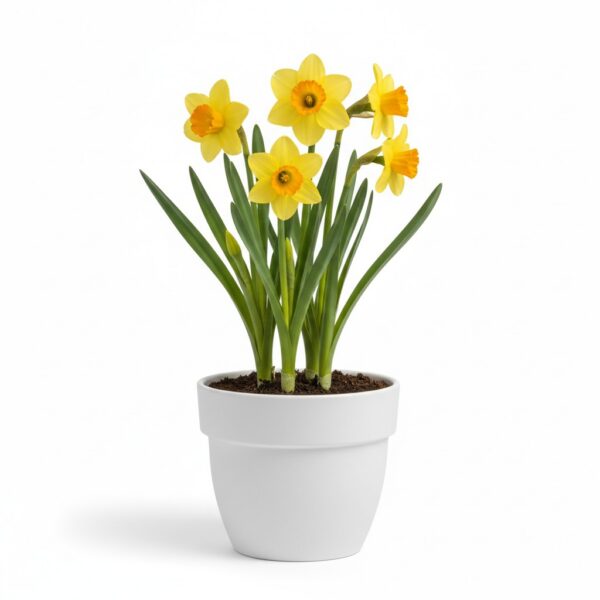
Daffodil
Narcissus spp.
Daffodils are perennial bulbous plants known for their vibrant trumpet-shaped flowers and strap-like leaves. They are primarily grown outdoors in gardens and naturalized areas for their cheerful spring blooms. Daffodils range in size from dwarf varieties to larger cultivars, with flower colors including yellow, white, orange, and pink. They are not typically grown indoors long-term due to their need for a cold dormancy period and high light requirements. People grow them for their early spring color and ease of cultivation outdoors.

Queen of the Meadow
Filipendula ulmaria
Filipendula ulmaria, commonly known as Queen of the Meadow or Meadowsweet, is a herbaceous perennial plant typically found in damp meadows and along riverbanks. It features pinnately divided leaves and produces clusters of creamy-white, fragrant flowers in summer. The plant grows to a height of 1-2 meters. While historically used for medicinal purposes, it is primarily grown for its ornamental value in gardens, adding a touch of wild beauty and attracting pollinators. It is not suitable for indoor cultivation due to its size and specific environmental needs.
Quick Plant Comparison
| Feature | Daffodil | Queen of the Meadow |
|---|---|---|
| Light | Full sun to partial shade outdoors. Indoors, requires very bright, direct light. | Full sun to partial shade |
| Watering | Every 1-2 weeks outdoors, depending on rainfall. Indoors, every 5-7 days during active growth. | 2-3 times per week, depending on weather conditions |
| Humidity | 40-60% | 40-60% |
| Temperature | 10-18°C | 15-25°C |
| Care Level | Expert | Expert |
| Growth Rate | Moderate | Fast |
| Max Height | Indoors: 15-45 cm (6-18 inches) | 1-2 meters (outdoor) |
| Pet Safety | ❌ Toxic To Pets | ❌ Toxic To Pets |
| Soil | Well-draining, fertile soil. A mix of potting soil, sand, and compost is suitable. | Moist, well-drained soil rich in organic matter |
| Beginner Friendly | ❌ No | ❌ No |
| Weekly Maintenance | 5 minutes weekly during the growing season. | 30 minutes weekly during growing season |
🔬 Botanical Information — Comparing These Plants
Daffodil
| Scientific Name | Narcissus spp. |
|---|---|
| Family | Amaryllidaceae |
| Native To | Europe, North Africa, and Asia |
| Also Known As | Daffodil, Jonquil, Narcissus |
| Leaves | Strap-like, linear leaves that are typically green or bluish-green. They emerge from the bulb in early spring. |
| Flowers | Flowers are typically solitary on a stem, with a central trumpet-shaped corona surrounded by six petals (tepals). Flower colors include yellow, white, orange, pink, and bi-colors. Rarely flowers indoors unless forced. |
Queen of the Meadow
| Scientific Name | Filipendula ulmaria |
|---|---|
| Family | Rosaceae |
| Native To | Europe and Western Asia |
| Also Known As | Meadowsweet, Queen-of-the-meadow, Meadow Wort, Bridewort |
| Leaves | Pinnately divided leaves with toothed leaflets. The leaves are typically dark green and have a slightly rough texture. |
| Flowers | Produces clusters of small, creamy-white flowers in summer. The flowers are highly fragrant and attract pollinators. |
📏 Size & Growth — Plant Comparison
Daffodil
Queen of the Meadow
🌱 Propagation — Comparing Plant Growth
Daffodil
Methods: Bulb offsets (division), Seed
Difficulty: Easy
Tips: Divide bulbs after foliage dies back in late summer. Replant offsets immediately. Seed propagation is slow and may take several years to produce flowering plants.
Queen of the Meadow
Methods: Division, Seed
Difficulty: Moderate
Tips: Divide rhizomes in spring or fall. Sow seeds in spring or fall; cold stratification may improve germination.
✨ Benefits & Features — Comparing Plant Value
Daffodil
Daffodils are known for their trumpet-shaped flowers and early spring bloom time. They contain alkaloids that make them deer-resistant and toxic to pets.
- ✓ Provides early spring color and cheer
- ✓ Deer resistant
- ✓ Attracts pollinators
- ✓ Relatively low maintenance outdoors
- ✓ Can be used for cut flowers
- ⚠️ Toxic to pets
Queen of the Meadow
Its tall stature and fragrant, creamy-white flowers make it a striking addition to any garden. The plant's historical medicinal uses, though not currently recommended without professional guidance, add to its intrigue.
- ✓ Attracts pollinators, including bees and butterflies.
- ✓ Adds vertical interest to the garden.
- ✓ Provides a pleasant fragrance.
- ✓ Offers a naturalistic and wild aesthetic.
- ✓ Can be used in cut flower arrangements.
- ⚠️ Toxic to pets
📅 Maintenance Schedule — Plant Care Comparison
Daffodil
Queen of the Meadow
🌞 Light Requirements
Daffodil
Full sun to partial shade outdoors. Indoors, requires very bright, direct light.
Low light tolerant: ❌ No
Queen of the Meadow
Full sun to partial shade
Low light tolerant: ❌ No
💧 Watering Needs
Daffodil
Outdoors, water thoroughly when the top inch of soil is dry. Indoors, keep the soil consistently moist during the growing season, but reduce watering after flowering as the bulb enters dormancy. Overwatering can lead to bulb rot. Underwatering will cause the foliage to wilt and the bulb to dry out.
Queen of the Meadow
Keep soil consistently moist, especially during dry periods. Water deeply when the top inch of soil feels dry. Avoid waterlogging.
🌡️ Temperature & Humidity
Daffodil
Temperature: 10-18°C
Humidity: 40-60%
Queen of the Meadow
Temperature: 15-25°C
Humidity: 40-60%
🤔 Which Plant Is Right For You?
Daffodil
Narcissus spp.Gardeners looking for early spring color in their outdoor landscapes.
✅ Choose This Plant If...
- You want early spring blooms in your garden.
- You need a deer-resistant plant.
- You enjoy the classic look of trumpet-shaped flowers.
- You have a sunny garden spot.
- You want to naturalize bulbs in a meadow or woodland area.
❌ Skip This Plant If...
- You have pets that might ingest the plant.
- You lack a suitable outdoor space.
- You want a plant that thrives indoors year-round.
Queen of the Meadow
Filipendula ulmariaGardeners looking to add a tall, fragrant, and pollinator-attracting plant to a moist garden or meadow setting.
✅ Choose This Plant If...
- You want a tall, flowering plant for a moist garden area.
- You want to attract pollinators to your garden.
- You appreciate fragrant flowers.
- You have a large garden space where it can spread.
- You are experienced with managing potentially aggressive plants.
❌ Skip This Plant If...
- You have limited garden space.
- You have pets that might ingest the plant.
- You are looking for an easy-to-grow indoor plant.
- You prefer plants that don't spread aggressively.
- You live in a very dry climate.
🎯 Quick Verdict
⚡ Key Differences Between These Plants
Daffodil has moderate growth, while Queen of the Meadow grows fast.
💡 Pro Tips For Comparing These Plants
Daffodil Care Tips
Daffodils are best suited for outdoor cultivation. Indoor growing is challenging due to their need for a cold dormancy period and high light. Forcing bulbs indoors is possible, but they may not rebloom the following year without proper dormancy.
- Plant bulbs in well-draining soil at the correct depth (usually 2-3 times the bulb's height).
- Provide a cold dormancy period for optimal blooming.
- Fertilize in early spring as foliage emerges.
- Allow foliage to die back naturally after flowering.
- Protect from excessive moisture to prevent bulb rot.
Queen of the Meadow Care Tips
Queen of the Meadow is an outdoor plant that requires full sun to partial shade and consistently moist soil. It is not suitable for indoor cultivation. It can be an aggressive spreader. Due to its toxicity to pets, caution is advised if pets are present in the garden.
- Provide consistently moist soil, especially during hot weather.
- Deadhead spent flowers to encourage more blooms.
- Divide clumps every few years to control spread and rejuvenate the plant.
- Monitor for pests and diseases regularly.
- Provide support if the plant becomes too tall and floppy.
⚠️ Common Problems & Solutions — Plant Care Comparison
Daffodil
Queen of the Meadow
❓ Frequently Asked Questions — Comparing These Plants
Daffodil
What are the light requirements for Daffodil?
Daffodils require at least six hours of direct sunlight per day for optimal growth and flowering. In warmer climates, providing some afternoon shade can help prevent scorching of the foliage. When grown indoors, place daffodils near a sunny window where they can receive ample light. Insufficient light can result in weak, leggy growth and reduced bloom production.
How do I care for Daffodil?
Daffodils thrive in well-draining soil and prefer a location that receives full sun to partial shade. Plant bulbs in the fall, typically 4-6 inches deep and 4-6 inches apart. Water thoroughly after planting. During the growing season, water regularly, especially during dry periods, ensuring the soil remains consistently moist but not waterlogged. Fertilize in early spring as shoots emerge with a balanced fertilizer to promote healthy growth and abundant blooms.
How do I propagate Daffodil?
Daffodils are most commonly propagated through bulb division. This is best done in late summer or early fall when the foliage has died back. Carefully dig up the clump of bulbs and gently separate the individual bulbs, ensuring each has healthy roots. Replant the separated bulbs at the recommended depth and spacing.
Queen of the Meadow
What are the light requirements for Queen of the Meadow?
Queen of the Meadow thrives in full sun to partial shade. Ideally, it should receive at least 6 hours of direct sunlight daily for optimal flowering. In hotter climates, providing some afternoon shade can prevent scorching of the leaves. If grown in too much shade, the plant may produce fewer flowers and become leggy. When planting, consider the amount of sunlight the area receives throughout the day and choose a location accordingly. Monitor the plant’s growth and adjust its location if necessary to ensure it receives adequate light.
How do I care for Queen of the Meadow?
Queen of the Meadow prefers full sun to partial shade, with at least 6 hours of direct sunlight for optimal flowering. Water regularly, especially during dry spells, ensuring the soil remains consistently moist but not waterlogged. Fertilize in early spring with a balanced, slow-release fertilizer to promote healthy growth and abundant blooms. Deadhead spent flowers to encourage further blooming and prevent self-seeding. Provide support for taller varieties to prevent them from flopping over. Mulch around the base of the plant to retain moisture and suppress weeds. Prune back foliage in late fall or early spring. Monitor for pests and diseases, and treat accordingly. Divide clumps every few years to rejuvenate the plant and prevent overcrowding. Ensure good air circulation to prevent fungal issues.
How do I propagate Queen of the Meadow?
Queen of the Meadow can be propagated through division, stem cuttings, or seed. Division is best done in early spring or fall. Carefully dig up the plant and divide the root ball into smaller clumps, ensuring each clump has healthy roots and foliage. Replant the divisions in well-draining soil. Stem cuttings can be taken in late spring or early summer. Take 4-6 inch cuttings from new growth, remove the lower leaves, and dip the cut end in rooting hormone. Plant the cuttings in moist potting mix and keep them in a humid environment until they root. Seeds can be sown in early spring or fall, but germination can be slow and uneven.
Last updated: April 22, 2026 — Plant care data reviewed and verified by our editorial team.