
Chinese Money Plant vs Lady Slipper Orchid Plant Comparison
Compare these two plants side by side — care needs, key differences, and which is right for your home.

Chinese Money Plant
Pilea peperomioides
Pilea peperomioides, commonly known as the Chinese Money Plant, is a popular houseplant prized for its unique, coin-shaped leaves. It features a central stem from which round, vibrant green leaves emerge on long petioles, creating a visually appealing, symmetrical appearance. Naturally found in the mountainous regions of Southern China, it thrives in bright, indirect light. People grow it for its easy care, interesting foliage, and the belief that it brings good luck and prosperity.
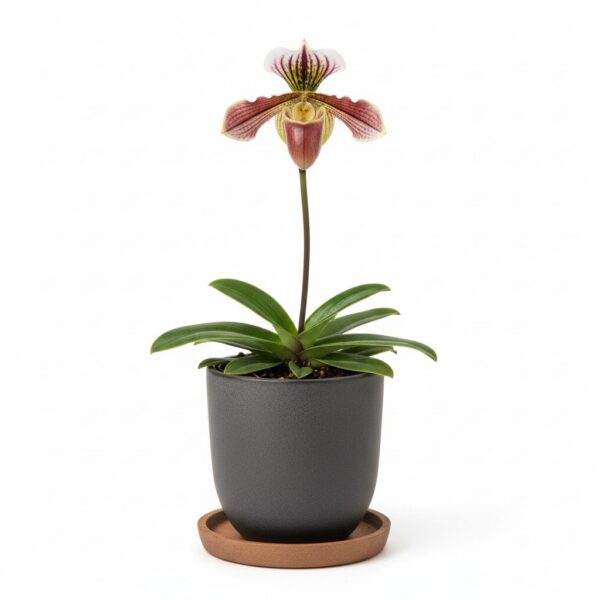
Lady Slipper Orchid
Cypripedium spp.
Lady Slipper Orchids are terrestrial orchids known for their distinctive pouch-like flower, resembling a slipper. They are primarily outdoor plants, thriving in woodland environments. The flower's pouch traps insects, forcing them to pollinate the flower as they escape. These orchids are highly sought after for their unique beauty and are often grown in specialized gardens or naturalized settings. They are notoriously difficult to cultivate outside of their natural habitat, requiring specific soil conditions and mycorrhizal associations. Attempting to grow them indoors is generally unsuccessful.
Quick Plant Comparison
| Feature | Chinese Money Plant | Lady Slipper Orchid |
|---|---|---|
| Light | Bright, indirect light. Avoid direct sunlight, which can scorch the leaves. | Partial shade to full shade, depending on the species. Avoid direct sunlight, especially during the hottest part of the day. |
| Watering | Every 1-2 weeks, depending on environmental conditions | Every 3-7 days, depending on weather and soil drainage |
| Humidity | 40-60% | 50-70% |
| Temperature | 18-24°C | 15-21°C |
| Care Level | Easy | Expert |
| Growth Rate | Moderate | Slow |
| Max Height | 20-30 cm | 15-60 cm (outdoor) |
| Pet Safety | ❌ Toxic To Pets | ❌ Toxic To Pets |
| Soil | Well-draining potting mix, such as a blend of peat moss, perlite, and vermiculite | Well-draining, humus-rich soil with a slightly acidic pH. A mix of peat moss, perlite, and pine bark is often used. |
| Beginner Friendly | ✅ Yes | ❌ No |
| Weekly Maintenance | 5 minutes weekly | 30 minutes weekly (outdoor) |
🔬 Botanical Information — Comparing These Plants
Chinese Money Plant
| Scientific Name | Pilea peperomioides |
|---|---|
| Family | Urticaceae |
| Native To | Yunnan Province, Southern China |
| Also Known As | Chinese Money Plant, Pancake Plant, UFO Plant, Missionary Plant |
| Leaves | Round, coin-shaped leaves with a diameter of 2-4 inches. The leaves are a vibrant green color and have a slightly waxy texture. They are attached to the central stem by long, slender petioles. |
| Flowers | Rarely flowers indoors. When it does, the flowers are small, white, and inconspicuous. |
Lady Slipper Orchid
| Scientific Name | Cypripedium spp. |
|---|---|
| Family | Orchidaceae |
| Native To | North America, Europe, and Asia |
| Also Known As | Lady Slipper Orchid, Moccasin Flower |
| Leaves | Leaves are typically oval or lance-shaped, green, and often hairy or pubescent. They are arranged alternately along the stem. |
| Flowers | Flowers are rarely seen indoors. Outdoors, they feature a distinctive pouch-like labellum (the 'slipper') in various colors, including pink, yellow, white, and purple. The petals and sepals are often twisted or elongated. |
📏 Size & Growth — Plant Comparison
Chinese Money Plant
Lady Slipper Orchid
🌱 Propagation — Comparing Plant Growth
Chinese Money Plant
Methods: Stem cuttings, Offsets (pups)
Difficulty: Easy
Tips: Offsets that grow from the base of the plant can be carefully separated and potted in their own containers. Stem cuttings can be rooted in water or directly in soil. Ensure high humidity for successful rooting.
Lady Slipper Orchid
Methods: Division, Seed (very difficult)
Difficulty: Difficult
Tips: Division is best done in early spring or fall. Seed propagation requires specialized techniques and mycorrhizal fungi.
✨ Benefits & Features — Comparing Plant Value
Chinese Money Plant
The perfectly round, coin-shaped leaves are its most distinctive feature. It's also known for producing numerous offsets, making it easy to propagate and share. Its upright growth habit and symmetrical appearance make it a visually appealing addition to any indoor space.
- ✓ Adds a touch of greenery to your home decor
- ✓ Easy to propagate and share with friends
- ✓ Believed to bring good luck and prosperity
- ✓ Relatively low-maintenance
- ✓ Unique and eye-catching foliage
- ⚠️ Toxic to pets
Lady Slipper Orchid
The pouch-like flower is a unique adaptation for pollination. The plant's reliance on mycorrhizal fungi makes it difficult to cultivate.
- ✓ Attracts pollinators
- ✓ Adds unique beauty to a woodland garden
- ✓ Provides a sense of accomplishment for experienced growers
- ✓ Supports biodiversity
- ✓ Offers a connection to nature
- ⚠️ Toxic to pets
📅 Maintenance Schedule — Plant Care Comparison
Chinese Money Plant
Lady Slipper Orchid
🌞 Light Requirements
Chinese Money Plant
Bright, indirect light. Avoid direct sunlight, which can scorch the leaves.
Low light tolerant: ✅ Yes
Lady Slipper Orchid
Partial shade to full shade, depending on the species. Avoid direct sunlight, especially during the hottest part of the day.
Low light tolerant: ❌ No
💧 Watering Needs
Chinese Money Plant
Water thoroughly when the top inch of soil feels dry to the touch. Ensure proper drainage to prevent root rot. Overwatering can lead to yellowing and drooping leaves, while underwatering can cause the leaves to become dry and crispy.
Lady Slipper Orchid
Keep the soil consistently moist but not waterlogged. Water deeply when the top inch of soil feels dry. Overwatering can lead to root rot, while underwatering can cause the plant to wilt and die. Use rainwater or distilled water if possible, as tap water can contain minerals that are harmful to orchids.
🌡️ Temperature & Humidity
Chinese Money Plant
Temperature: 18-24°C
Humidity: 40-60%
Lady Slipper Orchid
Temperature: 15-21°C
Humidity: 50-70%
🤔 Which Plant Is Right For You?
Chinese Money Plant
Pilea peperomioidesBeginners looking for a visually appealing and relatively low-maintenance houseplant.
✅ Choose This Plant If...
- You want a unique-looking plant that's easy to care for.
- You're looking for a plant that's easy to propagate and share with friends.
- You want a plant that's believed to bring good luck and prosperity.
- You have a bright spot in your home that doesn't get direct sunlight.
- You are a beginner plant owner looking for a rewarding experience.
❌ Skip This Plant If...
- You have pets that might ingest the plant.
- You tend to overwater your plants.
- You don't have a spot with bright, indirect light.
Lady Slipper Orchid
Cypripedium spp.Experienced orchid growers with suitable outdoor woodland gardens.
✅ Choose This Plant If...
- You have a shaded woodland garden with acidic soil
- You are an experienced orchid grower looking for a challenge
- You want to attract pollinators to your garden
- You appreciate unique and rare plants
- You are prepared to provide very specific care requirements
❌ Skip This Plant If...
- You are a beginner gardener
- You want an easy-to-care-for indoor plant
- You have pets that might ingest the plant
🎯 Quick Verdict
⚡ Key Differences Between These Plants
Chinese Money Plant is rated Easy care level, while Lady Slipper Orchid is Expert.
Chinese Money Plant has moderate growth, while Lady Slipper Orchid grows slow.
💡 Pro Tips For Comparing These Plants
Chinese Money Plant Care Tips
Pilea peperomioides is an easy-to-care-for houseplant that thrives in bright, indirect light and well-draining soil. Rotate the plant regularly to ensure even growth. Avoid overwatering and provide adequate humidity. It's toxic to pets, so keep it out of reach.
- Rotate the plant regularly to ensure even growth.
- Allow the soil to dry out slightly between waterings.
- Fertilize sparingly during the growing season.
- Provide adequate humidity, especially in dry environments.
- Monitor for pests and address them promptly.
Lady Slipper Orchid Care Tips
Lady Slipper Orchids are extremely challenging to grow, especially indoors. They require specific soil conditions, humidity, temperature, and light levels. They also rely on symbiotic relationships with mycorrhizal fungi in the soil, making indoor cultivation nearly impossible. This plant is best left to experienced orchid growers with outdoor woodland gardens.
- Ensure proper drainage to prevent root rot.
- Use rainwater or distilled water for watering.
- Provide shade during the hottest part of the day.
- Protect from slugs and snails.
- Fertilize sparingly during the growing season.
⚠️ Common Problems & Solutions — Plant Care Comparison
Chinese Money Plant
Lady Slipper Orchid
❓ Frequently Asked Questions — Comparing These Plants
Chinese Money Plant
What are the light requirements for Chinese Money Plant?
Chinese Money Plants flourish in bright, indirect light. Direct sunlight can scorch their delicate leaves, causing discoloration and damage. The ideal location is near an east- or west-facing window where it receives filtered light. If placed near a south-facing window, use sheer curtains to diffuse the light.
How do I care for Chinese Money Plant?
The Chinese Money Plant thrives in bright, indirect light, so avoid direct sunlight which can scorch its leaves. Water when the top inch of soil feels dry to the touch, usually once a week, but adjust based on environmental conditions. Ensure the pot has drainage holes to prevent root rot. Use well-draining potting mix.
How do I propagate Chinese Money Plant?
Chinese Money Plants are easily propagated through several methods. Stem cuttings can be taken from mature plants and placed in water until roots develop, then planted in soil. “Pups” or baby plants that grow from the base of the plant can be carefully separated and potted individually. Division involves separating the main plant into multiple smaller plants, ensuring each section has roots and leaves. Air layering is also possible but less common.
Lady Slipper Orchid
What are the light requirements for Lady Slipper Orchid?
Lady Slipper Orchids thrive in bright, indirect light. Avoid exposing them to direct sunlight, which can burn their delicate leaves. An east-facing window is often ideal, providing gentle morning sun. A north-facing window can also work, but supplemental lighting may be necessary, especially during winter months.
How do I care for Lady Slipper Orchid?
Caring for Lady Slipper Orchids requires attention to detail and mimicking their natural environment. Provide bright, indirect light, avoiding direct sunlight which can scorch the leaves. Maintain a moderate temperature range, ideally between 60-75°F (15-24°C). Water thoroughly when the potting mix is nearly dry, ensuring good drainage to prevent root rot. Use rainwater, distilled water, or reverse osmosis water.
How do I propagate Lady Slipper Orchid?
Lady Slipper Orchids are best propagated through division, a process best performed during repotting in the spring. Carefully remove the plant from its pot and gently separate the rhizome into sections, ensuring each section has at least two or three growths (leaves and roots). Allow the cut surfaces to callus over for a day or two to prevent rot.
Last updated: April 21, 2026 — Plant care data reviewed and verified by our editorial team.