Why You'll Love It
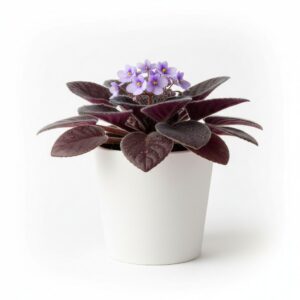
Lady Slipper Orchids possess an undeniable charm that captivates plant enthusiasts. Their unique pouch-like flower, resembling a delicate slipper, is a striking feature, setting them apart from other orchids. The intricate patterns and vibrant colors of the petals add to their allure, making them a true showstopper in any collection. They bring a touch of exotic elegance to indoor spaces, and their relatively long-lasting blooms provide weeks of enjoyment.
These orchids also offer a rewarding challenge for plant lovers. Successfully cultivating a Lady Slipper Orchid is a testament to one's horticultural skills, and the satisfaction of witnessing its bloom is unparalleled. Beyond their aesthetic appeal, they are an excellent conversation starter.
The Story
Lady Slipper Orchids, belonging to the Cypripedioideae subfamily, are native to various regions across the globe, including North America, Europe, and Asia. Their natural habitat ranges from cool, temperate forests to boggy wetlands, depending on the species. These orchids have a rich history, with some species being prized for their medicinal properties in traditional medicine. They hold cultural significance in some communities, often symbolizing beauty, grace, and good fortune.
The name "Lady Slipper" aptly describes the flower's distinctive pouch, which acts as a trap for pollinators. These orchids have faced threats from habitat loss and over-collection in the wild, leading to conservation efforts to protect their populations. Their unique beauty and rarity have made them a sought-after species in the horticultural world, inspiring orchid enthusiasts and breeders alike.
Complete Care Guide
Caring for Lady Slipper Orchids requires attention to detail and mimicking their natural environment. Provide bright, indirect light, avoiding direct sunlight which can scorch the leaves. Maintain a moderate temperature range, ideally between 60-75°F (15-24°C). Water thoroughly when the potting mix is nearly dry, ensuring good drainage to prevent root rot. Use rainwater, distilled water, or reverse osmosis water.
Maintain high humidity levels, around 50-70%, by using a humidifier or placing the plant on a pebble tray. Fertilize regularly during the growing season (spring and summer) with a balanced orchid fertilizer diluted to half strength. Repot every 1-2 years into a well-draining orchid mix, such as a blend of bark, perlite, and sphagnum moss. Protect from pests like mealybugs and spider mites by inspecting regularly and treating promptly.
Light Requirements
Lady Slipper Orchids thrive in bright, indirect light. Avoid exposing them to direct sunlight, which can burn their delicate leaves. An east-facing window is often ideal, providing gentle morning sun. A north-facing window can also work, but supplemental lighting may be necessary, especially during winter months.
If you're using artificial lighting, provide 12-14 hours of light per day. The leaves should be a healthy green color; if they are too dark, the plant is not getting enough light, and if they are reddish or yellow, it is getting too much. Rotate the plant regularly to ensure even light exposure on all sides.
Seasonal Care
Spring
Repot if needed. Increase watering and fertilization as the plant enters its active growing season. Provide bright, indirect light. Monitor for pests and diseases.
Summer
Maintain consistent watering and fertilization. Provide high humidity. Protect from direct sunlight. Ensure good air circulation.
Fall
Reduce watering and fertilization as the plant enters dormancy. Provide bright, indirect light. Maintain adequate humidity.
Winter
Water sparingly. Avoid fertilizing. Maintain adequate humidity. Provide supplemental lighting if necessary.
The Life of Your Lady Slipper Orchid
Seedling / Juvenile
Provide high humidity for seedlings. Keep the potting mix consistently moist, but not soggy. Use a very diluted fertilizer solution. Ensure adequate air circulation to prevent fungal diseases. Monitor closely for any signs of pests or diseases.
Adolescent
Increase light levels gradually as the plant matures. Begin feeding with a balanced orchid fertilizer at half strength. Repot into a larger container as needed. Continue to provide high humidity and good air circulation.
Mature
Provide bright, indirect light to encourage blooming. Maintain consistent watering and fertilization. Monitor for pests and diseases. Support the flower spike if necessary. Enjoy the beautiful blooms!
Established
Reduce watering and fertilization after blooming. Allow the plant to rest and conserve energy. Maintain adequate humidity and air circulation. Monitor for any signs of stress or disease. Prepare for the next blooming cycle.
Propagation Guide
Lady Slipper Orchids are best propagated through division, a process best performed during repotting in the spring. Carefully remove the plant from its pot and gently separate the rhizome into sections, ensuring each section has at least two or three growths (leaves and roots). Allow the cut surfaces to callus over for a day or two to prevent rot.
Plant each division in its own pot filled with a well-draining orchid mix. Water thoroughly and keep the potting mix consistently moist, but not soggy. Maintain high humidity levels and provide bright, indirect light. Avoid fertilizing for the first few weeks to allow the roots to establish. Keiki production is rare, but if a keiki appears, treat it like a division once it has developed its own roots. Stem cuttings are not a viable propagation method for Lady Slipper Orchids.
Expert Knowledge
Lady Slipper Orchids are mycorrhizal, meaning they form a symbiotic relationship with fungi in the soil. This relationship is crucial for nutrient uptake, particularly in seedlings. When repotting, consider adding a mycorrhizal inoculant to the potting mix. Some species require a period of cold dormancy to induce blooming. Research the specific requirements of your Lady Slipper Orchid variety for optimal care. Avoid using tap water, as the high mineral content can damage the roots.
Troubleshooting
Yellow leaves
Overwatering is a common cause. Allow the potting mix to dry out slightly between waterings. Check for root rot. Ensure good drainage.
Brown leaf edges
Low humidity is a likely culprit. Increase humidity by using a humidifier or pebble tray. Avoid drafts. Check for salt buildup from fertilizer.
Drooping leaves
Underwatering can cause drooping. Water thoroughly when the potting mix is nearly dry. Check for root problems. Ensure adequate drainage.
Root rot
Overwatering and poor drainage are the main causes. Repot into fresh, well-draining orchid mix. Remove any rotted roots. Improve drainage.
Pests
Mealybugs and spider mites are common pests. Isolate the plant. Treat with insecticidal soap or neem oil. Increase humidity.
Frequently Asked Questions
What are the ideal light conditions?
Lady Slipper Orchids need bright, indirect light. Avoid direct sunlight, which can scorch the leaves.
How often should I water?
Water thoroughly when the potting mix is nearly dry. Ensure good drainage to prevent root rot. Use rainwater or distilled water.
When should I repot?
Repot every 1-2 years in spring. Use a well-draining orchid mix. Choose a pot slightly larger than the previous one.
Is it toxic to pets?
Lady Slipper Orchids are not considered highly toxic, but it's best to keep them out of reach of pets and children.
How big will it grow?
The size varies depending on the species, but most Lady Slipper Orchids grow to be 1-2 feet tall indoors.
Can I propagate at home?
Lady Slipper Orchids are best propagated through division during repotting in the spring.