
Birch Tree vs Heuchera Plant Comparison
Compare these two plants side by side — care needs, key differences, and which is right for your home.
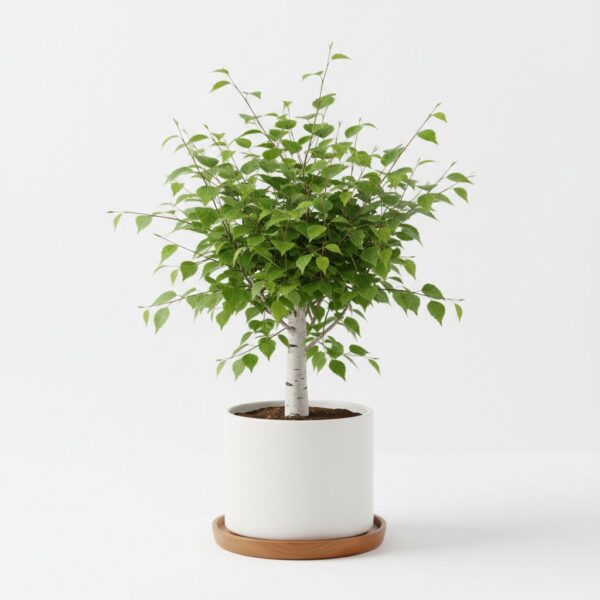
Birch Tree
Betula spp.
Birch trees are deciduous trees known for their distinctive bark, which is often white, silver, or copper-colored and peels in papery layers. They typically have slender, often weeping branches and triangular or ovate leaves that turn yellow in the fall. Birches are primarily outdoor trees, valued for their ornamental bark and graceful form in landscapes. They are not typically grown indoors due to their large size and high light requirements. Some dwarf varieties might be attempted indoors, but success is limited.

Heuchera
Heuchera spp.
Heuchera, commonly known as Coral Bells, are herbaceous perennials prized for their colorful and textured foliage. They form mounds of rounded, lobed leaves in a wide range of colors, from shades of green and purple to bronze, silver, and even orange. While they produce delicate, bell-shaped flowers on slender stalks, their primary appeal lies in their striking foliage. Heucheras are primarily outdoor plants, grown for adding color and texture to gardens, borders, and containers. They are not naturally indoor plants and can be challenging to maintain indoors long-term.
Quick Plant Comparison
| Feature | Birch Tree | Heuchera |
|---|---|---|
| Light | Full sun to partial shade outdoors. Extremely high light is needed for any indoor attempt. | Partial shade to full shade. Some cultivars can tolerate morning sun, but avoid intense afternoon sun, especially in warmer climates. |
| Watering | Outdoors: Weekly or bi-weekly, depending on rainfall. Indoors (if attempted): Every 2-5 days, adjusting to soil dryness. | Every 7-10 days, depending on environmental conditions and soil drainage. |
| Humidity | 30-50% | 40-60% |
| Temperature | 10-24°C | 10-24°C |
| Care Level | Expert | Expert |
| Growth Rate | Fast | Moderate |
| Max Height | Indoors: Rarely exceeds 2-3 meters in a container (dwarf varieties only). Outdoors: 15-30 meters | 20-45 cm (outdoors, less likely indoors) |
| Pet Safety | ❌ Toxic To Pets | ❌ Toxic To Pets |
| Soil | Well-draining, slightly acidic soil. A mix of potting soil, peat moss, and perlite is suitable for container growing (if attempted indoors). | Well-draining soil rich in organic matter. A mix of potting soil, peat moss, and perlite is suitable. |
| Beginner Friendly | ❌ No | ❌ No |
| Weekly Maintenance | 30 minutes weekly (outdoor care) | 5-10 minutes weekly (outdoors) |
🔬 Botanical Information — Comparing These Plants
Birch Tree
| Scientific Name | Betula spp. |
|---|---|
| Family | Betulaceae |
| Native To | Northern Hemisphere, including North America, Europe, and Asia |
| Also Known As | Birch, Paper Birch, White Birch, River Birch, Yellow Birch |
| Leaves | Birch leaves are typically triangular or ovate in shape, with serrated edges. They are usually 5-10 cm long and 3-7 cm wide. The leaves are typically green in the spring and summer, turning yellow in the fall before dropping. |
| Flowers | Birch trees produce catkins, which are cylindrical flower clusters. Male catkins are long and pendulous, while female catkins are shorter and more upright. Flowering typically occurs in the spring before the leaves emerge. They rarely flower indoors. |
Heuchera
| Scientific Name | Heuchera spp. |
|---|---|
| Family | Saxifragaceae |
| Native To | North America |
| Also Known As | Coral Bells, Alumroot |
| Leaves | The leaves are typically rounded and lobed, resembling maple leaves. They come in a wide array of colors, including shades of green, purple, bronze, silver, and orange. The leaf texture can vary from smooth to slightly ruffled or veined. Leaf size ranges from 5-15 cm in diameter. |
| Flowers | Heuchera produces small, bell-shaped flowers on slender stalks that rise above the foliage. The flowers are typically white, pink, or red, but are not the main attraction of the plant. Flowering typically occurs in late spring to early summer. It is unlikely to flower indoors. |
📏 Size & Growth — Plant Comparison
Birch Tree
Heuchera
🌱 Propagation — Comparing Plant Growth
Birch Tree
Methods: Seed, softwood cuttings, layering
Difficulty: Moderate
Tips: Collect seeds in the fall and stratify them before sowing. Take softwood cuttings in late spring or early summer. Layering can be done in the spring or fall.
Heuchera
Methods: Division, Seed, Stem cuttings (less common)
Difficulty: Moderate
Tips: Division is the easiest method. Divide established clumps in spring or fall, ensuring each division has healthy roots and foliage. Replant immediately in well-draining soil.
✨ Benefits & Features — Comparing Plant Value
Birch Tree
Birch trees are known for their distinctive, peeling bark, which adds visual interest to the landscape year-round. The bark can range in color from white to silver to copper, depending on the species. Their graceful, often weeping branches and triangular leaves create a beautiful silhouette.
- ✓ Provides shade and shelter
- ✓ Enhances the aesthetic appeal of the landscape
- ✓ Supports local wildlife
- ✓ Offers seasonal interest with its changing foliage
- ✓ Can be a focal point in the garden
- ⚠️ Toxic to pets
Heuchera
Heuchera's primary appeal lies in its diverse foliage colors and textures, offering a wide range of options for garden design. Unlike many flowering perennials, the foliage provides year-round interest, even when the plant is not in bloom. The plant's ability to thrive in shady conditions makes it a valuable addition to gardens where other plants struggle.
- ✓ Adds vibrant color and texture to shady garden areas.
- ✓ Attracts pollinators like bees and butterflies.
- ✓ Deer-resistant, protecting your garden from damage.
- ✓ Low-maintenance once established.
- ✓ Provides year-round visual interest with its evergreen or semi-evergreen foliage.
- ⚠️ Toxic to pets
📅 Maintenance Schedule — Plant Care Comparison
Birch Tree
Heuchera
🌞 Light Requirements
Birch Tree
Full sun to partial shade outdoors. Extremely high light is needed for any indoor attempt.
Low light tolerant: ❌ No
Heuchera
Partial shade to full shade. Some cultivars can tolerate morning sun, but avoid intense afternoon sun, especially in warmer climates.
Low light tolerant: ❌ No
💧 Watering Needs
Birch Tree
Outdoors, water regularly, especially during dry periods, until established. Indoors (if attempted), keep soil consistently moist but not waterlogged. Check soil moisture regularly. Overwatering can lead to root rot, while underwatering can cause leaf drop and branch dieback.
Heuchera
Water thoroughly when the top inch of soil feels dry to the touch. Avoid overwatering, as this can lead to root rot. Ensure good drainage. Reduce watering during the dormant season. Signs of overwatering include yellowing leaves and a mushy base. Underwatered plants will have dry, crispy leaves.
🌡️ Temperature & Humidity
Birch Tree
Temperature: 10-24°C
Humidity: 30-50%
Heuchera
Temperature: 10-24°C
Humidity: 40-60%
🤔 Which Plant Is Right For You?
Birch Tree
Betula spp.Landscapers and gardeners with ample outdoor space and suitable climate conditions.
✅ Choose This Plant If...
- You have a large outdoor space and want a beautiful specimen tree with unique bark.
- You appreciate the graceful form and seasonal color of birch trees.
- You want to attract wildlife to your garden.
- You live in a climate with cool summers and cold winters.
- You are an experienced gardener looking for a rewarding challenge.
❌ Skip This Plant If...
- You have limited space, especially indoors.
- You are a beginner gardener.
- You have pets that might ingest the plant.
- You live in a hot, dry climate.
- You cannot provide the high light requirements.
Heuchera
Heuchera spp.Gardeners looking to add colorful foliage and texture to shaded areas of their outdoor garden.
✅ Choose This Plant If...
- You want a plant with colorful foliage that adds interest to a shady garden area.
- You need a deer-resistant plant.
- You want to attract pollinators to your garden.
- You are looking for a low-maintenance perennial for your outdoor space.
- You want a plant that can tolerate a variety of soil conditions.
❌ Skip This Plant If...
- You are looking for an easy-to-grow indoor plant.
- You do not have a shaded outdoor area.
- You have pets that might ingest the plant.
🎯 Quick Verdict
⚡ Key Differences Between These Plants
Birch Tree has fast growth, while Heuchera grows moderate.
💡 Pro Tips For Comparing These Plants
Birch Tree Care Tips
Birch trees are best suited for outdoor environments. Indoor cultivation is extremely challenging due to high light, humidity, and space requirements. Dwarf varieties might be attempted, but success is not guaranteed. Consistent moisture and well-draining soil are crucial.
- Plant in well-draining soil to prevent root rot.
- Water deeply and regularly, especially during dry periods.
- Protect young trees from deer and other herbivores.
- Monitor for pests and diseases and treat promptly.
- Prune in late winter or early spring to maintain shape and remove dead or damaged branches.
Heuchera Care Tips
Heuchera are primarily outdoor plants and are challenging to grow indoors due to their need for specific light and temperature conditions. They require well-draining soil, consistent moisture, and protection from intense sunlight. Indoor cultivation often leads to leggy growth, faded foliage color, and increased susceptibility to pests and diseases.
- Plant in well-draining soil to prevent root rot.
- Provide shade during the hottest part of the day to prevent leaf scorch.
- Mulch around the base of the plant to retain moisture and suppress weeds.
- Divide established clumps every 2-3 years to maintain vigor.
- Monitor for pests and diseases and treat promptly.
⚠️ Common Problems & Solutions — Plant Care Comparison
Birch Tree
Heuchera
❓ Frequently Asked Questions — Comparing These Plants
Birch Tree
What are the light requirements for Birch Tree?
Birch trees thrive in bright, indirect light. Insufficient light can lead to leggy growth and yellowing leaves. Direct sunlight, especially during the hottest parts of the day, can scorch the delicate foliage.
How do I care for Birch Tree?
To successfully grow a birch tree indoors, it’s crucial to provide the right conditions.
How do I propagate Birch Tree?
Birch trees can be propagated through stem cuttings or air layering.
Heuchera
What are the light requirements for Heuchera?
Heucheras thrive in partial shade, which means they need about 4-6 hours of indirect sunlight per day. Morning sun is generally preferable to harsh afternoon sun, which can scorch the leaves. In hotter climates, providing shade during the hottest part of the day is crucial. In cooler regions, Heucheras can tolerate more sun, but still benefit from some afternoon shade. Insufficient light can result in faded foliage and reduced flowering. Conversely, too much direct sun can cause leaf burn and stress the plant. When planting Heucheras, consider the amount of sunlight your garden receives and choose a location that provides the right balance.
How do I care for Heuchera?
Heucheras thrive in well-draining soil that is rich in organic matter. Water moderately, allowing the soil to dry slightly between waterings. Avoid overwatering, as this can lead to root rot. Fertilize in spring with a balanced, slow-release fertilizer to promote healthy growth and flowering. Heucheras prefer partial shade, especially in hot climates, but can tolerate more sun in cooler regions. Deadhead spent flower spikes to encourage continued blooming. Mulch around the base of the plant to retain moisture and suppress weeds. Divide established plants every few years to rejuvenate them and prevent overcrowding. Monitor for pests such as slugs and vine weevils, and treat as necessary. Provide winter protection in colder climates to prevent frost damage.
How do I propagate Heuchera?
Heucheras can be propagated through division, stem cuttings, and keiki (small plantlets that form on the flower spikes). For division, carefully dig up an established plant in early spring or fall. Gently separate the root ball into smaller sections, ensuring each section has healthy roots and foliage. Replant the divisions in well-draining soil. For stem cuttings, take cuttings in spring or early summer. Remove the lower leaves and dip the cut end in rooting hormone. Plant the cutting in a well-draining potting mix and keep it moist until roots develop. For keiki, carefully remove the plantlet from the flower spike and plant it in a small pot filled with well-draining soil. Keep the soil moist until the keiki is established.
Last updated: April 24, 2026 — Plant care data reviewed and verified by our editorial team.