
Why You'll Love It
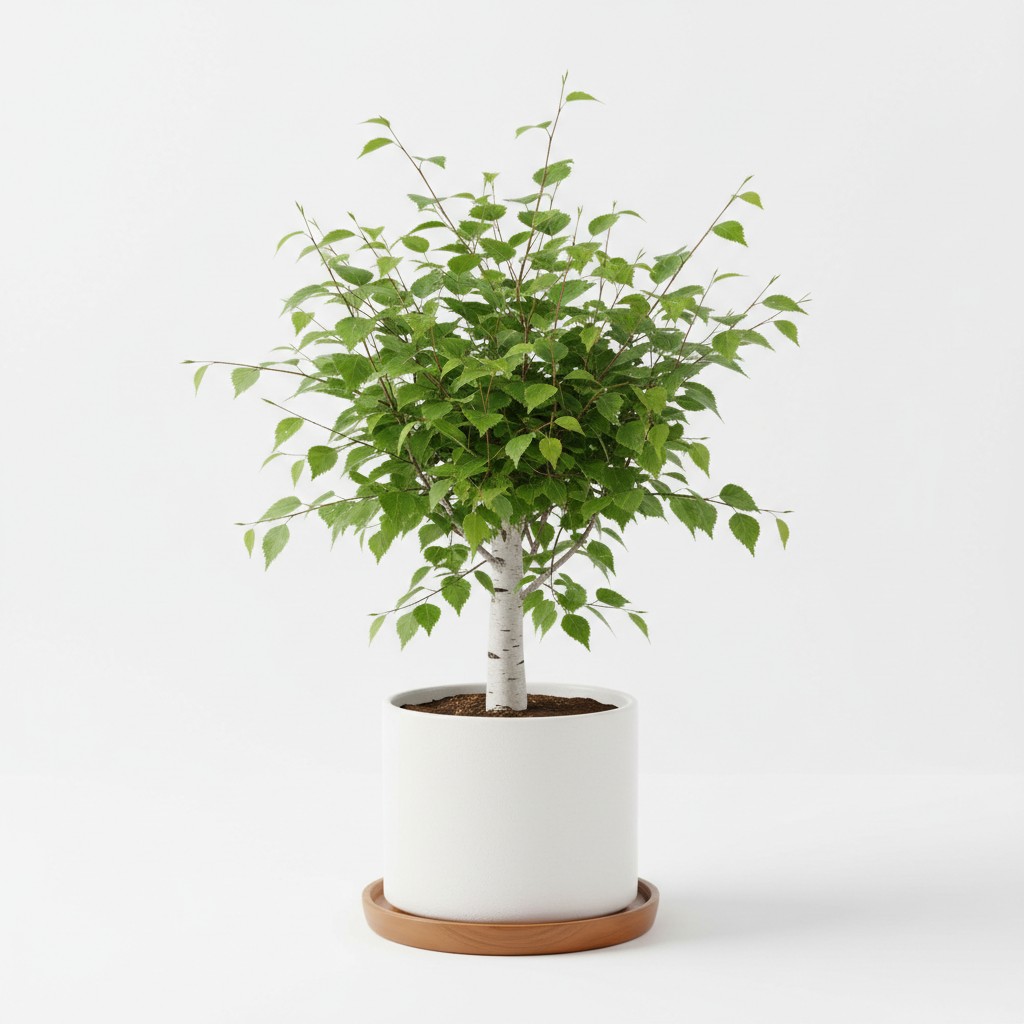
Birch trees bring a touch of the serene, snowy forest indoors, captivating plant lovers with their elegant, often white, peeling bark and delicate foliage. Their graceful form adds a unique architectural element to any room. Their ability to purify the air is another reason to adore them.
While traditionally outdoor trees, certain cultivars can thrive indoors with proper care, offering a distinctive, natural beauty unlike any other houseplant. The soft, dappled light filtering through their leaves creates a calming atmosphere, making them a perfect addition to living spaces. Their relatively low maintenance needs, once established, further enhance their appeal.
Ultimately, Birch trees offer a striking visual statement, bringing the tranquility and beauty of nature into your home.
The Story
Birch trees (Betula spp.) are native to temperate regions of the Northern Hemisphere, including North America, Europe, and Asia. They have a long history, dating back to ancient times, and have been used for various purposes, from building materials to medicinal remedies.
In many cultures, birch trees symbolize new beginnings, purification, and protection. The Celts associated birch with the letter B (Beith) and considered it a sacred tree. In Slavic folklore, birch trees were believed to possess protective powers and were often planted near homes to ward off evil spirits. Native American tribes utilized birch bark for canoes, baskets, and even writing surfaces. Today, birch trees continue to be valued for their beauty and versatility, both in natural landscapes and as ornamental trees in gardens and, increasingly, as unique indoor specimens. Careful selection of dwarf varieties makes indoor cultivation feasible.
Complete Care Guide
To successfully grow a birch tree indoors, it's crucial to provide the right conditions.
Light: Bright, indirect light is essential. Avoid direct sunlight, which can scorch the leaves.
Watering: Keep the soil consistently moist but not soggy. Water when the top inch of soil feels dry. Ensure good drainage to prevent root rot.
Humidity: Birch trees prefer moderate to high humidity. Use a humidifier or place the pot on a pebble tray filled with water.
Temperature: Maintain a temperature between 60-75°F (15-24°C).
Soil: Use a well-draining potting mix that retains some moisture.
Fertilizing: Feed with a balanced liquid fertilizer every 2-4 weeks during the growing season (spring and summer). Reduce or stop fertilizing in the fall and winter.
Pruning: Prune lightly to maintain shape and remove any dead or damaged branches.
Potting: Repot every 1-2 years, or when the plant becomes root-bound, into a slightly larger pot with fresh potting mix.
Pest Control: Regularly inspect for pests such as spider mites or aphids and treat promptly with insecticidal soap or neem oil. Ensure good air circulation.
Light Requirements
Birch trees thrive in bright, indirect light. Insufficient light can lead to leggy growth and yellowing leaves. Direct sunlight, especially during the hottest parts of the day, can scorch the delicate foliage.
Place your indoor birch tree near an east- or west-facing window where it will receive plenty of light without being exposed to harsh, direct rays. If you only have a south-facing window, use a sheer curtain to filter the light. Rotate the plant regularly to ensure even growth on all sides. If natural light is limited, consider supplementing with a grow light to provide the necessary illumination.
Seasonal Care
Spring
In spring, increase watering and begin fertilizing every 2-4 weeks. Repot if necessary. Monitor for pests. Provide ample light to encourage new growth.
Summer
Continue regular watering and fertilizing. Protect from intense direct sunlight. Maintain good air circulation. Monitor for pests and diseases.
Fall
Reduce watering and stop fertilizing. Remove any dead or yellowing leaves. Prepare for cooler temperatures and lower light levels.
Winter
Water sparingly. Ensure adequate humidity. Provide supplemental light if needed. Protect from drafts and sudden temperature changes.
The Life of Your Birch Tree
Seedling / Juvenile
Young birch trees require consistent moisture and protection from direct sunlight. Keep the soil consistently moist but not soggy. Provide bright, indirect light. Use a small pot that is proportionate to the seedling's size.
Adolescent
As the birch tree grows, gradually increase the pot size as needed. Continue to provide bright, indirect light and consistent moisture. Monitor for pests and diseases. Prune lightly to maintain shape.
Mature
Mature birch trees require less frequent repotting but still benefit from regular fertilization and pruning. Monitor for signs of stress, such as yellowing or browning leaves. Maintain stable environmental conditions.
Established
Established birch trees are relatively low-maintenance. Continue to provide adequate light, water, and fertilization. Prune as needed to maintain shape and remove any dead or damaged branches. Check for pests regularly.
Propagation Guide
Birch trees can be propagated through stem cuttings or air layering.
Stem Cuttings:
1. Take a 4-6 inch cutting from a healthy stem in spring or early summer.
2. Remove the lower leaves.
3. Dip the cut end in rooting hormone.
4. Plant the cutting in a pot filled with well-draining potting mix.
5. Cover the pot with a plastic bag or humidity dome to maintain moisture.
6. Place the pot in a warm, bright location (but not direct sunlight).
7. Keep the soil consistently moist.
8. Roots should develop in 4-8 weeks.
9. Once rooted, remove the plastic bag and care for the new plant as usual.
Air Layering:
1. Select a healthy stem.
2. Make a shallow cut in the stem, about halfway through.
3. Apply rooting hormone to the cut area.
4. Wrap the cut area with moist sphagnum moss.
5. Cover the moss with plastic wrap and secure it with tape.
6. Keep the moss moist.
7. Roots should develop in several weeks.
8. Once rooted, cut the stem below the rooted area and plant the new tree in a pot.
Expert Knowledge
Consider using a self-watering pot to help maintain consistent moisture levels. Regularly check the pH of the soil, which should be slightly acidic (around 6.0-6.5). Prune lightly in late winter or early spring to maintain shape and encourage branching. Rotate your birch tree regularly to ensure even growth on all sides. Birch trees are susceptible to certain fungal diseases, so ensure good air circulation and avoid overwatering. Indoor birch trees are unlikely to display the same vibrant bark colors as their outdoor counterparts due to the controlled environment.
Troubleshooting
Yellow leaves
Yellow leaves can be caused by overwatering, underwatering, nutrient deficiency, or insufficient light. Adjust your watering schedule, fertilize appropriately, and ensure the plant is receiving adequate light.
Brown leaf edges
Brown edges on leaves are often a sign of low humidity or inconsistent watering. Increase humidity by using a humidifier or pebble tray. Ensure consistent watering to prevent the soil from drying out completely.
Drooping leaves
Drooping can be caused by underwatering, root rot, or stress from environmental changes. Check the soil moisture and adjust your watering schedule accordingly. Ensure good drainage to prevent root rot. Provide stable conditions.
Root rot
Root rot is caused by overwatering and poor drainage. Repot the plant in fresh, well-draining soil. Remove any affected roots. Allow the soil to dry out slightly between waterings.
Pests
Common pests include spider mites, aphids, and scale. Treat infestations with insecticidal soap or neem oil. Ensure good air circulation to prevent pest problems.
Frequently Asked Questions
What are the ideal light conditions?
Birch trees need bright, indirect light. Avoid direct sunlight, which can scorch the leaves.
How often should I water?
Water when the top inch of soil feels dry. Ensure good drainage to prevent root rot.
When should I repot?
Repot every 1-2 years, or when the plant becomes root-bound, into a slightly larger pot.
Is it toxic to pets?
Birch trees are generally considered non-toxic to pets and children.
How big will it grow?
Indoor birch trees typically grow to a height of 3-6 feet, depending on the cultivar and growing conditions.
Can I propagate at home?
Yes, birch trees can be propagated at home using stem cuttings or air layering.


