
Bachelor's Button vs Cassia Plant Comparison
Compare these two plants side by side — care needs, key differences, and which is right for your home.
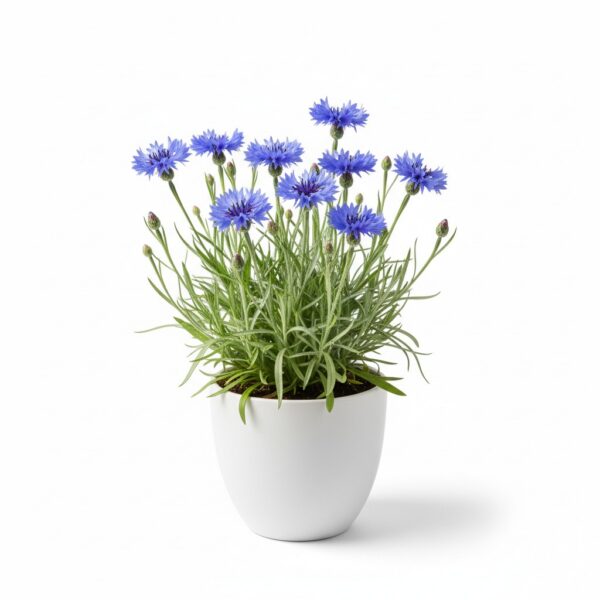
Bachelor's Button
Centaurea cyanus
Bachelor's Button, or Cornflower, is an annual plant typically grown outdoors for its vibrant blue, pink, white, or purple flowers. It features slender, grey-green leaves and an upright growth habit, reaching heights of 1 to 3 feet. While admired for its ornamental value and use in cut flower arrangements, it is primarily an outdoor plant that thrives in full sun. People grow it for its attractive flowers that attract pollinators and its ease of cultivation in gardens and fields.

Cassia
Senna spp. (formerly Cassia spp.)
Senna encompasses a diverse genus of flowering plants, ranging from small shrubs to medium-sized trees. Many species are known for their vibrant yellow flowers, often produced in large clusters, creating a visually striking display. The leaves are typically pinnately compound. While some species are cultivated for ornamental purposes, others have traditional medicinal uses. Senna plants are generally outdoor plants, thriving in warm climates with plenty of sunlight. Indoor cultivation is challenging due to their size and high light requirements.
Quick Plant Comparison
| Feature | Bachelor's Button | Cassia |
|---|---|---|
| Light | Full sun (at least 6 hours of direct sunlight daily) | Full sun (at least 6-8 hours of direct sunlight daily) |
| Watering | Every 7-10 days, depending on weather and soil drainage | Varies depending on climate and pot size, but typically every 1-2 weeks during the growing season. |
| Humidity | 30-50% | 40-60% |
| Temperature | 15-24°C | 18-30°C |
| Care Level | Expert | Expert |
| Growth Rate | Fast | Moderate To Fast |
| Max Height | Not typically grown indoors; outdoors 30-90 cm | Outdoor: Varies greatly by species, from 1-15 meters. Indoor: Highly unlikely to reach full size, but can reach 1-2 meters with difficulty. |
| Pet Safety | ❌ Toxic To Pets | ❌ Toxic To Pets |
| Soil | Well-draining soil, sandy or loamy soil is ideal | Well-draining soil mix, such as a combination of potting soil, perlite, and sand. |
| Beginner Friendly | ❌ No | ❌ No |
| Weekly Maintenance | 5 minutes weekly (deadheading, watering) | 30 minutes weekly (including watering, fertilizing, and pruning) |
🔬 Botanical Information — Comparing These Plants
Bachelor's Button
| Scientific Name | Centaurea cyanus |
|---|---|
| Family | Asteraceae |
| Native To | Europe, though naturalized in many parts of the world |
| Also Known As | Cornflower, Bluebottle, Boutonniere Flower |
| Leaves | The leaves are slender, lance-shaped, and grey-green in color. They are typically 2-5 cm long and have a slightly hairy texture. |
| Flowers | It rarely flowers indoors. Outdoors, it produces vibrant blue, pink, white, or purple flowers. The flowers are typically 2-4 cm in diameter and have a fringed appearance. |
Cassia
| Scientific Name | Senna spp. (formerly Cassia spp.) |
|---|---|
| Family | Fabaceae |
| Native To | Various species originate from tropical and subtropical regions worldwide, including the Americas, Africa, and Asia. |
| Also Known As | Senna, Cassia, Golden Shower Tree, Popcorn Cassia, Candle Bush |
| Leaves | Typically pinnately compound leaves, with multiple leaflets arranged along a central stem. Leaflet shape and size vary by species. The leaves are often a vibrant green color. |
| Flowers | Senna plants produce showy, often bright yellow flowers in clusters. Flowering typically occurs during the warmer months. Indoor flowering is rare. |
📏 Size & Growth — Plant Comparison
Bachelor's Button
Cassia
🌱 Propagation — Comparing Plant Growth
Bachelor's Button
Methods: Seed
Difficulty: Easy
Tips: Sow seeds directly into the garden in early spring or fall. Seeds need light to germinate, so do not cover them too deeply. Keep the soil moist until germination occurs.
Cassia
Methods: Seed, stem cuttings
Difficulty: Moderate
Tips: For seeds, scarify the seed coat and soak in warm water for 24 hours before planting. Stem cuttings should be taken from semi-hardwood growth and rooted in a well-draining medium.
✨ Benefits & Features — Comparing Plant Value
Bachelor's Button
Bachelor's Button is known for its vibrant blue flowers, although other colors are available. It is an annual plant that readily self-seeds, making it a reliable addition to the garden year after year. It is also attractive to pollinators, making it a valuable plant for supporting local ecosystems.
- ✓ Attracts pollinators to the garden
- ✓ Provides beautiful cut flowers
- ✓ Edible flowers for culinary use
- ✓ Adds vibrant color to outdoor spaces
- ✓ Easy to grow from seed outdoors
- ⚠️ Toxic to pets
Cassia
Senna plants are known for their vibrant yellow flowers and their traditional medicinal uses. Many species were formerly classified under the genus Cassia, leading to some confusion in nomenclature.
- ✓ Provides vibrant color to the garden.
- ✓ Attracts pollinators like bees and butterflies.
- ✓ Can be used for traditional medicinal purposes (with caution).
- ✓ Offers shade in warm climates.
- ✓ Provides a sense of accomplishment for experienced gardeners.
- ⚠️ Toxic to pets
📅 Maintenance Schedule — Plant Care Comparison
Bachelor's Button
Cassia
🌞 Light Requirements
Bachelor's Button
Full sun (at least 6 hours of direct sunlight daily)
Low light tolerant: ❌ No
Cassia
Full sun (at least 6-8 hours of direct sunlight daily)
Low light tolerant: ❌ No
💧 Watering Needs
Bachelor's Button
Water thoroughly when the top inch of soil feels dry. Avoid overwatering, which can lead to root rot. In well-draining soil, water deeply but infrequently. Signs of underwatering include wilting and dry, crispy leaves. Overwatering symptoms include yellowing leaves and a soggy soil.
Cassia
Water thoroughly when the top inch of soil is dry. Allow the soil to dry out slightly between waterings. Overwatering can lead to root rot, while underwatering can cause leaf drop and stunted growth. Ensure good drainage.
🌡️ Temperature & Humidity
Bachelor's Button
Temperature: 15-24°C
Humidity: 30-50%
Cassia
Temperature: 18-30°C
Humidity: 40-60%
🤔 Which Plant Is Right For You?
Bachelor's Button
Centaurea cyanusGardeners who want to attract pollinators to their outdoor gardens.
✅ Choose This Plant If...
- You want to attract pollinators to your garden.
- You enjoy cut flowers and want to grow your own.
- You want a low-maintenance annual for a sunny spot.
- You want to add a splash of vibrant color to your garden.
- You enjoy edible flowers in salads or teas.
❌ Skip This Plant If...
- You have pets that might ingest the plant.
- You don't have a sunny outdoor space.
- You are looking for a low-maintenance indoor plant.
Cassia
Senna spp. (formerly Cassia spp.)Experienced gardeners in warm climates who want a vibrant flowering shrub or small tree for their outdoor space.
✅ Choose This Plant If...
- You live in a warm climate with plenty of sunshine and want a vibrant flowering plant for your garden.
- You are an experienced gardener looking for a challenging and rewarding plant to grow.
- You are interested in the traditional medicinal uses of Senna (under the guidance of a qualified herbalist).
- You have a large outdoor space that can accommodate the plant's mature size.
- You are prepared to provide the plant with the specific care it needs, including full sun and well-draining soil.
❌ Skip This Plant If...
- You live in a cold climate with limited sunlight.
- You have pets or small children who may be at risk of poisoning.
- You are a beginner gardener looking for an easy-to-care-for plant.
- You have limited space and cannot accommodate the plant's mature size.
- You are not prepared to provide the plant with the specific care it needs.
🎯 Quick Verdict
⚡ Key Differences Between These Plants
Bachelor's Button needs full sun (at least 6 hours of direct sunlight daily), while Cassia prefers full sun (at least 6-8 hours of direct sunlight daily).
Bachelor's Button has fast growth, while Cassia grows moderate to fast.
💡 Pro Tips For Comparing These Plants
Bachelor's Button Care Tips
Bachelor's Button is primarily an outdoor plant and is challenging to grow indoors due to its high light requirements. It needs full sun and well-draining soil. Indoor cultivation requires supplemental lighting and careful watering to prevent fungal diseases. It is best suited for outdoor gardens.
- Sow seeds directly in the garden in early spring or fall.
- Choose a location with full sun and well-draining soil.
- Water regularly, especially during dry periods.
- Deadhead spent flowers to encourage more blooms.
- Protect from strong winds.
Cassia Care Tips
Senna plants are primarily outdoor plants that require full sun and well-draining soil. Indoor cultivation is extremely challenging due to their high light requirements and potential size. They are also toxic to pets, making them unsuitable for households with animals. Requires careful monitoring of watering and fertilization.
- Provide full sun for optimal flowering.
- Ensure well-draining soil to prevent root rot.
- Water deeply but infrequently, allowing the soil to dry out slightly between waterings.
- Fertilize regularly during the growing season.
- Prune after flowering to maintain shape and encourage new growth.
⚠️ Common Problems & Solutions — Plant Care Comparison
Bachelor's Button
Cassia
❓ Frequently Asked Questions — Comparing These Plants
Bachelor's Button
What are the light requirements for Bachelor's Button?
Bachelor’s Buttons require at least 6-8 hours of direct sunlight each day to thrive. Insufficient light can result in leggy growth, fewer blooms, and pale foliage. Choose a location in your garden that receives full sun throughout the day. If growing indoors, place them near a south-facing window where they can receive ample sunlight.
How do I care for Bachelor's Button?
Bachelor’s Buttons thrive in full sun and well-drained soil. Water regularly, especially during dry periods, but avoid overwatering to prevent root rot. Fertilize with a balanced, slow-release fertilizer in spring to encourage abundant blooms. Deadhead spent flowers regularly to promote continuous flowering throughout the season. These plants are relatively cold-hardy but may benefit from a layer of mulch in colder climates.
How do I propagate Bachelor's Button?
Bachelor’s Buttons are primarily propagated by seed. Allow some flowers to go to seed and collect the seeds once they are dry. Sow the seeds in spring or fall in well-drained soil. Keep the soil consistently moist until germination. Thin seedlings to ensure proper spacing.
Cassia
What are the light requirements for Cassia?
Cassia thrives in bright, indirect light. A south-facing or west-facing window with filtered light is ideal. Insufficient light can result in leggy growth and reduced flowering. If natural light is limited, supplement with grow lights, positioning them 6-12 inches above the plant. Rotate the plant regularly to ensure even light exposure on all sides. Avoid direct sunlight, especially during the hottest part of the day, as it can scorch the leaves. Signs of inadequate light include pale leaves, elongated stems, and a lack of blooms. Adjust the plant’s location or supplement with artificial light accordingly.
How do I care for Cassia?
Caring for Cassia as an indoor tree involves providing it with ample bright, indirect light; direct sunlight can scorch the leaves. Water thoroughly when the top inch of soil feels dry, ensuring proper drainage to prevent root rot. Maintain a moderate humidity level, especially during winter when indoor air tends to be drier. Fertilize monthly during the growing season (spring and summer) with a balanced liquid fertilizer. Prune regularly to maintain its shape and encourage bushier growth. Repot every 2-3 years, or when the plant becomes root-bound, using a well-draining potting mix. Monitor for pests and diseases, addressing any issues promptly. Avoid sudden changes in temperature or environment, as Cassia prefers stable conditions. Provide support if the branches become too heavy with blooms.
How do I propagate Cassia?
Cassia can be propagated through stem cuttings or air layering. For stem cuttings, take a 4-6 inch cutting from a healthy stem. Remove the lower leaves and dip the cut end in rooting hormone. Plant the cutting in a well-draining potting mix and keep it moist. For air layering, make a small cut in a stem and wrap it with moist sphagnum moss. Cover the moss with plastic wrap and secure it with tape. Once roots develop, cut the stem below the roots and plant it in a pot. Both methods require warm temperatures and high humidity. Success rates are higher in spring or early summer. Be patient, as rooting can take several weeks.
Last updated: May 4, 2026 — Plant care data reviewed and verified by our editorial team.