
Bachelor's Button vs Elder Plant Comparison
Compare these two plants side by side — care needs, key differences, and which is right for your home.
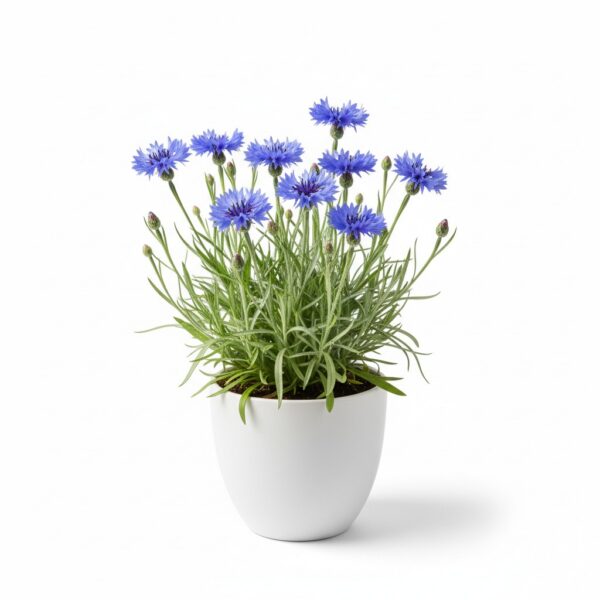
Bachelor's Button
Centaurea cyanus
Bachelor's Button, or Cornflower, is an annual plant typically grown outdoors for its vibrant blue, pink, white, or purple flowers. It features slender, grey-green leaves and an upright growth habit, reaching heights of 1 to 3 feet. While admired for its ornamental value and use in cut flower arrangements, it is primarily an outdoor plant that thrives in full sun. People grow it for its attractive flowers that attract pollinators and its ease of cultivation in gardens and fields.

Elder
Sambucus nigra
Sambucus nigra, commonly known as Elder or Elderberry, is a deciduous shrub or small tree typically growing to 5-10 meters tall. It features pinnately compound leaves and produces large, flat-topped clusters of creamy-white flowers in late spring to early summer, followed by clusters of small, dark purple to black berries in late summer. While primarily an outdoor plant, it is sometimes grown in large containers, though it requires significant space and is unlikely to thrive indoors long-term. People grow it for its ornamental value, edible berries (when cooked), and medicinal properties.
Quick Plant Comparison
| Feature | Bachelor's Button | Elder |
|---|---|---|
| Light | Full sun (at least 6 hours of direct sunlight daily) | Full sun to partial shade. Requires at least 6 hours of direct sunlight for optimal growth and berry production. |
| Watering | Every 7-10 days, depending on weather and soil drainage | Every 7-10 days during the growing season, less frequently in winter. |
| Humidity | 30-50% | 30-50% |
| Temperature | 15-24°C | 10-24°C |
| Care Level | Expert | Expert |
| Growth Rate | Fast | Fast |
| Max Height | Not typically grown indoors; outdoors 30-90 cm | 2-3 meters (indoors, unlikely to reach full outdoor size) |
| Pet Safety | ❌ Toxic To Pets | ❌ Toxic To Pets |
| Soil | Well-draining soil, sandy or loamy soil is ideal | Well-draining, fertile soil rich in organic matter. A slightly acidic to neutral pH (6.0-7.0) is ideal. |
| Beginner Friendly | ❌ No | ❌ No |
| Weekly Maintenance | 5 minutes weekly (deadheading, watering) | 30 minutes weekly (primarily for watering, pruning, and pest control) |
🔬 Botanical Information — Comparing These Plants
Bachelor's Button
| Scientific Name | Centaurea cyanus |
|---|---|
| Family | Asteraceae |
| Native To | Europe, though naturalized in many parts of the world |
| Also Known As | Cornflower, Bluebottle, Boutonniere Flower |
| Leaves | The leaves are slender, lance-shaped, and grey-green in color. They are typically 2-5 cm long and have a slightly hairy texture. |
| Flowers | It rarely flowers indoors. Outdoors, it produces vibrant blue, pink, white, or purple flowers. The flowers are typically 2-4 cm in diameter and have a fringed appearance. |
Elder
| Scientific Name | Sambucus nigra |
|---|---|
| Family | Adoxaceae |
| Native To | Europe, North Africa, Western Asia |
| Also Known As | Elder, Elderberry, Black Elder, European Elder |
| Leaves | The leaves are pinnately compound, with 5-9 leaflets. Each leaflet is oval to lance-shaped, with serrated edges and a dark green color. The leaves are typically 5-10 cm long. |
| Flowers | Elder produces large, flat-topped clusters of creamy-white flowers in late spring to early summer. The flower clusters are typically 10-20 cm in diameter and have a sweet, floral fragrance. Flowering is rare indoors. |
📏 Size & Growth — Plant Comparison
Bachelor's Button
Elder
🌱 Propagation — Comparing Plant Growth
Bachelor's Button
Methods: Seed
Difficulty: Easy
Tips: Sow seeds directly into the garden in early spring or fall. Seeds need light to germinate, so do not cover them too deeply. Keep the soil moist until germination occurs.
Elder
Methods: Stem cuttings, Seed, Layering
Difficulty: Moderate
Tips: Take softwood cuttings in late spring or hardwood cuttings in late fall. Rooting hormone can improve success. For seeds, cold stratification is required.
✨ Benefits & Features — Comparing Plant Value
Bachelor's Button
Bachelor's Button is known for its vibrant blue flowers, although other colors are available. It is an annual plant that readily self-seeds, making it a reliable addition to the garden year after year. It is also attractive to pollinators, making it a valuable plant for supporting local ecosystems.
- ✓ Attracts pollinators to the garden
- ✓ Provides beautiful cut flowers
- ✓ Edible flowers for culinary use
- ✓ Adds vibrant color to outdoor spaces
- ✓ Easy to grow from seed outdoors
- ⚠️ Toxic to pets
Elder
Elder is known for its dual purpose as both an ornamental plant and a source of edible and medicinal berries. Its distinctive flowers and berries make it easily recognizable.
- ✓ Edible berries (when cooked) for jams, pies, and wines.
- ✓ Medicinal properties (antiviral, anti-inflammatory).
- ✓ Attracts pollinators to the garden.
- ✓ Ornamental value with attractive flowers and foliage.
- ✓ Provides habitat for wildlife.
- ⚠️ Toxic to pets
📅 Maintenance Schedule — Plant Care Comparison
Bachelor's Button
Elder
🌞 Light Requirements
Bachelor's Button
Full sun (at least 6 hours of direct sunlight daily)
Low light tolerant: ❌ No
Elder
Full sun to partial shade. Requires at least 6 hours of direct sunlight for optimal growth and berry production.
Low light tolerant: ❌ No
💧 Watering Needs
Bachelor's Button
Water thoroughly when the top inch of soil feels dry. Avoid overwatering, which can lead to root rot. In well-draining soil, water deeply but infrequently. Signs of underwatering include wilting and dry, crispy leaves. Overwatering symptoms include yellowing leaves and a soggy soil.
Elder
Water deeply when the top inch of soil feels dry. Avoid overwatering, which can lead to root rot. During hot, dry periods, more frequent watering may be necessary. Reduce watering in the winter when the plant is dormant. Signs of overwatering include yellowing leaves and soggy soil. Underwatering is indicated by wilting and dry leaf edges.
🌡️ Temperature & Humidity
Bachelor's Button
Temperature: 15-24°C
Humidity: 30-50%
Elder
Temperature: 10-24°C
Humidity: 30-50%
🤔 Which Plant Is Right For You?
Bachelor's Button
Centaurea cyanusGardeners who want to attract pollinators to their outdoor gardens.
✅ Choose This Plant If...
- You want to attract pollinators to your garden.
- You enjoy cut flowers and want to grow your own.
- You want a low-maintenance annual for a sunny spot.
- You want to add a splash of vibrant color to your garden.
- You enjoy edible flowers in salads or teas.
❌ Skip This Plant If...
- You have pets that might ingest the plant.
- You don't have a sunny outdoor space.
- You are looking for a low-maintenance indoor plant.
Elder
Sambucus nigraExperienced gardeners with outdoor space who want to grow their own elderberries.
✅ Choose This Plant If...
- You have ample outdoor space and want to grow elderberries for culinary or medicinal purposes.
- You are an experienced gardener looking for a challenging and rewarding plant.
- You appreciate the ornamental value of the flowers and foliage.
- You want to attract pollinators to your garden.
- You are interested in a plant with a long history of traditional use.
❌ Skip This Plant If...
- You have limited space, especially indoors.
- You are a beginner gardener.
- You have pets or small children who might ingest toxic plant parts.
🎯 Quick Verdict
⚡ Key Differences Between These Plants
Both plants have similar basic care requirements but differ in appearance and specific needs. Compare plants carefully to find the best fit for your space.
💡 Pro Tips For Comparing These Plants
Bachelor's Button Care Tips
Bachelor's Button is primarily an outdoor plant and is challenging to grow indoors due to its high light requirements. It needs full sun and well-draining soil. Indoor cultivation requires supplemental lighting and careful watering to prevent fungal diseases. It is best suited for outdoor gardens.
- Sow seeds directly in the garden in early spring or fall.
- Choose a location with full sun and well-draining soil.
- Water regularly, especially during dry periods.
- Deadhead spent flowers to encourage more blooms.
- Protect from strong winds.
Elder Care Tips
Elder is primarily an outdoor plant and is challenging to grow indoors due to its need for full sun, large size, and dormancy requirements. It requires a very large container, careful watering, and attention to potential pest issues. Indoor growth is unlikely to be successful long-term.
- Provide full sun for optimal berry production.
- Ensure well-draining soil to prevent root rot.
- Prune annually to maintain shape and encourage fruiting.
- Protect from strong winds.
- Monitor for pests and diseases regularly.
⚠️ Common Problems & Solutions — Plant Care Comparison
Bachelor's Button
Elder
❓ Frequently Asked Questions — Comparing These Plants
Bachelor's Button
What are the light requirements for Bachelor's Button?
Bachelor’s Buttons require at least 6-8 hours of direct sunlight each day to thrive. Insufficient light can result in leggy growth, fewer blooms, and pale foliage. Choose a location in your garden that receives full sun throughout the day. If growing indoors, place them near a south-facing window where they can receive ample sunlight.
How do I care for Bachelor's Button?
Bachelor’s Buttons thrive in full sun and well-drained soil. Water regularly, especially during dry periods, but avoid overwatering to prevent root rot. Fertilize with a balanced, slow-release fertilizer in spring to encourage abundant blooms. Deadhead spent flowers regularly to promote continuous flowering throughout the season. These plants are relatively cold-hardy but may benefit from a layer of mulch in colder climates.
How do I propagate Bachelor's Button?
Bachelor’s Buttons are primarily propagated by seed. Allow some flowers to go to seed and collect the seeds once they are dry. Sow the seeds in spring or fall in well-drained soil. Keep the soil consistently moist until germination. Thin seedlings to ensure proper spacing.
Elder
What are the light requirements for Elder?
Elder trees thrive in bright, indirect light. While they can tolerate some direct morning sun, prolonged exposure to intense afternoon sun can scorch their delicate leaves. Place your indoor Elder near an east- or west-facing window where it will receive plenty of filtered sunlight. If you notice the leaves becoming pale or yellowing, it may be a sign that the plant is receiving too much direct light. Conversely, if the plant becomes leggy or the leaves lose their vibrancy, it may need more light. Supplement with a grow light if natural light is insufficient, especially during the darker winter months. Monitor the plant’s growth and adjust its placement as needed to ensure optimal light exposure.
How do I care for Elder?
Provide your indoor Elder tree with bright, indirect light. Too much direct sun can scorch the leaves. Water thoroughly when the top inch of soil feels dry, ensuring good drainage to prevent root rot. Use a well-draining potting mix formulated for trees or shrubs. Maintain a stable environment, avoiding sudden temperature fluctuations and drafts. Fertilize monthly during the growing season (spring and summer) with a balanced liquid fertilizer diluted to half strength. Prune regularly to maintain shape and size, removing any dead or damaged branches. Repot every 1-2 years, or when the plant becomes root-bound, into a slightly larger pot. Check regularly for pests and treat promptly. Provide adequate humidity, especially during dry winter months, by misting the plant or using a humidifier. Ensure the pot has drainage holes. Rotate the plant periodically to ensure even growth.
How do I propagate Elder?
Elder can be propagated through stem cuttings or air layering. For stem cuttings, take a 4-6 inch cutting from a healthy stem in spring or summer. Remove the lower leaves and dip the cut end in rooting hormone. Plant the cutting in moist, well-draining potting mix. Cover with a plastic bag to create a humid environment and keep in bright, indirect light. Roots should develop in a few weeks. For air layering, wound a section of stem and wrap it with moist sphagnum moss. Cover the moss with plastic wrap and secure it with tape. Keep the moss moist. Once roots have formed, cut the stem below the roots and plant in a pot. Ensure the pot is appropriately sized.
Last updated: May 14, 2026 — Plant care data reviewed and verified by our editorial team.