
Angelonia vs Lombardy Poplar Plant Comparison
Compare these two plants side by side — care needs, key differences, and which is right for your home.

Angelonia
Angelonia angustifolia
Angelonia angustifolia, commonly known as Summer Snapdragon, is a popular annual flowering plant prized for its continuous blooms throughout the warm season. It features upright, bushy growth with narrow, lance-shaped leaves. The flowers, resembling miniature snapdragons, come in various colors including purple, pink, white, and lavender. Primarily an outdoor plant, it thrives in sunny gardens and containers, adding vibrant color and attracting pollinators. People grow it for its long-lasting blooms, heat tolerance, and low maintenance requirements.
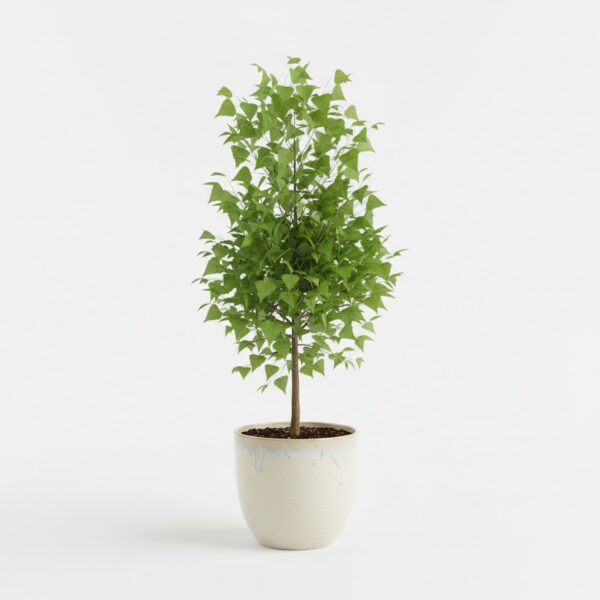
Lombardy Poplar
Populus nigra 'Italica'
The Lombardy Poplar is a fast-growing, deciduous tree characterized by its distinctive columnar or fastigiate growth habit. It reaches heights of 50-100 feet with a very narrow spread. Its branches grow almost vertically, creating a slender, spire-like silhouette. The leaves are diamond-shaped, finely toothed, and turn yellow in the fall. It is primarily grown outdoors as a landscape tree for its striking form and rapid growth, often used for screening or windbreaks. It is not suitable as an indoor plant.
Quick Plant Comparison
| Feature | Angelonia | Lombardy Poplar |
|---|---|---|
| Light | Full sun (at least 6 hours of direct sunlight daily) | Full sun (at least 6 hours of direct sunlight per day) |
| Watering | Every 2-3 days in hot weather, every 5-7 days in cooler weather, adjust based on soil dryness. | Once or twice a week during the growing season, less frequently during dormancy. |
| Humidity | 40-60% | 30-50% |
| Temperature | 18-27°C | 10-25°C |
| Care Level | Expert | Expert |
| Growth Rate | Moderate | Fast |
| Max Height | 0.3-0.6 meters (1-2 feet) | N/A (Outdoor tree, not suitable for indoor growing) |
| Pet Safety | ❌ Toxic To Pets | ❌ Toxic To Pets |
| Soil | Well-draining potting mix or garden soil amended with compost. | Well-drained soil; adaptable to various soil types, including clay, loam, and sand. |
| Beginner Friendly | ❌ No | ❌ No |
| Weekly Maintenance | 10 minutes weekly | 30 minutes monthly (pruning, watering, fertilizing) |
🔬 Botanical Information — Comparing These Plants
Angelonia
| Scientific Name | Angelonia angustifolia |
|---|---|
| Family | Plantaginaceae |
| Native To | Mexico and the West Indies |
| Also Known As | Summer Snapdragon, Angel Flower |
| Leaves | The leaves of Angelonia are narrow, lance-shaped, and typically 2-4 inches long. They are usually a medium green color and have a slightly glossy texture. |
| Flowers | Angelonia flowers profusely outdoors. The flowers are small, snapdragon-like, and arranged in spikes along the stems. They come in a variety of colors, including purple, pink, white, and lavender. It rarely flowers indoors due to light requirements. |
Lombardy Poplar
| Scientific Name | Populus nigra 'Italica' |
|---|---|
| Family | Salicaceae |
| Native To | Northern Italy |
| Also Known As | Lombardy Poplar, Italian Poplar, Pyramidal Poplar |
| Leaves | Diamond-shaped leaves with finely toothed margins. They are typically 2-4 inches long and a medium green color, turning yellow in the fall. |
| Flowers | Lombardy Poplars are dioecious (separate male and female trees). Flowers are catkins that appear in early spring before the leaves. Flowering is not significant from an ornamental perspective. |
📏 Size & Growth — Plant Comparison
Angelonia
Lombardy Poplar
🌱 Propagation — Comparing Plant Growth
Angelonia
Methods: Stem cuttings, Seed
Difficulty: Moderate
Tips: Take stem cuttings in spring or early summer. Remove lower leaves and dip the cut end in rooting hormone. Plant in moist potting mix and keep humid until roots develop. Seeds can be sown indoors 6-8 weeks before the last frost.
Lombardy Poplar
Methods: Stem cuttings, Root suckers
Difficulty: Moderate
Tips: Take hardwood cuttings in late winter or early spring. Root suckers can be dug up and transplanted in the dormant season.
✨ Benefits & Features — Comparing Plant Value
Angelonia
Angelonia stands out for its exceptional heat tolerance and extended blooming period, providing continuous color throughout the summer months. Its upright growth habit and snapdragon-like flowers make it a versatile addition to various garden settings.
- ✓ Attracts pollinators to the garden.
- ✓ Provides long-lasting color throughout the summer.
- ✓ Requires minimal maintenance once established.
- ✓ Tolerates heat and drought conditions.
- ✓ Can be used in a variety of garden settings.
- ⚠️ Toxic to pets
Lombardy Poplar
Its extremely narrow, columnar growth habit is its most distinguishing feature. This makes it ideal for creating screens or windbreaks in a limited space.
- ✓ Provides rapid screening and wind protection.
- ✓ Creates a strong vertical accent in the landscape.
- ✓ Offers shade during the summer months.
- ✓ Relatively drought-tolerant once established.
- ✓ Can help stabilize soil on slopes.
- ⚠️ Toxic to pets
📅 Maintenance Schedule — Plant Care Comparison
Angelonia
Lombardy Poplar
🌞 Light Requirements
Angelonia
Full sun (at least 6 hours of direct sunlight daily)
Low light tolerant: ❌ No
Lombardy Poplar
Full sun (at least 6 hours of direct sunlight per day)
Low light tolerant: ❌ No
💧 Watering Needs
Angelonia
Water thoroughly when the top inch of soil feels dry to the touch. Avoid overwatering, which can lead to root rot. Allow excess water to drain away. Signs of underwatering include wilting and dry, crispy leaves. Overwatering symptoms include yellowing leaves and a soggy soil.
Lombardy Poplar
Water deeply and regularly, especially during the first few years after planting, until established. Once established, it is relatively drought-tolerant but benefits from occasional watering during dry periods. Overwatering can lead to root rot, indicated by yellowing leaves and stunted growth. Underwatering results in wilting and leaf drop.
🌡️ Temperature & Humidity
Angelonia
Temperature: 18-27°C
Humidity: 40-60%
Lombardy Poplar
Temperature: 10-25°C
Humidity: 30-50%
🤔 Which Plant Is Right For You?
Angelonia
Angelonia angustifoliaGardeners looking for a heat-tolerant, long-blooming annual for sunny locations.
✅ Choose This Plant If...
- You want a plant that blooms continuously throughout the summer.
- You need a plant that can tolerate high heat and humidity.
- You want to attract butterflies and other pollinators to your garden.
- You are looking for a low-maintenance annual flower.
- You want a variety of colors to choose from for your garden design.
❌ Skip This Plant If...
- You have pets that might ingest the plant as it is toxic.
- You don't have a location that receives at least 6 hours of direct sunlight daily.
- You are looking for a plant that can thrive indoors without supplemental lighting.
Lombardy Poplar
Populus nigra 'Italica'Landowners seeking a fast-growing tree for screening, windbreaks, or creating a strong vertical element in the landscape.
✅ Choose This Plant If...
- You need a fast-growing screen or windbreak quickly.
- You want a strong vertical element in your landscape.
- You have a large property where it can grow to its full size.
- You are looking for a tree that provides shade in the summer.
- You live in a climate with full sun and well-drained soil.
❌ Skip This Plant If...
- You have a small yard or limited space.
- You live in an area prone to strong winds, as they can be susceptible to breakage.
- You have pets that might ingest the bark or leaves.
- You are looking for a low-maintenance tree.
- You want an indoor plant.
🎯 Quick Verdict
⚡ Key Differences Between These Plants
Angelonia needs full sun (at least 6 hours of direct sunlight daily), while Lombardy Poplar prefers full sun (at least 6 hours of direct sunlight per day).
Angelonia has moderate growth, while Lombardy Poplar grows fast.
💡 Pro Tips For Comparing These Plants
Angelonia Care Tips
Angelonia is primarily an outdoor plant and requires full sun to thrive. It can be challenging to grow indoors due to insufficient light. If attempting indoor cultivation, provide the brightest possible location and supplement with grow lights. Ensure well-draining soil and avoid overwatering.
- Deadhead spent flowers regularly to encourage continuous blooming.
- Water deeply but infrequently, allowing the soil to dry out slightly between waterings.
- Fertilize every 2-4 weeks with a balanced liquid fertilizer.
- Provide good air circulation to prevent powdery mildew.
- Protect from frost as it is an annual plant.
Lombardy Poplar Care Tips
Lombardy Poplars are outdoor trees requiring full sun and well-drained soil. They are not suitable for indoor growing due to their size and light requirements. Indoor attempts will result in a struggling, unhealthy plant. Requires regular pruning to maintain shape and remove dead or diseased branches.
- Plant in well-drained soil to prevent root rot.
- Water deeply and regularly during the first few years after planting.
- Prune regularly to maintain shape and remove dead or diseased branches.
- Fertilize in early spring before new growth begins.
- Monitor for pests and diseases and treat promptly.
⚠️ Common Problems & Solutions — Plant Care Comparison
Angelonia
Lombardy Poplar
❓ Frequently Asked Questions — Comparing These Plants
Angelonia
What are the light requirements for Angelonia?
Angelonia requires a minimum of six hours of direct sunlight per day to thrive and produce abundant blooms. Insufficient light can lead to leggy growth, reduced flowering, and paler foliage. When grown indoors, place Angelonia near a south-facing window or supplement with grow lights to ensure adequate light exposure. Rotate the plant regularly to promote even growth on all sides. In hot climates, some afternoon shade may be beneficial to prevent scorching of the leaves. Proper light is crucial for photosynthesis and overall plant health.
How do I care for Angelonia?
Angelonia thrives in full sun and well-draining soil. Water regularly, allowing the soil to dry slightly between waterings. Fertilize monthly with a balanced, slow-release fertilizer during the growing season to promote abundant blooms. Deadhead spent flowers to encourage continuous flowering. Prune lightly to maintain shape and remove any dead or damaged foliage. Protect from frost as Angelonia is sensitive to cold temperatures. Ensure good air circulation to prevent fungal diseases. Repot container-grown plants as needed, typically every one to two years. Monitor for pests and treat promptly if necessary. Providing these conditions will help your Angelonia flourish and provide a beautiful display of flowers.
How do I propagate Angelonia?
Angelonia can be propagated through stem cuttings. Take 4-6 inch cuttings from healthy stems, removing the lower leaves. Dip the cut end in rooting hormone and plant in a well-draining potting mix. Keep the soil consistently moist and provide bright, indirect light. Rooting typically occurs within a few weeks. Division is less common but can be done by carefully separating the root ball of a mature plant. Keiki propagation is not applicable to Angelonia.
Lombardy Poplar
What are the light requirements for Lombardy Poplar?
Lombardy Poplars thrive in bright, indirect light when grown indoors. A location near an east- or west-facing window is ideal, providing ample light without the harsh intensity of direct sun. Insufficient light can lead to leggy growth and reduced foliage density. If natural light is limited, supplement with artificial grow lights. Rotate the plant regularly to ensure even light exposure on all sides, preventing it from leaning towards the light source. Avoid placing the tree in dimly lit corners, as this will significantly hinder its growth and health.
How do I care for Lombardy Poplar?
Lombardy Poplars as indoor trees require specific care to thrive. Choose a large pot with drainage holes. Use well-draining potting mix. Water thoroughly when the top inch of soil is dry, ensuring excess water drains away. Provide bright, indirect light; direct sunlight can scorch the leaves. Maintain moderate humidity levels, using a humidifier if needed. Fertilize monthly during the growing season (spring/summer) with a balanced liquid fertilizer diluted to half strength. Prune regularly to maintain shape and remove any dead or damaged branches. Monitor for pests and diseases, addressing them promptly. Repot every 2-3 years as needed. Provide stable conditions and avoid sudden changes in temperature or humidity. Ensure adequate air circulation to prevent fungal issues.
How do I propagate Lombardy Poplar?
Lombardy Poplars can be propagated through stem cuttings or air layering. For stem cuttings, take a 6-8 inch cutting from a healthy stem. Remove the lower leaves and dip the cut end in rooting hormone. Plant the cutting in moist potting mix. Cover with a plastic bag to maintain humidity and place in a warm, bright location. For air layering, make a shallow cut on a healthy stem. Wrap the cut area with moist sphagnum moss and cover with plastic wrap. Secure the plastic wrap with tape. After several weeks, roots will form in the moss. Cut the stem below the roots and plant in a pot.
Last updated: May 14, 2026 — Plant care data reviewed and verified by our editorial team.