
Air Plant vs Myrtle Spurge Plant Comparison
Compare these two plants side by side — care needs, key differences, and which is right for your home.

Air Plant
Tillandsia spp.
Air plants are epiphytes, meaning they grow without soil, absorbing moisture and nutrients from the air through specialized structures called trichomes on their leaves. They come in various shapes and sizes, from small, spiky varieties to larger, cascading forms. Their leaves can be silvery-green, gray, or even reddish. Air plants are popular for their unique growth habit and low-maintenance care, making them ideal for displaying in terrariums, hanging planters, or mounted on driftwood. They are primarily outdoor plants but can be grown indoors with proper care.
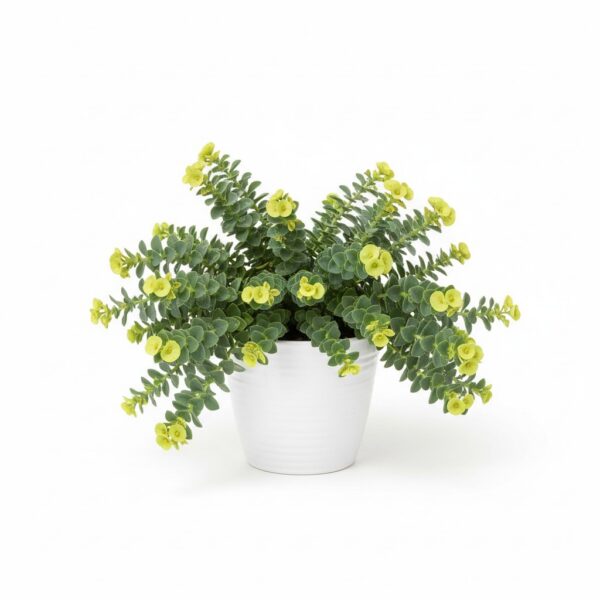
Myrtle Spurge
Euphorbia myrsinites
Myrtle Spurge is a succulent, low-growing perennial characterized by its sprawling habit and blue-gray, spirally arranged leaves. It typically reaches a height of 6-12 inches and spreads up to 24 inches wide. It is primarily grown as an ornamental ground cover in rock gardens or dry landscapes. It produces small, inconspicuous yellowish-green flowers in spring, followed by seed capsules. This plant is naturally an outdoor plant and struggles indoors due to its high light requirements and need for well-draining soil.
Quick Plant Comparison
| Feature | Air Plant | Myrtle Spurge |
|---|---|---|
| Light | Bright, indirect light. Some species can tolerate direct morning sun, but avoid intense afternoon sun. | Full sun to partial shade. Requires at least 6 hours of direct sunlight daily for optimal growth. |
| Watering | Every 1-2 weeks, more frequently in hot, dry environments. | Every 2-4 weeks, depending on weather and soil drainage. |
| Humidity | 40-60% | 20-40% |
| Temperature | 15-27°C | 15-25°C |
| Care Level | Easy | Expert |
| Growth Rate | Slow | Moderate |
| Max Height | Varies by species, typically 2-30 cm | 6-12 inches (outdoor) |
| Pet Safety | ✅ Safe | ❌ Toxic To Pets |
| Soil | Not applicable, as air plants do not grow in soil. | Well-draining, sandy or gravelly soil. Avoid heavy clay soils. |
| Beginner Friendly | ✅ Yes | ❌ No |
| Weekly Maintenance | 5 minutes weekly | 15 minutes monthly (weeding, pruning) |
🔬 Botanical Information — Comparing These Plants
Air Plant
| Scientific Name | Tillandsia spp. |
|---|---|
| Family | Bromeliaceae |
| Native To | Southern United States, Mexico, Central America, South America |
| Also Known As | Air Plant, Tillandsia |
| Leaves | Air plant leaves vary in shape and texture depending on the species. They can be thin and wiry, broad and flat, or even succulent-like. The leaves are typically covered in trichomes, small hairs that give them a silvery or grayish appearance. These trichomes help the plant absorb water and nutrients from the air. |
| Flowers | Air plants can flower indoors, but it's not guaranteed. The flowers are often small and colorful, ranging from purple and pink to red and yellow. After flowering, the plant will produce offsets, or pups, which can be separated to propagate new plants. |
Myrtle Spurge
| Scientific Name | Euphorbia myrsinites |
|---|---|
| Family | Euphorbiaceae |
| Native To | Mediterranean region (Southern Europe and North Africa) |
| Also Known As | Myrtle Spurge, Donkey Spurge, Creeping Spurge, Glaucous Spurge |
| Leaves | Succulent, blue-gray, lance-shaped leaves arranged in a spiral pattern around the stems. Leaves are typically 1-2 inches long. |
| Flowers | Produces small, inconspicuous yellowish-green flowers in spring. Rarely flowers indoors. |
📏 Size & Growth — Plant Comparison
Air Plant
Myrtle Spurge
🌱 Propagation — Comparing Plant Growth
Air Plant
Methods: Offsets (pups)
Difficulty: Easy
Tips: Wait until the pup is about 1/3 to 1/2 the size of the mother plant before separating it. Gently twist or cut the pup from the base of the mother plant.
Myrtle Spurge
Methods: Seed, Stem cuttings
Difficulty: Moderate
Tips: Take stem cuttings in spring or summer, allow the cut end to callous over for a few days, and then plant in well-draining soil. Wear gloves to avoid skin irritation from the sap.
✨ Benefits & Features — Comparing Plant Value
Air Plant
Air plants are epiphytes, meaning they don't need soil to grow. They absorb water and nutrients through their leaves. This unique adaptation allows them to thrive in various environments, making them versatile and interesting houseplants.
- ✓ Unique aesthetic appeal
- ✓ Low maintenance
- ✓ Space-saving
- ✓ Adds a touch of nature to indoor spaces
- ✓ Can be displayed in various creative ways
- 🐾 Pet Safe
Myrtle Spurge
The spirally arranged, blue-gray leaves give it a distinctive appearance. The milky sap is toxic and can cause skin irritation.
- ✓ Drought tolerance reduces water usage.
- ✓ Provides visual interest with its unique foliage.
- ✓ Low maintenance once established.
- ✓ Attracts pollinators.
- ✓ Controls erosion on slopes.
- ⚠️ Toxic to pets
📅 Maintenance Schedule — Plant Care Comparison
Air Plant
Myrtle Spurge
🌞 Light Requirements
Air Plant
Bright, indirect light. Some species can tolerate direct morning sun, but avoid intense afternoon sun.
Low light tolerant: ❌ No
Myrtle Spurge
Full sun to partial shade. Requires at least 6 hours of direct sunlight daily for optimal growth.
Low light tolerant: ❌ No
💧 Watering Needs
Air Plant
Submerge the entire plant in water for 15-30 minutes. Allow the plant to dry completely upside down to prevent rot. Signs of underwatering include shriveled or brittle leaves. Overwatering can lead to rot, indicated by brown or black spots at the base of the plant.
Myrtle Spurge
Water deeply but infrequently, allowing the soil to dry out completely between waterings. Overwatering can lead to root rot. Signs of underwatering include shriveled leaves. Signs of overwatering include yellowing leaves and a mushy stem.
🌡️ Temperature & Humidity
Air Plant
Temperature: 15-27°C
Humidity: 40-60%
Myrtle Spurge
Temperature: 15-25°C
Humidity: 20-40%
🤔 Which Plant Is Right For You?
Air Plant
Tillandsia spp.People who want a low-maintenance, unique plant that doesn't require soil.
✅ Choose This Plant If...
- You want a plant that doesn't need soil.
- You are looking for a low-maintenance plant.
- You want a unique and interesting plant to display.
- You have limited space.
- You want to add a touch of nature to your home without the mess of soil.
❌ Skip This Plant If...
- You tend to overwater plants.
- You cannot provide adequate light.
- You live in a very dry environment and are not willing to mist regularly.
Myrtle Spurge
Euphorbia myrsinitesExperienced gardeners looking for a drought-tolerant ground cover in sunny, well-drained locations.
✅ Choose This Plant If...
- You need a drought-tolerant ground cover for a sunny area.
- You appreciate the unique blue-gray foliage.
- You are an experienced gardener familiar with handling toxic plants.
- You want a low-maintenance plant once established.
- You have a rock garden or xeriscape landscape.
❌ Skip This Plant If...
- You have pets or small children who may ingest the plant.
- You are a beginner gardener.
- You do not have a sunny outdoor space.
- You are sensitive to latex or have skin allergies.
🎯 Quick Verdict
⚡ Key Differences Between These Plants
Air Plant is rated Easy care level, while Myrtle Spurge is Expert.
Air Plant has slow growth, while Myrtle Spurge grows moderate.
💡 Pro Tips For Comparing These Plants
Air Plant Care Tips
Air plants are relatively easy to care for, requiring no soil and minimal watering. The main challenge is providing adequate light and humidity, especially indoors. Proper drying after watering is crucial to prevent rot. They thrive in bright, indirect light and benefit from occasional fertilization.
- Soak your air plant in water for 15-30 minutes every 1-2 weeks.
- Always dry your air plant upside down after watering to prevent rot.
- Provide bright, indirect light for optimal growth.
- Fertilize your air plant with a diluted bromeliad fertilizer every month during the growing season.
- Mist your air plant occasionally, especially in dry environments.
Myrtle Spurge Care Tips
Myrtle Spurge is an outdoor plant that requires full sun and well-draining soil. It is not suitable for indoor growing due to its high light requirements and potential for toxicity. It is drought-tolerant and relatively low-maintenance once established, but requires careful handling due to its toxic sap.
- Always wear gloves and eye protection when handling Myrtle Spurge.
- Remove seed heads to prevent unwanted spread.
- Ensure excellent drainage to prevent root rot.
- Water deeply but infrequently.
- Provide full sun for optimal growth and color.
⚠️ Common Problems & Solutions — Plant Care Comparison
Air Plant
Myrtle Spurge
❓ Frequently Asked Questions — Comparing These Plants
Air Plant
What are the light requirements for Air Plant?
Air Plants need bright, indirect light to thrive. They can tolerate some direct morning or late afternoon sun, but avoid intense midday sun, which can burn their leaves. An east-facing window is often ideal. If your Air Plant is kept indoors, consider supplementing with a grow light, especially during the darker months. Signs of insufficient light include pale leaves and stunted growth. If the leaves turn reddish or brown, it could indicate too much direct sun. Place your Air Plant a few feet away from a sunny window or use a sheer curtain to filter the light. Proper lighting is crucial for photosynthesis and overall health.
How do I care for Air Plant?
Air Plants require bright, indirect light and good air circulation. Water them by soaking them in a bowl of water for 15-30 minutes every 1-2 weeks, depending on the humidity and temperature. After soaking, gently shake off any excess water and allow them to dry upside down to prevent rot. Mist your Air Plants in between soakings, especially in dry environments. Fertilize them sparingly with a bromeliad fertilizer diluted to half strength, adding it to the soaking water every month or two during the growing season. Avoid direct sunlight, which can scorch the leaves. Ensure good air circulation to prevent fungal growth. With proper care, your Air Plants will thrive and may even produce beautiful blooms. Regular observation is key to understanding your plant’s specific needs.
How do I propagate Air Plant?
Air Plants are primarily propagated by pups, which are offsets that grow from the base of the mother plant. Once a pup reaches about one-third the size of the mother plant, it can be carefully separated. Gently twist or cut the pup away from the mother plant, ensuring you don’t damage either plant. The pup can then be cared for as a separate plant, following the same care instructions as the mother plant. Propagation is best done during the growing season (spring and summer). Avoid separating pups that are too small, as they may not survive on their own. With proper care, the pups will grow into mature plants and eventually produce their own pups. This is a slow but rewarding process, allowing you to expand your Air Plant collection.
Myrtle Spurge
What are the light requirements for Myrtle Spurge?
Myrtle Spurge thrives in bright, direct sunlight. Aim for at least 6 hours of sunlight per day. An east- or south-facing window is ideal. If grown outdoors, choose a location that receives full sun. Insufficient light can lead to etiolation, where the plant stretches towards the light source, resulting in weak, leggy growth. Rotate the plant regularly to ensure even light exposure on all sides. In regions with intense summer sun, provide some afternoon shade to prevent scorching. Supplement with grow lights if natural light is limited, particularly during winter months.
How do I care for Myrtle Spurge?
Myrtle Spurge requires well-draining soil, such as a cactus or succulent mix, to prevent root rot. Water thoroughly when the soil is completely dry, typically every 2-4 weeks, depending on environmental conditions. Provide bright, direct sunlight for at least 6 hours a day; however, protect it from intense afternoon sun in hot climates. Fertilize sparingly, only during the growing season (spring and summer), using a balanced, diluted succulent fertilizer. Prune dead or damaged leaves to maintain its appearance. Be extremely cautious of the milky sap, which can cause skin irritation. Wear gloves when handling. Avoid overwatering, especially during winter dormancy.
How do I propagate Myrtle Spurge?
Myrtle Spurge can be propagated through stem cuttings, leaf cuttings, or offsets. For stem cuttings, allow the cut end to callous over for a few days before planting in well-draining soil. Rooting hormone can aid in the process. Leaf cuttings can be placed on top of well-draining soil and misted occasionally. Offsets, or small plantlets that grow around the base of the mother plant, can be carefully separated and potted individually. Wear gloves when handling cuttings to avoid skin irritation from the sap. Provide bright, indirect light and maintain consistent moisture until roots develop. Propagation is best done during the growing season (spring or summer).
Last updated: May 15, 2026 — Plant care data reviewed and verified by our editorial team.