
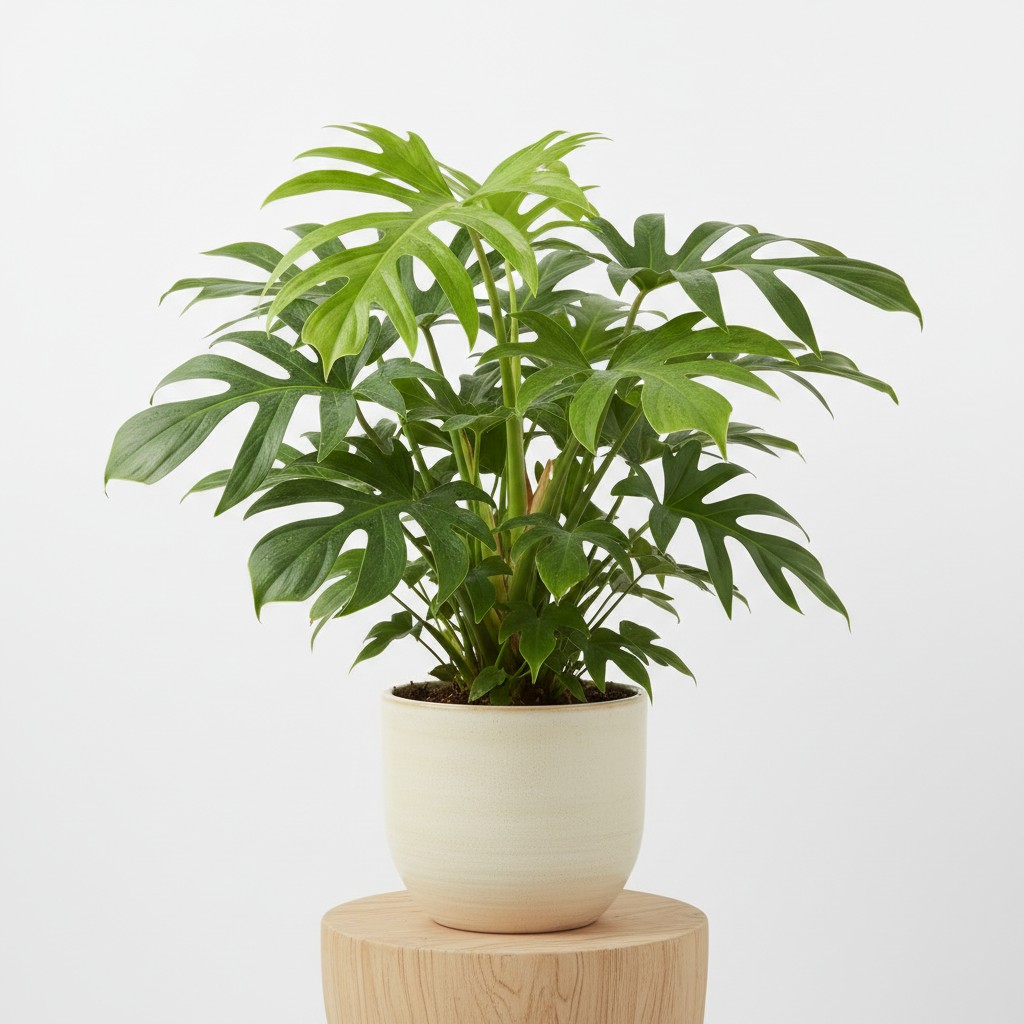
Why You'll Love It
Puka trees bring a touch of the tropics indoors with their distinctive, large, textured leaves. Their unique foliage adds a sculptural element to any room, making them a striking focal point. These relatively low-maintenance plants are known for their air-purifying qualities, improving your indoor environment. Puka's resilience and adaptability to indoor conditions make them a rewarding choice for both beginner and experienced plant enthusiasts. Their ability to thrive in varied light conditions adds to their appeal. Watching the dramatic, sculptural leaves unfurl is a satisfying experience that connects you with nature. Puka trees are an excellent way to bring the beauty of the Hawaiian Islands into your home.
The Story
Puka ( Meryta sinclairii) is endemic to the Poor Knights Islands off the coast of New Zealand. Its natural habitat is coastal forests, where it thrives in rocky, well-drained soil and enjoys exposure to sea breezes. The Maori people of New Zealand have a deep connection to the Puka tree. They recognized its unique properties and used it for various purposes, including medicinal applications. Historically, Puka trees were also used for crafting tools and building materials. The name "Puka" is derived from the Maori language. While not as widely known as other tropical plants, Puka has gained popularity as an ornamental plant due to its striking appearance and adaptability to indoor environments.
Complete Care Guide
Puka trees thrive in bright, indirect light, but can tolerate lower light conditions. Water when the top inch of soil is dry, allowing the soil to dry out slightly between waterings. Avoid overwatering, which can lead to root rot. Use a well-draining potting mix. Maintain moderate humidity levels. Fertilize every 2-3 months during the growing season (spring and summer) with a balanced liquid fertilizer diluted to half strength. Prune to maintain shape and remove any dead or yellowing leaves. Repot every 1-2 years, or when the plant becomes root-bound, using a pot that is one size larger. Provide stable temperatures between 65-80°F (18-27°C). Protect from drafts and sudden temperature changes. Watch out for pests such as spider mites and mealybugs, and treat promptly if detected.
Light Requirements
Puka trees prefer bright, indirect light. Direct sunlight can scorch their leaves, so avoid placing them in direct contact with intense sun. An east-facing window is ideal, providing gentle morning light. A north-facing window can also work, but the plant may grow more slowly. If you only have south- or west-facing windows, place the Puka tree a few feet away from the window or use sheer curtains to filter the light. Insufficient light can lead to leggy growth and a lack of vibrancy in the leaves. Rotate the plant regularly to ensure even light exposure on all sides.
Seasonal Care
Spring
In spring, increase watering frequency and begin fertilizing every 2-3 months. Repot if necessary. Prune to remove any dead or damaged growth. Provide ample light.
Summer
During summer, maintain consistent watering and fertilizing. Protect from intense direct sunlight. Monitor for pests. Ensure adequate ventilation.
Fall
In fall, reduce watering frequency and stop fertilizing. Bring plants indoors if they have been outside. Monitor for pests and diseases.
Winter
During winter, water sparingly and avoid fertilizing. Provide bright, indirect light. Maintain moderate humidity. Protect from drafts and cold temperatures.
The Life of Your Puka
Seedling / Juvenile
Young Puka seedlings require consistent moisture and warmth. Keep the soil consistently moist but not waterlogged. Provide bright, indirect light and protect from drafts. Use a small pot with excellent drainage.
Adolescent
During the adolescent phase, gradually increase the pot size as the plant grows. Maintain consistent watering and fertilizing during the growing season. Monitor for pests and address them promptly.
Mature
Mature Puka trees can tolerate slightly drier conditions. Continue to fertilize regularly during the growing season and prune as needed to maintain shape and remove dead or yellowing leaves.
Established
Established Puka trees require less frequent repotting. Continue to monitor for pests and diseases. Prune to maintain shape and size. Adjust watering based on the plant's needs and the environmental conditions.
Propagation Guide
Puka trees can be propagated through stem cuttings or air layering. For stem cuttings, take a 4-6 inch cutting from a healthy stem. Remove the lower leaves and dip the cut end in rooting hormone. Plant the cutting in a well-draining potting mix. Keep the soil moist and provide bright, indirect light. Rooting should occur in 4-6 weeks. For air layering, make a small cut on a stem and wrap it with moist sphagnum moss. Cover the moss with plastic wrap and secure it with tape. Keep the moss moist. Roots should form within a few weeks. Once roots are visible, cut the stem below the rooted section and plant it in a pot.
Expert Knowledge
Puka trees are relatively slow-growing, so patience is key. They are sensitive to overwatering, so it's better to err on the side of underwatering. Regular pruning will help maintain their shape and encourage bushier growth. Consider using a humidifier to increase humidity levels, especially during the winter months. Puka trees benefit from stable conditions; avoid drastic changes in temperature or light. Regularly check the soil pH; Puka trees prefer slightly acidic soil.
Troubleshooting
Yellow leaves
Yellow leaves can be caused by overwatering, underwatering, nutrient deficiencies, or pests. Check the soil moisture and adjust watering accordingly. Fertilize during the growing season. Inspect for pests.
Brown leaf edges
Brown leaf edges are often caused by dry air, inconsistent watering, or fertilizer buildup. Increase humidity around the plant. Ensure consistent watering. Flush the soil with water to remove excess fertilizer.
Drooping leaves
Drooping leaves can indicate underwatering, overwatering, or root rot. Check the soil moisture and adjust watering accordingly. Ensure the pot has adequate drainage. Repot if root rot is suspected.
Root rot
Root rot is caused by overwatering and poor drainage. Repot the plant in fresh, well-draining soil. Remove any affected roots. Reduce watering frequency. Ensure the pot has drainage holes.
Pests
Pests such as spider mites and mealybugs can infest Puka trees. Treat infestations with insecticidal soap or neem oil. Isolate the affected plant to prevent the spread of pests to other plants.
Frequently Asked Questions
What are the ideal light conditions?
Puka thrives in bright, indirect light. Avoid direct sunlight, which can scorch the leaves.
How often should I water?
Water when the top inch of soil is dry. Avoid overwatering, which can lead to root rot.
When should I repot?
Repot every 1-2 years, or when the plant becomes root-bound, using a pot one size larger.
Is it toxic to pets?
Puka is considered non-toxic to pets and children, but ingestion may cause mild discomfort.
How big will it grow?
Indoors, Puka typically grows to a height of 4-6 feet, depending on pot size and care.
Can I propagate at home?
Yes, Puka can be propagated at home through stem cuttings or air layering.


