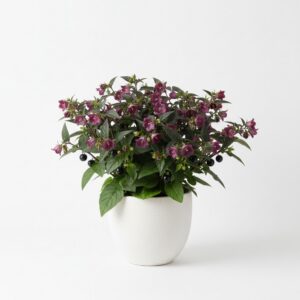
Why You'll Love It
Tuberose, with its intoxicating fragrance, is a captivating addition to any plant lover's collection. The creamy white, waxy flowers exude a rich, sweet perfume that fills the air, making it a highly sought-after plant for its aromatic qualities. Its elegant, slender spikes of blooms add a touch of sophistication to gardens and indoor spaces alike. Tuberose is relatively easy to grow, rewarding gardeners with a profusion of fragrant flowers with proper care. The blooms are also long-lasting, both on the plant and as cut flowers, making it a favorite for bouquets and floral arrangements. Tuberose offers a unique sensory experience, captivating both the eyes and the nose. Gardeners love the plant for its beauty and the powerful fragrance it brings.
The Story
Tuberose, botanically known as Polianthes tuberosa, originates from Mexico. Its natural habitat consists of warm, subtropical regions. The plant has a rich history, cultivated for centuries for its captivating fragrance. It was introduced to Europe in the 16th century and quickly became popular for its use in perfumes. In some cultures, Tuberose symbolizes dangerous pleasure or forbidden love, while in others, it represents sensuality and romance. The flower has been used in traditional medicine for its purported therapeutic properties. Tuberose continues to be a prized ingredient in high-end perfumery and remains a popular choice for gardens and floral arrangements worldwide. Its enduring appeal lies in its intoxicating scent and elegant beauty.
Complete Care Guide
Tuberose requires well-draining soil and thrives in a sunny location with at least 6 hours of direct sunlight per day. Water thoroughly when the top inch of soil feels dry, avoiding overwatering which can lead to bulb rot. Fertilize regularly during the growing season (spring and summer) with a balanced fertilizer or a fertilizer specifically formulated for flowering plants. Deadhead spent blooms to encourage further flowering. In colder climates, lift the bulbs in the fall and store them in a cool, dry place over winter before replanting in the spring. Maintain moderate humidity levels. Protect from frost and extreme temperatures. Ensure good air circulation to prevent fungal diseases. Repot every 1-2 years in fresh soil. Monitor for pests and diseases.
Light Requirements
Tuberose requires a significant amount of sunlight to thrive and produce abundant blooms. Aim for at least 6-8 hours of direct sunlight per day. A south-facing window is ideal for indoor cultivation. If natural light is insufficient, supplement with grow lights. Insufficient light can result in leggy growth and reduced or absent flowering. Rotate the plant regularly to ensure even light exposure on all sides. When growing outdoors, choose a location that receives full sun throughout the day. Providing adequate light is crucial for healthy growth and abundant flowering in Tuberose.
Seasonal Care
Spring
In spring, replant Tuberose bulbs after the last frost. Provide plenty of sunlight and begin regular watering and fertilizing. Watch for new growth and monitor for pests.
Summer
During the summer months, Tuberose will actively grow and bloom. Maintain consistent watering and fertilizing. Deadhead spent blooms to encourage further flowering.
Fall
In the fall, gradually reduce watering and fertilizing. Allow the foliage to die back naturally. Lift the bulbs in colder climates and store them in a cool, dry place.
Winter
During the winter, Tuberose bulbs are dormant. Store them in a cool, dry place until spring. Do not water or fertilize during this period.
The Life of Your Tuberose
Seedling / Juvenile
For young Tuberose plants, provide bright, indirect light and maintain consistent moisture in well-draining soil. Fertilize lightly with a balanced fertilizer diluted to half strength. Ensure adequate air circulation to prevent fungal diseases. Protect from extreme temperatures and drafts.
Adolescent
As the plant develops, gradually increase exposure to direct sunlight. Continue to water regularly and fertilize every 2-3 weeks with a fertilizer higher in phosphorus to promote bud formation. Monitor for pests and diseases, and address any issues promptly.
Mature
During the blooming period, maintain consistent watering and fertilize regularly to support abundant flowering. Deadhead spent blooms to encourage further flowering. Provide support for the flower spikes if needed to prevent them from bending or breaking.
Established
After flowering, gradually reduce watering and fertilizing. Allow the foliage to die back naturally. In colder climates, lift the bulbs and store them in a cool, dry place over winter. Replant in the spring when the weather warms up.
Propagation Guide
Tuberose can be propagated by division, stem cuttings, and keiki (small plantlets that form on the flower spike).
1. Division: Separate offsets from the mother bulb during dormancy. Replant in well-draining soil.
2. Stem cuttings: Take stem cuttings in spring or summer. Dip the cut end in rooting hormone and plant in moist soil.
3. Keiki: Carefully remove keiki from the flower spike after they have developed roots. Plant in well-draining soil.
Maintain consistent moisture and provide bright, indirect light until new growth appears. Propagation is best done during the plant's dormant period or during active growth. Using rooting hormone helps facilitate growth.
Expert Knowledge
To maximize fragrance, plant Tuberose in well-draining soil rich in organic matter. Avoid overwatering, as this can lead to bulb rot. Provide consistent moisture, especially during the blooming period. Fertilize regularly with a fertilizer high in phosphorus to promote abundant flowering. Consider using a slow-release fertilizer for sustained nutrient supply. Protect the plants from strong winds, which can damage the flower spikes. The fragrance is most intense in the evening.
Troubleshooting
Yellow leaves
Yellow leaves can be caused by overwatering, underwatering, nutrient deficiencies, or pest infestations. Adjust watering practices, fertilize appropriately, and inspect for pests.
Brown leaf edges
Brown edges on leaves can indicate dry air, inconsistent watering, or fertilizer burn. Increase humidity, water consistently, and avoid over-fertilizing.
Drooping leaves
Drooping can be caused by underwatering, root rot, or extreme temperatures. Adjust watering, check for root rot, and ensure adequate air circulation.
Root rot
Root rot is caused by overwatering and poor drainage. Improve drainage, reduce watering frequency, and consider using a fungicide.
Pests
Pests like aphids and spider mites can infest Tuberose. Treat infestations with insecticidal soap or neem oil.
Frequently Asked Questions
What are the ideal light conditions?
Tuberose needs at least 6-8 hours of direct sunlight daily for optimal growth and blooming.
How often should I water?
Water Tuberose thoroughly when the top inch of soil feels dry, avoiding overwatering.
When should I repot?
Repot Tuberose every 1-2 years in spring, using fresh, well-draining soil.
Is it toxic to pets?
Tuberose is considered non-toxic to pets and children, but ingestion may cause mild gastrointestinal upset.
How big will it grow?
Indoors, Tuberose typically grows to a height of 1-3 feet, depending on the variety and growing conditions.
Can I propagate at home?
Yes, Tuberose can be propagated at home by division, stem cuttings, or keiki.