Why You'll Love It
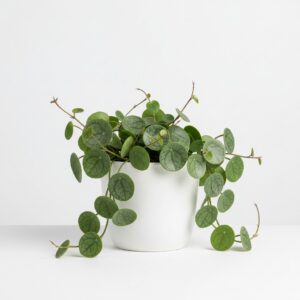
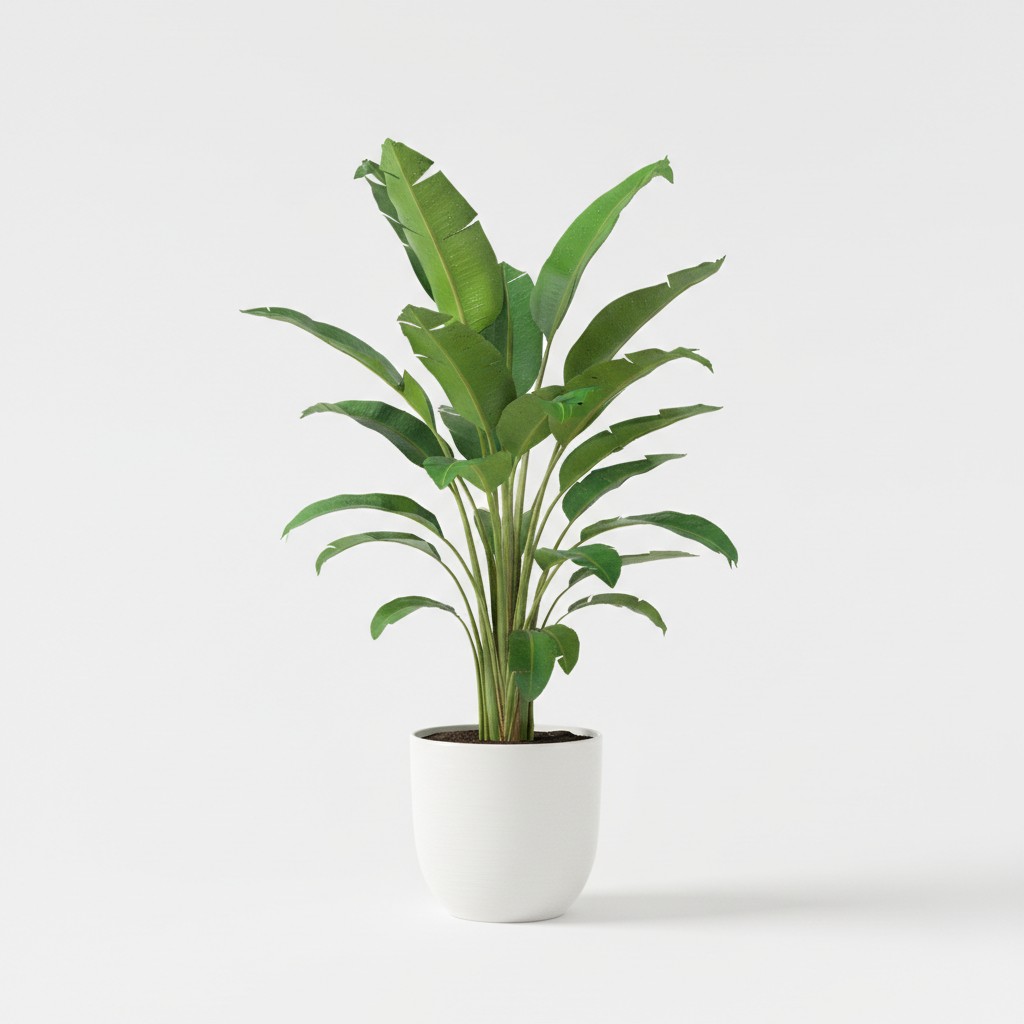
Plantain, often grown for its fruit production, is a striking addition to any indoor plant collection. Its large, vibrant green leaves create a tropical ambiance, making it a focal point in any room. Plant lovers adore the Plantain for its relatively easy care requirements and the potential to harvest edible fruit, although indoor fruiting can be challenging. The rapid growth of the plant provides a satisfying sense of accomplishment, and its air-purifying qualities make it a healthy and beautiful choice for indoor environments. The Plantain's unique texture and bold presence make it a conversation starter and a cherished green companion. Its ability to adapt to indoor conditions makes it a rewarding plant for both beginners and experienced plant enthusiasts.
The Story
The Plantain, belonging to the Musa genus, originates from Southeast Asia and the Pacific Islands. Cultivated for thousands of years, it is a staple food in many tropical regions, playing a vital role in local economies and diets. Plantains have been introduced to other parts of the world, including Africa and Latin America, where they have become significant crops. Historically, Plantains have been valued not only for their nutritional content but also for their use in traditional medicine and cultural ceremonies. In some cultures, the Plantain is a symbol of fertility and abundance, representing prosperity and good fortune. Its journey from its tropical origins to becoming a globally recognized food source is a testament to its adaptability and significance.
Complete Care Guide
Plantain thrives in bright, indirect light. Water thoroughly when the top inch of soil is dry, allowing excess water to drain. Maintain humidity levels around 50-60% through misting or a humidifier. Fertilize monthly during the growing season (spring and summer) with a balanced liquid fertilizer diluted to half strength. Repot annually in the spring into a slightly larger pot with well-draining potting mix. Prune away any dead or damaged leaves to encourage new growth. Maintain stable temperatures between 65-80°F (18-27°C). Provide adequate air circulation to prevent fungal diseases. Monitor for pests like spider mites and mealybugs, and treat promptly. Ensure proper drainage to avoid root rot. Avoid placing near drafts or heating vents.
Light Requirements
Plantain needs bright, indirect light to thrive indoors. Insufficient light can lead to slow growth and leggy stems. A location near an east-facing or west-facing window is ideal, providing ample sunlight without direct scorching. If you're placing your Plantain near a south-facing window, use a sheer curtain to filter the light. Rotate the plant regularly to ensure even light exposure on all sides. If natural light is limited, supplement with a grow light for 12-14 hours per day. Observe the leaves for signs of light stress, such as pale or yellowing foliage, and adjust the plant's location accordingly.
Seasonal Care
Spring
In spring, increase watering and begin fertilizing monthly. Repot if necessary. Provide ample light to encourage new growth.
Summer
In summer, maintain consistent watering and humidity. Protect from direct sunlight during the hottest hours of the day.
Fall
In fall, reduce watering and cease fertilizing. Monitor for pests and diseases.
Winter
In winter, reduce watering significantly. Provide supplemental light if needed. Maintain stable temperatures and avoid drafts.
The Life of Your Plantain
Seedling / Juvenile
Young Plantain seedlings require consistent moisture and bright, indirect light. Keep the soil consistently moist but not waterlogged. Provide a humid environment by misting regularly.
Adolescent
During the adolescent phase, Plantain plants experience rapid growth. Increase watering frequency and fertilizer application. Ensure adequate support for the developing stem.
Mature
Mature Plantain plants require regular pruning to maintain shape and encourage fruit production. Provide a sturdy support system as the plant becomes heavier.
Established
Established Plantain plants benefit from annual repotting and regular fertilization. Monitor for pests and diseases, and address any issues promptly.
Propagation Guide
Plantain can be propagated through stem cuttings or air layering.
For stem cuttings:
1. Select a healthy stem and cut a 6-8 inch section below a node.
2. Remove the lower leaves.
3. Dip the cut end in rooting hormone.
4. Plant the cutting in well-draining potting mix.
5. Keep the soil consistently moist and provide high humidity.
6. Roots should develop in 4-6 weeks.
For air layering:
1. Select a healthy stem.
2. Make a small incision on the stem.
3. Wrap the incision with moist sphagnum moss.
4. Cover the moss with plastic wrap and secure it with tape.
5. Keep the moss moist.
6. Roots will develop in a few weeks.
7. Once roots are visible, cut the stem below the roots and plant it in a pot.
Expert Knowledge
To encourage fruiting indoors, provide the Plantain with optimal conditions, including bright light, high humidity, and consistent fertilization. Hand-pollinate the flowers to increase the chances of fruit development. Prune regularly to maintain shape and encourage new growth. Use a large pot to accommodate the plant's extensive root system. Monitor soil pH and adjust as needed to maintain a slightly acidic to neutral range. Provide a stable environment with minimal temperature fluctuations. Consider using a support structure to prevent the plant from toppling over as it grows.
Troubleshooting
Yellow leaves
Yellow leaves can indicate overwatering, underwatering, or nutrient deficiency. Check soil moisture levels and adjust watering accordingly. Fertilize with a balanced fertilizer.
Brown leaf edges
Brown edges are often caused by low humidity or inconsistent watering. Increase humidity levels and ensure consistent soil moisture.
Drooping leaves
Drooping can result from underwatering, overwatering, or temperature stress. Check soil moisture, adjust watering, and ensure stable temperatures.
Root rot
Root rot is caused by overwatering and poor drainage. Repot in fresh, well-draining soil and reduce watering frequency.
Pests
Common pests include spider mites and mealybugs. Treat with insecticidal soap or neem oil.
Frequently Asked Questions
What are the ideal light conditions?
Plantain needs bright, indirect light for at least 6 hours daily.
How often should I water?
Water thoroughly when the top inch of soil is dry.
When should I repot?
Repot annually in the spring into a slightly larger pot.
Is it toxic to pets?
Plantain is generally considered non-toxic to pets and children.
How big will it grow?
Indoors, Plantain can grow to 6-10 feet tall.
Can I propagate at home?
Yes, Plantain can be propagated at home via stem cuttings.