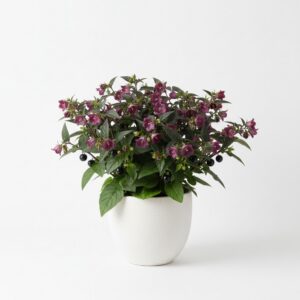
Why You'll Love It
Bougainvillea is beloved for its vibrant, papery bracts that come in a stunning array of colors, including pink, purple, red, orange, and white. These bracts, often mistaken for petals, surround small, inconspicuous flowers, creating a spectacular display that can last for months. Its vigorous growth habit allows it to be trained as a climber, a sprawling shrub, or even a bonsai, adding versatility to its appeal. Gardeners appreciate its drought tolerance once established, making it a relatively low-maintenance option in warm climates. The plant's ability to attract hummingbirds and butterflies further enhances its charm, bringing life and color to any garden or landscape. The brilliant colors of bougainvillea can transform any space into a tropical paradise.
The Story
Bougainvillea originates from South America, specifically Brazil. Discovered in 1768 by French botanist Philibert Commerçon, who named it after his friend and French navigator Louis Antoine de Bougainville during a circumnavigation expedition. The plant quickly gained popularity and spread throughout tropical and subtropical regions worldwide. It thrives in warm climates with plenty of sunshine. In some cultures, Bougainvillea symbolizes welcome and beauty. It is often used to adorn homes, gardens, and public spaces, representing prosperity and good fortune. The plant has become a symbol of tropical landscapes and is frequently featured in art, literature, and photography, evoking a sense of exotic allure and natural splendor. Its vibrant colors and hardy nature have made it a beloved ornamental plant across the globe.
Complete Care Guide
Bougainvillea requires full sun (at least 6 hours daily) for optimal blooming. Water deeply but infrequently, allowing the soil to dry out between waterings. Overwatering can lead to root rot. Use well-draining soil, such as a mix of potting soil, perlite, and sand. Fertilize regularly during the growing season (spring and summer) with a high-phosphorus fertilizer to encourage blooming. Prune after each blooming cycle to shape the plant and promote new growth. Provide support for climbing varieties. Protect from frost; Bougainvillea is sensitive to cold temperatures. Repot only when necessary, as they prefer to be slightly root-bound. Ensure good air circulation to prevent fungal diseases. Monitor for pests such as aphids and spider mites, and treat as needed. Avoid excessive nitrogen fertilizer, which promotes leafy growth at the expense of blooms.
Light Requirements
Bougainvillea thrives in bright, direct sunlight. Aim for at least six hours of full sun per day for optimal flowering. Insufficient light can lead to reduced blooming or a lack of blooms altogether. When growing indoors, place your Bougainvillea near a south-facing window where it can receive the most sunlight. If natural light is limited, consider using grow lights to supplement the plant's light needs. Rotate the plant regularly to ensure even exposure to light on all sides. Inadequate light will result in leggy growth as the plant stretches towards the light source. During the winter months, when sunlight is less intense, provide additional artificial light to maintain consistent growth and flowering.
Seasonal Care
Spring
In spring, increase watering frequency as the weather warms. Begin fertilizing with a high-phosphorus fertilizer to encourage blooming. Prune to remove dead or damaged growth and shape the plant. Repot if necessary.
Summer
Water deeply but infrequently, allowing the soil to dry out between waterings. Fertilize regularly with a high-phosphorus fertilizer. Provide shade during the hottest part of the day in extremely hot climates. Monitor for pests and diseases.
Fall
Reduce watering frequency as the weather cools. Reduce or stop fertilizing. Prune lightly to remove dead or damaged growth. Prepare for overwintering if you live in a cold climate.
Winter
Protect from frost and cold temperatures. Reduce watering significantly. Do not fertilize. Provide bright, indirect light. Maintain good air circulation to prevent fungal diseases.
The Life of Your Bougainvillea
Seedling / Juvenile
Provide bright, indirect light to newly sprouted seedlings. Keep the soil consistently moist but not soggy. Use a well-draining potting mix. Begin fertilizing with a diluted, balanced fertilizer after a few weeks. Protect from drafts and extreme temperatures.
Adolescent
Gradually increase the amount of direct sunlight as the plant matures. Begin regular fertilization with a high-phosphorus fertilizer to encourage blooming. Provide support for climbing varieties. Prune lightly to shape the plant and encourage branching.
Mature
Ensure the plant receives at least six hours of direct sunlight daily. Water deeply but infrequently, allowing the soil to dry out between waterings. Fertilize regularly with a high-phosphorus fertilizer. Prune after each blooming cycle to promote new growth.
Established
Reduce watering frequency during the dormant season (fall and winter). Continue fertilizing with a balanced fertilizer at a reduced rate. Prune to remove dead or damaged growth. Protect from frost. Monitor for pests and diseases.
Propagation Guide
Bougainvillea can be propagated through stem cuttings. Take 4-6 inch cuttings from semi-hardwood stems in spring or summer. Remove the lower leaves and dip the cut end in rooting hormone. Plant the cuttings in a well-draining potting mix. Keep the soil moist and provide indirect light. Cover with a plastic bag or humidity dome to maintain high humidity. Rooting typically takes 4-8 weeks. Once rooted, transplant the cuttings into individual pots. Bougainvillea can also be propagated by air layering, though this method is less common. Division is possible, but difficult and not generally recommended. Keiki propagation is not applicable to Bougainvillea.
Expert Knowledge
To encourage more prolific blooming, practice "stress watering," allowing the plant to dry out almost completely before watering. Avoid over-fertilizing with nitrogen, which promotes leafy growth at the expense of blooms. Prune regularly to maintain the desired shape and size, and to encourage new growth and flowering. Bougainvillea blooms on new growth, so regular pruning is essential. Provide adequate support for climbing varieties. Consider using a slow-release fertilizer for consistent nutrient delivery. Monitor the plant closely for signs of pests and diseases, and treat promptly.
Troubleshooting
Yellow leaves
Yellow leaves can indicate overwatering, underwatering, nutrient deficiency, or pest infestation. Adjust watering habits, fertilize with a balanced fertilizer, and inspect for pests.
Brown leaf edges
Brown edges on leaves often result from dry air, inconsistent watering, or fertilizer burn. Increase humidity, adjust watering habits, and reduce fertilizer concentration.
Drooping leaves
Drooping can be caused by underwatering, root rot, or extreme temperatures. Check soil moisture, ensure proper drainage, and protect from temperature extremes.
Root rot
Root rot is caused by overwatering and poor drainage. Repot the plant in fresh, well-draining soil, and reduce watering frequency. Remove any affected roots.
Pests
Pests such as aphids, spider mites, and mealybugs can infest Bougainvillea. Treat with insecticidal soap or neem oil. Ensure good air circulation to prevent infestations.
Frequently Asked Questions
What are the ideal light conditions?
Bougainvillea requires at least 6 hours of direct sunlight daily for optimal blooming.
How often should I water?
Water deeply when the top inch of soil is dry. Avoid overwatering to prevent root rot.
When should I repot?
Repot only when necessary, typically every 2-3 years, in spring. Use a well-draining potting mix.
Is it toxic to pets?
Bougainvillea sap can cause skin irritation in some people, but it is generally considered non-toxic to pets and children.
How big will it grow?
Indoors, Bougainvillea can grow to be 3-6 feet tall, depending on the pot size and pruning.
Can I propagate at home?
Yes, Bougainvillea can be propagated at home using stem cuttings.