Why You'll Love It
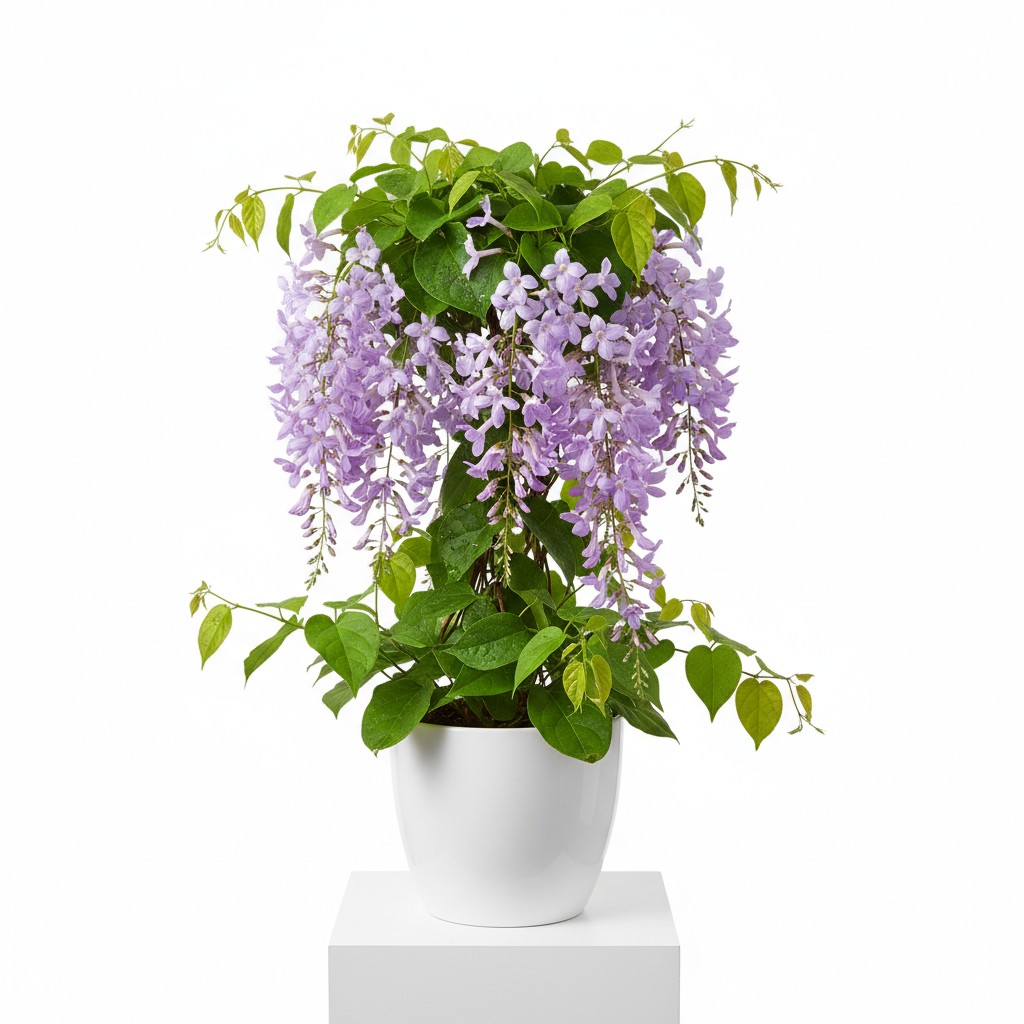
Lilac Vine, botanically known as Hardenbergia violacea, is a captivating climber celebrated for its profuse display of pea-like flowers. These blooms, typically violet or lilac in color, create a cascade of beauty that transforms any space into a vibrant, fragrant haven. Plant lovers adore its relatively low-maintenance nature, coupled with its vigorous growth habit, making it ideal for covering fences, walls, or trellises. The vine's ability to attract pollinators like butterflies and bees further enhances its appeal, contributing to a thriving garden ecosystem. Its evergreen foliage provides year-round visual interest, ensuring that even when not in bloom, the Lilac Vine remains an attractive addition to any landscape. The ease of propagation adds to its charm, allowing gardeners to share its beauty with others.
The Story
Hardenbergia violacea is native to Australia, thriving in a range of habitats from open forests to coastal areas. Its name honors the Countess von Hardenberg, a sister of Baron Hügel, an Austrian botanist. The plant has a long history of use by Indigenous Australians, who utilized its strong fibers for weaving and rope-making. In European gardens, it gained popularity in the 19th century, prized for its ornamental value and adaptability. The Lilac Vine quickly spread beyond Australia, becoming a beloved plant in temperate climates worldwide. It's a symbol of resilience and beauty, mirroring the spirit of the Australian landscape. Its cultural significance lies in its ability to evoke a sense of natural wonder and its role in connecting people to the natural world. Today, it continues to be a popular choice for gardeners seeking a visually stunning and easy-to-grow climbing plant.
Complete Care Guide
Lilac Vine thrives in well-draining soil and prefers a sunny to partially shaded location. Water regularly, especially during dry periods, but avoid overwatering to prevent root rot. Prune after flowering to maintain shape and encourage bushier growth. Provide a sturdy support structure like a trellis, fence, or wall for the vine to climb. Fertilize in spring with a balanced fertilizer to promote healthy growth and abundant blooms. Monitor for pests and diseases, addressing any issues promptly. Mulch around the base of the plant to retain moisture and suppress weeds. Ensure good air circulation to prevent fungal diseases. Deadhead spent flowers to encourage further blooming. Protect from frost in colder climates. Regular inspection and preventative care are key to a thriving Lilac Vine.
Light Requirements
Lilac Vine flourishes in full sun to partial shade. Ideally, it should receive at least six hours of direct sunlight daily for optimal flowering. In hotter climates, afternoon shade is beneficial to prevent leaf scorch. Insufficient light can result in leggy growth, reduced flowering, and pale foliage. When grown indoors, place the vine near a sunny window or supplement with artificial grow lights. Rotate the plant regularly to ensure even light exposure. Southern or western-facing windows are generally best. Observe the plant's growth and adjust its position as needed to ensure it receives adequate light.
Seasonal Care
Spring
In spring, fertilize Lilac Vine with a balanced fertilizer to promote new growth and flowering. Prune away any dead or damaged growth. Provide a support structure if needed.
Summer
Water Lilac Vine regularly during the summer months, especially during dry spells. Monitor for pests and diseases. Provide shade during the hottest part of the day in hotter climates.
Fall
Reduce watering frequency in the fall as temperatures cool down. Collect seeds if desired. Prepare the plant for winter by mulching around the base.
Winter
Protect Lilac Vine from frost in colder climates by covering it with burlap or moving it indoors. Reduce watering significantly during winter dormancy.
The Life of Your Lilac Vine
Seedling / Juvenile
Keep young Lilac Vine seedlings in a warm, bright location with well-draining soil. Water gently and regularly, ensuring the soil remains moist but not waterlogged. Provide a small support structure to encourage upward growth.
Adolescent
As the Lilac Vine matures, gradually introduce it to more sunlight. Begin training it to climb its support structure. Increase watering frequency as needed, especially during hotter months.
Mature
Mature Lilac Vines require regular pruning to maintain their shape and encourage flowering. Fertilize annually in the spring. Monitor for pests and diseases, and address them promptly.
Established
Established Lilac Vines are relatively low-maintenance. Continue to prune as needed, and monitor for any signs of stress or disease. Replenish mulch around the base of the plant annually.
Propagation Guide
Lilac Vine can be easily propagated through stem cuttings or layering. For stem cuttings, take 4-6 inch cuttings from healthy stems in spring or summer. Remove the lower leaves and dip the cut end in rooting hormone. Plant the cuttings in well-draining potting mix and keep them moist. Roots should develop in a few weeks. For layering, bend a low-growing stem to the ground and bury a portion of it in the soil. Secure it with a rock or landscape pin. Once roots have formed, sever the layered stem from the parent plant and transplant it. Both methods offer a reliable way to expand your collection or share with friends. Keep the cuttings or layers in a humid environment to encourage root development.
Expert Knowledge
To maximize flowering, prune Lilac Vine immediately after it finishes blooming. This encourages the development of new flower buds for the following season. Choose a fertilizer specifically formulated for flowering plants. Avoid over-fertilizing, as this can lead to excessive foliage growth at the expense of flowers. Regular pruning also helps to maintain the desired shape and size of the vine. Lilac Vine can be trained to grow in various shapes and forms, making it a versatile addition to any garden. Consider using it to create a living screen or to cover an unsightly structure.
Troubleshooting
Yellow leaves
Yellow leaves can indicate overwatering, nutrient deficiency, or pest infestation. Check soil moisture, fertilize if needed, and inspect for pests.
Brown leaf edges
Brown leaf edges often signify underwatering, low humidity, or fertilizer burn. Adjust watering frequency, increase humidity, and avoid over-fertilizing.
Drooping leaves
Drooping can be caused by underwatering, root rot, or extreme heat. Check soil moisture, ensure proper drainage, and provide shade during hot periods.
Root rot
Root rot is caused by overwatering and poor drainage. Improve drainage by amending the soil and reduce watering frequency. Consider using a fungicide.
Pests
Pests like aphids, spider mites, and scale can infest Lilac Vine. Treat infestations with insecticidal soap or neem oil. Regularly inspect the plant for pests.
Frequently Asked Questions
What are the ideal light conditions?
Lilac Vine prefers full sun to partial shade, requiring at least six hours of direct sunlight daily for optimal flowering.
How often should I water?
Water Lilac Vine regularly, especially during dry periods, but avoid overwatering to prevent root rot. Allow the soil to dry slightly between waterings.
When should I repot?
Repot Lilac Vine every 1-2 years in spring, using a slightly larger pot and fresh well-draining potting mix.
Is it toxic to pets?
Lilac Vine is generally considered non-toxic to pets and children, but ingestion may cause mild stomach upset.
How big will it grow?
Indoors, Lilac Vine can grow to be 6-10 feet long, depending on the size of the container and the support structure provided.
Can I propagate at home?
Yes, Lilac Vine can be easily propagated at home using stem cuttings or layering techniques.