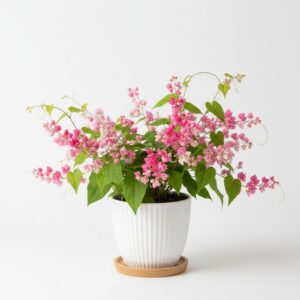
Why You'll Love It
Streptocarpus, often called Cape Primrose, is a delightful flowering houseplant that captivates with its profusion of trumpet-shaped blooms in a wide array of colors, from vibrant purples and pinks to delicate whites and yellows. These plants are relatively easy to care for, rewarding even novice gardeners with continuous blooms throughout the year if provided with the right conditions. Their compact size makes them ideal for windowsills, shelves, or under plant lights. Unlike some flowering houseplants, Streptocarpus don't require a strict dormancy period, allowing you to enjoy their beauty for an extended time. The crinkled, textured leaves add another layer of visual interest, making Streptocarpus a charming addition to any indoor garden. Their unique appeal and manageable care requirements make them a beloved choice for plant enthusiasts.
The Story
Streptocarpus originates primarily from South Africa, with some species found in Madagascar and other parts of tropical Africa. Their natural habitat is typically shaded, moist environments such as forest floors and rocky cliffs. The name "Streptocarpus" comes from the Greek words "streptos" meaning twisted and "carpus" meaning fruit, referring to the unique spirally twisted seed pods of some species. These plants have been cultivated in Europe since the early 19th century, with extensive hybridization leading to the vast selection of colors and forms available today. While not deeply rooted in cultural traditions, Streptocarpus has gained popularity as a decorative houseplant worldwide, prized for its beauty and relatively easy care. Its adaptability to indoor environments has solidified its place as a favorite among plant collectors and casual plant owners alike.
Complete Care Guide
Streptocarpus thrive in bright, indirect light. Avoid direct sunlight, which can scorch the leaves. Water thoroughly when the top inch of soil feels dry, ensuring proper drainage to prevent root rot. Use room-temperature water and avoid getting water on the leaves. Fertilize regularly during the growing season (spring and summer) with a balanced liquid fertilizer diluted to half strength, or a fertilizer specifically formulated for flowering plants, to promote abundant blooms. Reduce watering and fertilization in the fall and winter. Maintain moderate to high humidity by misting occasionally or placing the plant on a pebble tray. Repot in spring every 1-2 years using a well-draining African violet potting mix. Deadhead spent flowers to encourage further blooming. Maintain temperatures between 60-75°F (15-24°C). Consistent care is key to a healthy and floriferous Streptocarpus.
Light Requirements
Streptocarpus needs bright, indirect light to thrive and produce abundant blooms. An east-facing window is ideal, providing gentle morning sun. A north-facing window can also work, but the plant may need supplemental light, especially during the darker months. Avoid placing Streptocarpus in direct sunlight, particularly during the hottest part of the day, as it can cause leaf scorch. If your plant is not getting enough light, the leaves may become pale and the plant may not bloom as readily. Consider using a grow light if natural light is insufficient. Rotate the plant regularly to ensure even light exposure on all sides.
Seasonal Care
Spring
In spring, repot Streptocarpus if needed. Increase watering and fertilization as the plant enters its active growing season. Provide bright, indirect light to encourage blooming. Monitor for pests.
Summer
During summer, maintain consistent watering and fertilization. Protect the plant from direct sunlight. Increase humidity if necessary. Deadhead spent flowers regularly to encourage continuous blooming.
Fall
In fall, reduce watering and fertilization as the plant enters a period of slower growth. Maintain bright, indirect light. Monitor for pests.
Winter
During winter, water sparingly and avoid fertilizing. Provide bright, indirect light. Maintain moderate humidity. Protect the plant from cold drafts.
The Life of Your Streptocarpus
Seedling / Juvenile
For young Streptocarpus seedlings, provide consistently moist soil, but not waterlogged. Place in a warm location with bright, indirect light. Fertilize sparingly with a very diluted fertilizer formulated for seedlings. Monitor for pests and diseases.
Adolescent
As Streptocarpus matures, gradually increase light exposure. Begin fertilizing regularly with a balanced fertilizer diluted to half strength. Monitor humidity levels and adjust as needed. Pinch off any early flower buds to encourage stronger vegetative growth.
Mature
During the active blooming period, continue fertilizing regularly with a bloom-boosting fertilizer. Deadhead spent flowers to encourage continuous blooming. Ensure adequate watering and humidity. Provide support if the flower stalks become heavy.
Established
After the main blooming season, reduce watering and fertilization. Allow the plant to rest slightly. Repot in spring if necessary. Prune back any dead or damaged leaves. Monitor for pests and diseases.
Propagation Guide
Streptocarpus can be propagated through leaf cuttings, division, or seeds. For leaf cuttings, cut a healthy leaf into sections, ensuring each section has a vein. Insert the cut end into moist African violet potting mix. Cover with a plastic bag to maintain humidity. For division, carefully separate the plant into smaller clumps, ensuring each clump has roots and leaves. Replant in fresh potting mix. Keiki propagation is not a common method for Streptocarpus. Place in bright, indirect light and keep the soil consistently moist. Rooting typically occurs within a few weeks. Once rooted, gradually acclimate the new plants to normal growing conditions. Propagate in spring or summer for best results.
Expert Knowledge
Streptocarpus can be prone to crown rot if overwatered. Ensure proper drainage and avoid getting water on the leaves. Hybrid Streptocarpus are often more floriferous and compact than species varieties. Some varieties have fragrant flowers. Streptocarpus can be grown in hanging baskets. Regular deadheading is essential for continuous blooming. Consider using a self-watering pot to maintain consistent moisture levels. Choose varieties with different bloom colors for a stunning display. Experiment with different fertilizers to find what works best for your plant.
Troubleshooting
Yellow leaves
Yellow leaves can be caused by overwatering, underwatering, nutrient deficiency, or pest infestation. Check the soil moisture and adjust watering accordingly. Fertilize with a balanced fertilizer. Inspect for pests.
Brown leaf edges
Brown edges on leaves are often a sign of low humidity, inconsistent watering, or fertilizer burn. Increase humidity by misting or using a pebble tray. Ensure consistent watering habits. Reduce fertilizer concentration.
Drooping leaves
Drooping leaves can indicate underwatering, overwatering, or temperature stress. Check the soil moisture and adjust watering accordingly. Ensure the plant is not exposed to extreme temperatures.
Root rot
Root rot is caused by overwatering and poor drainage. Repot the plant in fresh, well-draining soil. Remove any affected roots. Reduce watering frequency.
Pests
Pests such as mealybugs, aphids, and spider mites can infest Streptocarpus. Treat infestations with insecticidal soap or neem oil. Isolate the affected plant to prevent the spread of pests.
Frequently Asked Questions
What are the ideal light conditions?
Streptocarpus thrives in bright, indirect light. Avoid direct sunlight.
How often should I water?
Water thoroughly when the top inch of soil feels dry.
When should I repot?
Repot every 1-2 years in spring, using African violet mix.
Is it toxic to pets?
Streptocarpus is generally considered non-toxic to pets and children.
How big will it grow?
Streptocarpus typically grows 6-12 inches tall and wide indoors.
Can I propagate at home?
Yes, Streptocarpus can be easily propagated from leaf cuttings.