
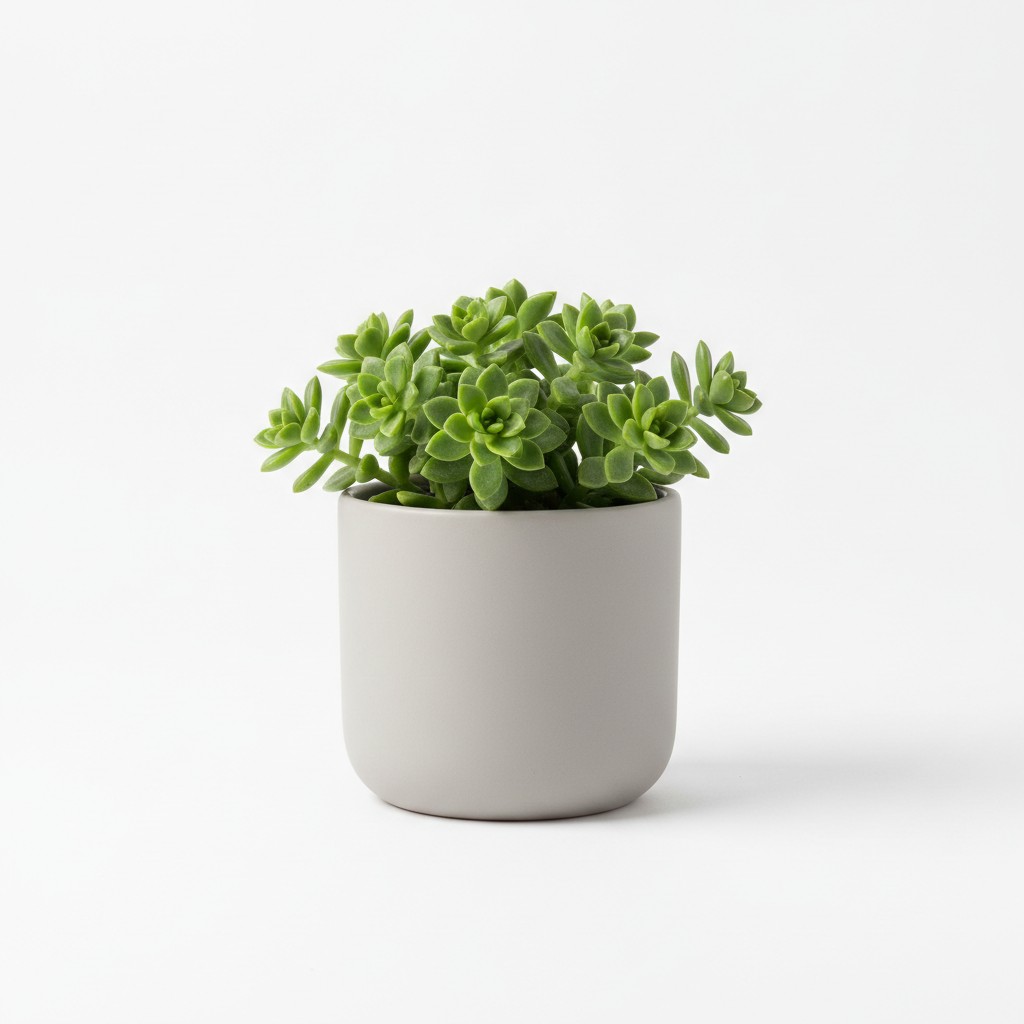
Why You'll Love It
Sedum, also known as stonecrop, are beloved succulents for their easy-going nature and diverse forms. Their fleshy leaves come in a spectrum of colors, from vibrant greens and blues to striking reds and purples, adding a splash of color to any space. Sedums are incredibly drought-tolerant, making them perfect for forgetful plant parents. They thrive on neglect, requiring minimal watering and care.
Many Sedum varieties boast charming, star-shaped flowers that attract pollinators like bees and butterflies. Whether cascading from a hanging basket or nestled in a rock garden, Sedums bring texture and visual interest to any plant collection. They are also incredibly versatile, suitable for both indoor and outdoor environments.
The Story
Sedum originates from various regions across the globe, including Europe, Asia, and North America. In their natural habitats, they thrive in rocky, well-drained soils and sunny locations, often found clinging to cliffs or growing in crevices. The name "Sedum" comes from the Latin word "sedeo," meaning "to sit," referring to their habit of sitting or sprawling on rocks.
Historically, Sedum has been used in traditional medicine for its purported healing properties. Some cultures believed it could soothe burns and wounds. In folklore, Sedum was associated with protection and good luck. Today, Sedum is primarily cultivated for its ornamental value, prized for its drought tolerance and ability to thrive in challenging environments. Its resilience and adaptability have made it a popular choice for green roofs and xeriscaping projects.
Complete Care Guide
Sedum thrive in bright, indirect sunlight, needing at least 6 hours of direct sun daily if grown outdoors. Use a well-draining succulent mix to prevent root rot. Water thoroughly only when the soil is completely dry, typically every 2-4 weeks, and less frequently in winter. Avoid overwatering, as this is the most common cause of Sedum problems.
Maintain temperatures between 60-80°F (15-27°C). Sedum are relatively low-maintenance and don't require frequent fertilization. Fertilize sparingly during the growing season (spring and summer) with a diluted succulent fertilizer. Prune leggy growth to encourage bushier growth. Monitor for pests like mealybugs and aphids, and treat promptly if detected.
Light Requirements
Sedum require bright, indirect sunlight to thrive. Insufficient light can lead to etiolation, where the stems become stretched and the leaves pale. Ideally, place your Sedum near a south-facing window if indoors, providing at least six hours of sunlight daily. If direct sunlight is too intense, filter it with a sheer curtain.
Outdoor Sedum should be planted in a location that receives full sun. If you notice your Sedum is not getting enough light, consider using a grow light to supplement natural light, especially during the darker winter months. Rotate your plant regularly to ensure even growth on all sides.
Seasonal Care
Spring
In spring, increase watering frequency as the plant enters its active growth period. Fertilize with a diluted succulent fertilizer to support new growth. Repot if necessary, using fresh succulent mix.
Summer
During summer, provide ample sunlight and water when the soil is dry. Protect from intense afternoon sun to prevent sunburn. Monitor for pests and address any issues promptly.
Fall
As fall approaches, reduce watering frequency to prepare the plant for dormancy. Remove any dead or dying foliage. Monitor for pests and diseases as temperatures cool.
Winter
In winter, reduce watering significantly. Provide bright, indirect light and maintain cooler temperatures. Avoid fertilizing. Allow the plant to rest and conserve energy.
The Life of Your Sedum
Seedling / Juvenile
Young Sedum seedlings require consistent moisture but should not be waterlogged. Provide bright, indirect light and protect them from intense direct sunlight. Use a well-draining seedling mix and ensure proper ventilation to prevent fungal diseases.
Adolescent
During the active growth period, typically in spring and summer, Sedum benefit from regular watering when the soil is dry. Fertilize sparingly with a diluted succulent fertilizer to support growth. Monitor for pests and address any issues promptly.
Mature
As Sedum enter dormancy in fall and winter, reduce watering significantly. Provide bright, indirect light and maintain cooler temperatures. Avoid fertilizing during this period. The plant's growth will slow down considerably.
Established
Established Sedum require minimal maintenance. Repot every 2-3 years as needed, using a fresh succulent mix. Prune leggy growth to maintain shape and encourage new growth. Continue to monitor for pests and adjust watering as needed based on the season.
Propagation Guide
Sedum are easily propagated through leaf cuttings, stem cuttings, and offsets. For leaf cuttings, gently remove a healthy leaf from the stem and allow it to callous over for a few days. Place the leaf on top of well-draining succulent mix and mist lightly. Roots and new growth will emerge in a few weeks.
For stem cuttings, cut a healthy stem and allow it to callous over. Plant the stem cutting in well-draining succulent mix and water sparingly. Offsets, or small plantlets that grow near the base of the parent plant, can be carefully separated and planted in their own pots. Provide bright, indirect light and water when the soil is dry.
Expert Knowledge
To encourage bushier growth, pinch back the stems of your Sedum during the growing season. This will promote branching and create a fuller plant. Sedum are relatively pest-resistant, but regular inspection can help catch any infestations early.
When repotting, choose a pot that is only slightly larger than the previous one. Overpotting can lead to water retention and root rot. Consider using terracotta pots, as they allow for better air circulation and drainage. Sedum can tolerate a wide range of temperatures, but they are not frost-hardy.
Troubleshooting
Yellow leaves
Yellow leaves on Sedum typically indicate overwatering. Allow the soil to dry out completely before watering again. Ensure proper drainage to prevent water from accumulating at the bottom of the pot.
Brown leaf edges
Brown edges on Sedum can be a sign of insufficient light or sunburn. Move the plant to a location with brighter, indirect light. If the plant is getting too much direct sun, provide some shade during the hottest part of the day.
Drooping leaves
Drooping leaves on Sedum often indicate soft leaves, which can be caused by overwatering or underwatering. Check the soil moisture and adjust your watering schedule accordingly. Ensure the soil is well-draining.
Root rot
Shriveling leaves are commonly a sign of root rot, caused by overwatering and poor drainage. Remove the plant from the pot, trim away any rotted roots, and repot in fresh, well-draining succulent mix. Allow the soil to dry out completely before watering.
Pests
Pest infestations, such as mealybugs or aphids, can cause stunted growth and discoloration. Treat infestations with insecticidal soap or neem oil. Isolate the affected plant to prevent the pests from spreading to other plants.
Frequently Asked Questions
What are the ideal light conditions?
Sedum thrive in bright, indirect sunlight, requiring at least 6 hours daily.
How often should I water?
Water Sedum thoroughly only when the soil is completely dry.
When should I repot?
Repot Sedum every 2-3 years, using fresh succulent mix.
Is it toxic to pets?
Sedum are generally considered non-toxic to pets and children.
How big will it grow?
Indoor Sedum typically grow to be 6-12 inches tall and wide.
Can I propagate at home?
Yes, Sedum can be easily propagated at home using leaf or stem cuttings.


