Why You'll Love It
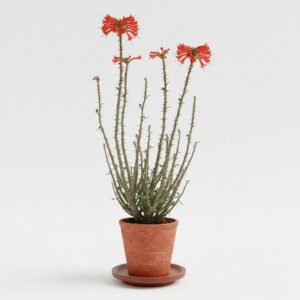
Pencil Tree, or Euphorbia tirucalli, is a striking succulent that adds a unique architectural element to any indoor space. Its slender, pencil-like branches create a visually interesting silhouette, making it a conversation starter. Plant lovers adore it for its low-maintenance nature, drought tolerance, and ability to thrive in bright light conditions. It's perfect for those who want a statement plant without the fuss. The plant's sculptural form and vibrant green color bring a touch of the desert landscape indoors.
Moreover, its resilience and adaptability make it an ideal choice for both beginner and experienced plant enthusiasts. It's a plant that truly stands out.
The Story
Euphorbia tirucalli is native to arid and semi-arid regions of Africa and Madagascar. It has been used in traditional medicine in some cultures, although caution is advised due to its toxic sap. The plant has spread to other parts of the world, including India, where it is known by various local names and used in traditional practices. Its drought tolerance has made it a popular choice for xeriscaping and ornamental purposes in warm climates. The plant’s unusual appearance has also contributed to its popularity as a decorative element in homes and gardens. Its presence in various cultures highlights its adaptability and diverse uses throughout history.
Complete Care Guide
Pencil Tree thrives in bright, indirect sunlight; direct sun for several hours is ideal. Water thoroughly only when the soil is completely dry, typically every 2-4 weeks, and less frequently in winter. Use well-draining succulent potting mix to prevent root rot. Maintain temperatures between 65-85°F (18-29°C). Fertilize sparingly during the growing season (spring/summer) with a balanced, diluted succulent fertilizer. Repot every 2-3 years, or when the plant becomes root-bound. Be cautious of the milky sap, which can be irritating to skin and eyes; wear gloves when handling. Avoid overwatering to prevent issues.
Light Requirements
Pencil Tree requires bright, indirect sunlight to thrive. A location near a south-facing window is ideal. It can tolerate some direct sunlight, especially in the morning or late afternoon, but prolonged exposure to intense midday sun can scorch the branches. If your plant is not receiving enough light, the branches may become thin and leggy. Rotate the plant regularly to ensure even light exposure on all sides. During winter months, when light levels are lower, consider using a grow light to supplement the natural light. Adequate light is essential for maintaining the plant's vibrant green color and healthy growth.
Seasonal Care
Spring
In spring, increase watering as the plant enters its active growth period. Begin fertilizing with a diluted succulent fertilizer. Monitor for pests and diseases.
Summer
Provide bright, indirect light and water when the soil is dry. Protect from intense midday sun. Ensure adequate ventilation to prevent fungal diseases.
Fall
Reduce watering as the plant prepares for dormancy. Discontinue fertilizing. Monitor for pests and diseases.
Winter
Water sparingly, allowing the soil to dry out completely between waterings. Maintain bright, indirect light. Avoid fertilizing.
The Life of Your Pencil Tree
Seedling / Juvenile
Young Pencil Tree seedlings require bright, indirect light and well-draining soil. Water sparingly, allowing the soil to dry out completely between waterings. Protect from extreme temperatures.
Adolescent
During the active growth period, provide bright light and water when the soil is dry. Fertilize lightly with a balanced succulent fertilizer. Monitor for pests and diseases.
Mature
During dormancy, reduce watering significantly. Maintain bright, indirect light. Avoid fertilizing during this period. Monitor for signs of stress.
Established
Repot every 2-3 years, or as needed. Prune to maintain shape and size. Continue to provide bright light and water appropriately. Monitor for pests and diseases.
Propagation Guide
Pencil Tree can be easily propagated using stem cuttings. Allow the cut end of the stem to callus over for several days before planting it in well-draining succulent mix. Keep the soil slightly moist until roots develop, which typically takes several weeks. Offsets can be carefully separated from the main plant and planted in their own pots. Leaf cuttings are not a reliable method for Pencil Tree propagation. Always wear gloves when handling cuttings due to the irritating sap. Provide bright, indirect light during the propagation process.
Expert Knowledge
Pencil Tree is relatively drought-tolerant and prefers to be underwatered rather than overwatered. The milky sap can be toxic, so always wear gloves when handling the plant and avoid getting it in your eyes or mouth. Pruning can help maintain the plant's shape and size. The plant can be grown outdoors in warm climates, but it needs protection from frost. With proper care, Pencil Tree can live for many years and become a striking focal point in any collection.
Troubleshooting
Yellow leaves
Yellow leaves often indicate overwatering. Allow the soil to dry out completely before watering again. Improve drainage by amending the soil with perlite or pumice.
Brown leaf edges
Brown edges can indicate insufficient light. Move the plant to a brighter location or supplement with a grow light. Ensure the plant is not exposed to drafts.
Drooping leaves
Drooping branches can indicate underwatering or root rot. Check the soil moisture and roots. Adjust watering accordingly and repot if necessary.
Root rot
Root rot is caused by overwatering. Remove affected roots, repot in fresh, well-draining soil, and reduce watering frequency.
Pests
Common pests include mealybugs and spider mites. Treat infestations with insecticidal soap or neem oil. Isolate the plant to prevent the spread of pests.
Frequently Asked Questions
What are the ideal light conditions?
Pencil Tree thrives in bright, indirect sunlight, needing at least 6 hours a day.
How often should I water?
Water Pencil Tree thoroughly only when the soil is completely dry.
When should I repot?
Repot Pencil Tree every 2-3 years or when root-bound, using succulent mix.
Is it toxic to pets?
Yes, Pencil Tree is toxic to pets and children due to its milky sap.
How big will it grow?
Indoors, Pencil Tree typically grows to 3-6 feet tall, depending on pot size.
Can I propagate at home?
Yes, you can propagate Pencil Tree at home using stem cuttings.