Why You'll Love It
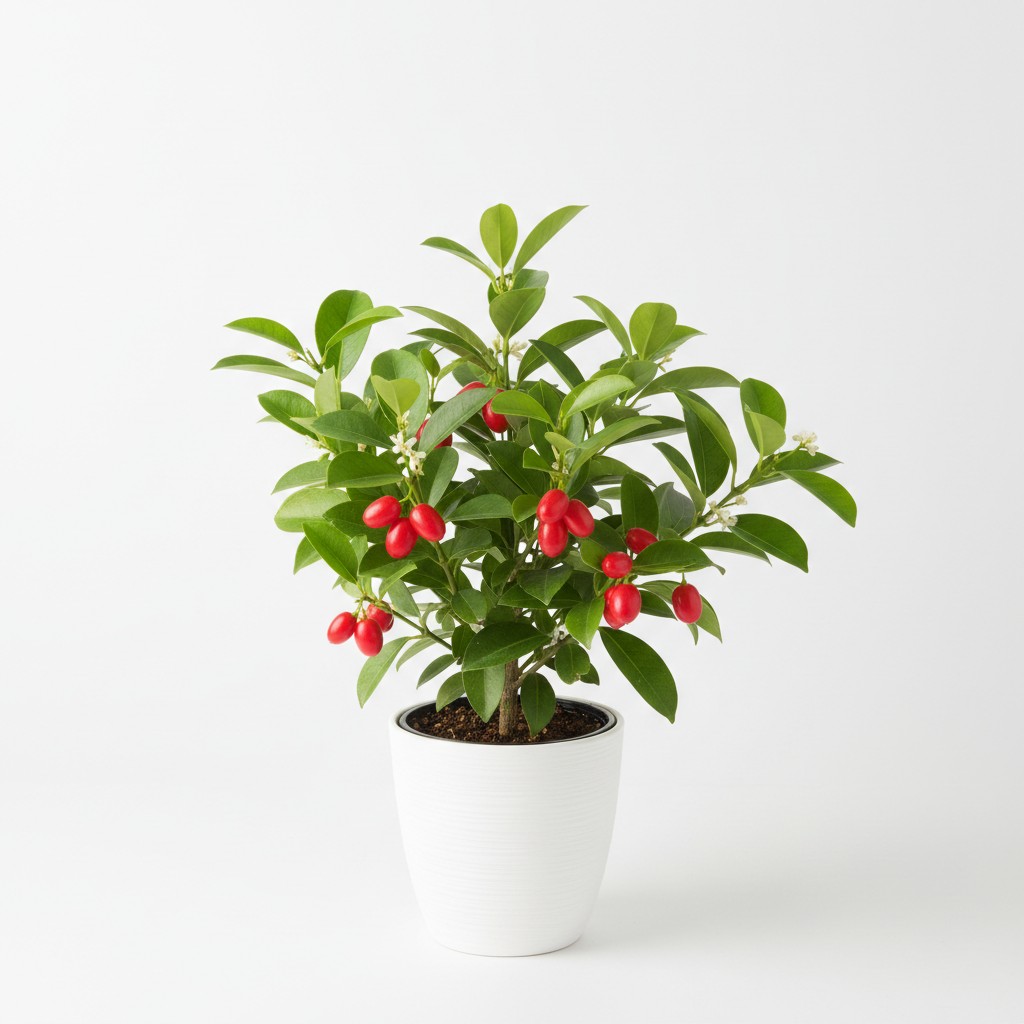
Miracle Fruit is cherished by plant enthusiasts for its unique ability to alter taste perception. The glycoprotein miraculin, present in the fruit, binds to taste receptors on the tongue, causing sour foods to taste sweet. This makes it a fascinating conversation starter and a delightful addition to any plant collection. Its attractive foliage and small, bright red berries add visual appeal. The plant's relatively compact size makes it suitable for indoor cultivation. Growing your own Miracle Fruit allows you to experience the taste-altering effects firsthand. The challenge of providing the specific care it needs adds to the rewarding experience for dedicated plant lovers. Its novelty factor and the unique culinary experiences it unlocks make it a truly special plant. The plant's evergreen foliage provides year-round visual interest.
The Story
Miracle Fruit (Synsepalum dulcificum) originates from West Africa, where it grows as an understory shrub in humid, tropical forests. Historically, indigenous populations have used the berries for centuries to sweeten bland foods and beverages, particularly palm wine. The fruit's taste-altering properties were first documented by Westerners in the 18th century. Its cultivation has since spread to other tropical and subtropical regions. The berry's ability to temporarily mask sourness and enhance sweetness has led to its exploration in culinary applications, particularly for individuals with dietary restrictions or undergoing medical treatments that affect taste. While not a staple food, it holds cultural significance in some West African communities and continues to be researched for its potential health benefits.
Complete Care Guide
Miracle Fruit requires acidic soil (pH 4.5-5.8), bright indirect light, and high humidity. Water thoroughly when the top inch of soil is dry, using filtered or rainwater. Fertilize with an acid-loving plant fertilizer every 2-4 weeks during the growing season (spring and summer). Maintain a temperature between 65-80°F (18-27°C). Prune lightly to maintain shape and encourage branching. Protect from frost and direct sunlight. Repot every 1-2 years into a slightly larger pot with well-draining acidic potting mix. Ensure good air circulation to prevent fungal diseases. Monitor for pests like spider mites and scale. Mist regularly to increase humidity, or use a humidifier. Provide supplemental light during winter months if needed.
Light Requirements
Miracle Fruit thrives in bright, indirect light. Direct sunlight can scorch the leaves, so avoid placing it in a south-facing window without shading. An east- or west-facing window is ideal, providing ample light without the intensity of direct sun. If you notice the leaves becoming pale or yellowing, it may be receiving too much light. Conversely, if the plant is not producing fruit or the leaves are dark green and leggy, it may need more light. Rotate the plant regularly to ensure even light exposure on all sides. Consider using a sheer curtain to filter harsh sunlight.
Seasonal Care
Spring
In spring, increase watering and fertilization as the plant enters its active growing season. Prune lightly to remove any dead or damaged growth. Repot if necessary. Monitor for pests and diseases.
Summer
During summer, provide consistent watering and fertilization. Protect the plant from direct sunlight. Maintain high humidity levels. Monitor for pests and diseases.
Fall
In fall, reduce watering and fertilization as the plant's growth slows down. Prepare the plant for winter by providing adequate light and humidity. Monitor for pests and diseases.
Winter
During winter, reduce watering significantly. Provide supplemental light if necessary. Maintain high humidity levels. Protect the plant from drafts and cold temperatures. Avoid fertilizing during the dormant period.
The Life of Your Miracle Fruit
Seedling / Juvenile
Keep young Miracle Fruit seedlings in a warm, humid environment. Provide bright, indirect light. Water consistently, keeping the soil moist but not waterlogged. Fertilize sparingly with a diluted acid-loving fertilizer. Protect from drafts and temperature fluctuations.
Adolescent
As the plant matures, gradually increase light exposure. Continue to provide consistent watering and fertilization. Prune lightly to encourage branching and a bushier growth habit. Monitor for pests and diseases.
Mature
Mature Miracle Fruit plants require consistent care to encourage flowering and fruiting. Ensure adequate light, humidity, and fertilization. Water regularly and avoid letting the soil dry out completely. Prune after fruiting to maintain shape.
Established
After the fruiting season, reduce fertilization slightly. Continue to provide adequate light and humidity. Monitor for pests and diseases. Repot if necessary, using a well-draining acidic potting mix.
Propagation Guide
Miracle Fruit can be propagated by stem cuttings. Take 4-6 inch cuttings from healthy, non-flowering stems. Remove the lower leaves and dip the cut end in rooting hormone. Plant the cuttings in a well-draining acidic potting mix. Keep the cuttings in a warm, humid environment. Cover with a plastic bag or humidity dome to maintain moisture. Rooting typically takes several weeks. Once rooted, transplant the cuttings into individual pots. Propagation by seed is also possible, but seeds require scarification and a long germination period. Air layering is another viable method.
Expert Knowledge
Miracle Fruit is highly sensitive to pH levels in the soil and water. Use a soil pH meter to monitor the pH and adjust as needed. Chelated iron can be added to the soil to correct iron deficiencies. The plant benefits from regular foliar feeding with a diluted acid-loving fertilizer. Proper pruning is essential for maintaining a compact shape and encouraging fruiting. Experiment with different light levels to find the optimal conditions for your plant.
Troubleshooting
Yellow leaves
Yellow leaves can indicate overwatering, underwatering, nutrient deficiency, or pest infestation. Check the soil moisture and adjust watering accordingly. Fertilize with an acid-loving fertilizer. Inspect for pests and treat as necessary.
Brown leaf edges
Brown edges on leaves often indicate low humidity, inconsistent watering, or fertilizer burn. Increase humidity by misting or using a humidifier. Water consistently and avoid letting the soil dry out completely. Flush the soil to remove excess fertilizer salts.
Drooping leaves
Drooping leaves can be caused by underwatering, overwatering, or root rot. Check the soil moisture and adjust watering accordingly. Ensure the pot has good drainage. If root rot is suspected, repot into fresh, well-draining soil.
Root rot
Root rot is caused by overwatering and poor drainage. Repot the plant into fresh, well-draining soil. Remove any affected roots. Improve drainage by adding perlite or orchid bark to the potting mix. Allow the soil to dry out slightly between waterings.
Pests
Common pests include spider mites, scale, and mealybugs. Treat infestations with insecticidal soap or neem oil. Isolate the affected plant to prevent the spread of pests. Increase humidity to deter spider mites.
Frequently Asked Questions
What are the ideal light conditions?
Miracle Fruit needs bright, indirect light. Avoid direct sunlight, which can scorch the leaves.
How often should I water?
Water thoroughly when the top inch of soil is dry. Use filtered or rainwater. Avoid overwatering.
When should I repot?
Repot every 1-2 years in spring, using an acidic, well-draining potting mix.
Is it toxic to pets?
Miracle Fruit is considered non-toxic to pets and children. However, excessive consumption may cause digestive upset.
How big will it grow?
Indoors, Miracle Fruit typically grows to 3-6 feet tall, depending on the pot size and growing conditions.
Can I propagate at home?
Yes, you can propagate Miracle Fruit at home using stem cuttings or air layering.