Why You'll Love It
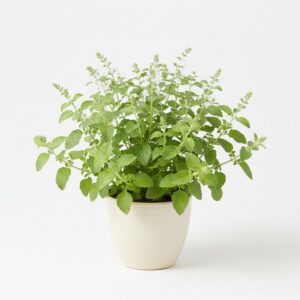
Mint Bush is a captivating addition to any plant collection, celebrated for its aromatic foliage and stunning floral displays. Its leaves, when brushed, release a refreshing minty fragrance, adding a sensory element to your indoor garden. The vibrant blooms, ranging in shades of purple, pink, and white, create a visually striking contrast against the deep green foliage.
Plant lovers appreciate Mint Bush for its relatively easy care requirements and its ability to thrive indoors with proper attention. It's a rewarding plant to nurture, offering year-round beauty and a delightful fragrance. Its compact size makes it suitable for various spaces, from windowsills to shelves. The plant's overall aesthetic appeal and aromatic properties make it a popular choice for both novice and experienced plant enthusiasts.
The Story
Mint Bush, specifically the Prostanthera genus native to Australia, boasts a rich history linked to the continent's diverse flora. These plants are found in various habitats, from coastal regions to woodlands, adapted to the unique Australian climate. Historically, Aboriginal Australians have utilized various Prostanthera species for medicinal purposes, leveraging their aromatic properties.
While not as widely known as some other Australian native plants, Mint Bush is gaining popularity globally as a desirable ornamental plant. The plant's introduction to international markets has allowed it to be appreciated for its aesthetic value and its unique fragrance. The cultivation of Mint Bush has also contributed to a greater understanding of Australian flora and its potential for horticultural applications. The plant's continued study and propagation help preserve its genetic diversity and ensure its availability for future generations.
Complete Care Guide
Mint Bush thrives in bright, indirect light; direct sunlight can scorch its leaves. Water thoroughly when the top inch of soil feels dry, ensuring good drainage to prevent root rot. Maintain moderate humidity levels, especially during drier months. Fertilize regularly during the growing season (spring and summer) with a balanced liquid fertilizer diluted to half strength, to encourage blooming.
Prune lightly after flowering to maintain shape and promote bushier growth. Repot every 1-2 years in spring, using a well-draining potting mix. Monitor for pests like aphids or spider mites and treat promptly. Provide adequate ventilation to prevent fungal diseases. Avoid overwatering, as it can lead to root rot. Regular care and attention will ensure your Mint Bush flourishes and blooms beautifully.
Light Requirements
Mint Bush requires bright, indirect light to thrive. An east-facing window is ideal, providing gentle morning sun. A west-facing window can also work, but shield the plant from intense afternoon sun. Insufficient light will result in leggy growth and reduced flowering. South-facing windows may be too intense, requiring sheer curtains to diffuse the light.
Rotate your Mint Bush regularly to ensure even light exposure on all sides. If natural light is limited, consider using grow lights to supplement. Position the grow light 12-18 inches above the plant. Observe the plant's growth and adjust the light accordingly. Healthy, compact growth indicates sufficient light.
Seasonal Care
Spring
In spring, increase watering and fertilizing as new growth emerges. Repot if necessary. Prune lightly to shape the plant and encourage bushier growth.
Summer
Maintain consistent watering and fertilizing during the summer months. Provide adequate ventilation to prevent fungal diseases. Protect from intense afternoon sun.
Fall
Reduce watering and fertilizing as growth slows down in the fall. Monitor for pests and diseases. Prepare for winter dormancy.
Winter
Reduce watering significantly during winter dormancy. Provide bright, indirect light. Avoid fertilizing. Maintain moderate humidity levels.
The Life of Your Mint Bush
Seedling / Juvenile
Provide young Mint Bush seedlings with consistently moist soil and bright, indirect light. Avoid direct sunlight, which can scorch delicate leaves. Fertilize sparingly with a diluted seedling fertilizer. Ensure good air circulation to prevent fungal diseases.
Adolescent
As your Mint Bush matures, gradually increase light exposure, but avoid harsh direct sun. Continue regular watering and fertilizing during the growing season. Prune lightly to encourage branching and a bushier shape.
Mature
During the blooming period, maintain consistent watering and fertilizing. Provide support if the plant becomes top-heavy with blooms. Deadhead spent flowers to encourage further blooming.
Established
After blooming, reduce watering slightly and continue light fertilization. Prune back any leggy growth to maintain shape. Monitor for pests and diseases. Prepare for the next blooming cycle by providing optimal light and care.
Propagation Guide
Mint Bush can be propagated through stem cuttings. Take 4-6 inch cuttings from healthy stems, removing the lower leaves. Dip the cut end in rooting hormone and plant in a well-draining potting mix. Keep the soil consistently moist and provide bright, indirect light. Roots should develop in a few weeks.
Division is another method for established plants. Carefully separate the root ball into smaller sections, ensuring each section has healthy roots and foliage. Repot each section into its own pot.
While less common, keiki (small plantlets that grow on the stems) can also be propagated. Once the keiki develops roots, carefully remove it from the parent plant and pot it in a well-draining potting mix. Maintain consistent moisture and provide bright, indirect light.
Expert Knowledge
Mint Bush benefits from regular pruning to maintain its shape and encourage bushier growth. Deadheading spent flowers promotes further blooming. Avoid overwatering, as it can lead to root rot. The plant prefers slightly acidic soil.
Consider using a slow-release fertilizer in spring to provide a steady supply of nutrients throughout the growing season. Monitor for pests and diseases regularly and treat promptly. Rotate the plant regularly to ensure even light exposure. Provide adequate ventilation to prevent fungal diseases. The plant can be propagated through stem cuttings, division, or keiki.
Troubleshooting
Yellow leaves
Yellow leaves can indicate overwatering, underwatering, or nutrient deficiencies. Check soil moisture and adjust watering accordingly. Fertilize with a balanced fertilizer.
Brown leaf edges
Brown leaf edges are often caused by low humidity or inconsistent watering. Increase humidity by misting or using a humidifier. Ensure consistent soil moisture.
Drooping leaves
Drooping can be caused by both overwatering and underwatering. Check soil moisture and adjust watering accordingly. Ensure proper drainage.
Root rot
Root rot is caused by overwatering and poor drainage. Repot in fresh, well-draining soil. Remove any affected roots. Reduce watering frequency.
Pests
Pests like aphids and spider mites can be treated with insecticidal soap or neem oil. Isolate the affected plant to prevent spread.
Frequently Asked Questions
What are the ideal light conditions?
Bright, indirect light is ideal. Avoid intense direct sunlight.
How often should I water?
Water when the top inch of soil feels dry. Ensure good drainage.
When should I repot?
Repot every 1-2 years in spring with well-draining soil.
Is it toxic to pets?
Generally considered non-toxic to pets and children.
How big will it grow?
Indoors, typically grows 1-3 feet tall and wide.
Can I propagate at home?
Yes, stem cuttings are an easy way to propagate.