Why You'll Love It
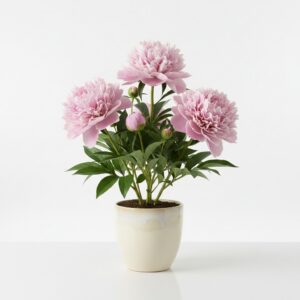
Masterwort, with its intricate and delicate blooms, is a garden jewel that captivates plant lovers. Its unique pincushion-like flowers, often adorned with bracts in shades of white, pink, red, or purple, add a touch of elegance and charm to any space. The plant's long blooming period, typically from late spring to late summer, ensures a continuous display of beauty.
Masterwort's adaptability to various light conditions makes it a versatile choice for different garden settings. Its ability to attract pollinators like bees and butterflies further enhances its appeal, turning your garden into a vibrant ecosystem. The plant's relatively low maintenance requirements make it an excellent option for both beginner and experienced gardeners. The cut flowers are long lasting in water, making them ideal for floral arrangements.
The Story
Masterwort, scientifically known as Astrantia, boasts a rich history rooted in European landscapes. Originating from central and eastern Europe, as well as parts of Asia, these plants thrive in moist meadows and woodlands. The name "Astrantia" is derived from the Greek word "astron," meaning star, referencing the star-like shape of its flower heads.
Historically, Masterwort was used in traditional medicine, believed to possess healing properties. While its medicinal use has declined, it remains a popular ornamental plant prized for its unique beauty. The plant's ability to naturalize in suitable environments has contributed to its widespread cultivation across various regions. Its resilience and captivating aesthetics have solidified its place in gardens for centuries. Modern breeding efforts have expanded the color range and bloom size, making it even more desirable.
Complete Care Guide
Masterwort thrives in partial shade to full sun, requiring at least 4-6 hours of sunlight daily for optimal bloom production. Water regularly, especially during dry spells, ensuring the soil remains consistently moist but not waterlogged. Well-draining soil is crucial to prevent root rot. Fertilize in spring with a balanced fertilizer to promote healthy growth and abundant flowering. Deadhead spent flowers to encourage continuous blooming.
Mulch around the base of the plant to retain moisture and suppress weeds. Protect from strong winds, which can damage the delicate flower stems. Divide established clumps every 3-4 years to rejuvenate the plant and prevent overcrowding. Monitor for pests such as aphids and slugs, and treat as needed. Regular pruning will maintain a tidy appearance. Provide support for taller varieties to prevent them from flopping over. Monitor humidity, especially in drier climates, and consider misting the foliage if necessary.
Light Requirements
Masterwort flourishes in partial shade, particularly in hotter climates, where intense afternoon sun can scorch the leaves. A location receiving morning sun and afternoon shade is ideal. In cooler regions, Masterwort can tolerate full sun, provided the soil remains consistently moist. Insufficient light can lead to fewer blooms and leggy growth.
Observe the plant's foliage; if the leaves appear pale or scorched, it indicates excessive sun exposure. Conversely, if the plant produces few flowers and the stems are weak, it may not be receiving enough light. Adjust the plant's location accordingly to ensure optimal light exposure for healthy growth and prolific flowering. Consider using shade cloth during peak summer months in hot climates.
Seasonal Care
Spring
In spring, remove any dead or damaged foliage. Fertilize with a balanced fertilizer to promote new growth and abundant flowering. Divide established clumps if needed.
Summer
During summer, ensure consistent watering, especially during dry spells. Deadhead spent flowers to encourage continuous blooming. Provide shade during the hottest part of the day in warmer climates.
Fall
In fall, cut back the plant to tidy its appearance. Apply a layer of mulch to protect the roots during winter. Collect seeds for propagation if desired.
Winter
In winter, reduce watering and protect the roots with a layer of mulch. Provide shelter from harsh winds and heavy snow.
The Life of Your Masterwort
Seedling / Juvenile
For young Masterwort seedlings, provide consistent moisture and protection from direct sunlight. Harden off seedlings gradually before transplanting them outdoors. Amend the soil with compost to improve drainage and fertility. Ensure the planting location receives partial shade.
Adolescent
As Masterwort develops, maintain consistent watering and fertilize regularly with a balanced fertilizer. Monitor for pests and diseases. Provide support for developing flower stems. Deadhead spent flowers to encourage further blooming.
Mature
During the active blooming period, ensure adequate moisture and continue deadheading spent flowers. Fertilize as needed to support continuous blooming. Monitor for signs of stress, such as yellowing leaves or wilting, and address any issues promptly.
Established
After blooming, cut back the plant to encourage new growth. Apply a layer of mulch to protect the roots during winter. Divide established clumps every few years to rejuvenate the plant and prevent overcrowding.
Propagation Guide
Masterwort can be propagated through division, root cuttings, or seed. Division is the easiest method. In early spring or fall, carefully dig up an established clump and divide it into smaller sections, each with healthy roots and foliage. Replant the divisions in well-draining soil, ensuring consistent moisture until they are established.
For root cuttings, take 2-3 inch sections of root in late fall or early winter. Place horizontally in a tray of moist sand. Keep in a cool location until spring, when they can be moved to individual pots. Seed propagation is possible but can be slow and require stratification. Sow seeds in a cold frame in the fall or stratify them in the refrigerator for several weeks before sowing in spring.
Expert Knowledge
Masterwort benefits from regular deadheading to promote continuous blooming throughout the growing season. The plant's tolerance to various light conditions makes it a versatile choice for different garden settings. However, it thrives best in partial shade, particularly in hotter climates. Soil pH should be slightly acidic to neutral for optimal growth. Masterwort is relatively pest and disease resistant, but it's essential to monitor for potential issues and address them promptly. The plant's ability to attract pollinators makes it a valuable addition to any garden ecosystem. Some cultivars are more heat tolerant than others.
Troubleshooting
Yellow leaves
Yellow leaves can indicate overwatering or poor drainage. Ensure the soil is well-draining and reduce watering frequency. Check for root rot.
Brown leaf edges
Brown leaf edges often result from dry air or inconsistent watering. Increase humidity around the plant and ensure consistent soil moisture.
Drooping leaves
Drooping can be caused by underwatering or excessive heat. Water thoroughly and provide shade during the hottest part of the day.
Root rot
Root rot is caused by overwatering and poor drainage. Improve soil drainage, reduce watering, and treat with a fungicide if necessary.
Pests
Aphids and slugs can infest Masterwort. Treat with insecticidal soap or introduce beneficial insects like ladybugs.
Frequently Asked Questions
What are the ideal light conditions?
Masterwort thrives in partial shade to full sun, needing 4-6 hours of light.
How often should I water?
Water Masterwort regularly, keeping the soil consistently moist.
When should I repot?
Repot Masterwort every 2-3 years in spring, using well-draining soil.
Is it toxic to pets?
Masterwort is generally considered non-toxic to pets and children.
How big will it grow?
Masterwort typically grows 1-3 feet tall and 1-2 feet wide.
Can I propagate at home?
Yes, Masterwort can be propagated through division or seed.