Why You'll Love It
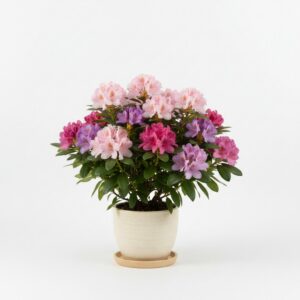
Leopard's Bane, with its cheerful, daisy-like yellow flowers, brings a burst of sunshine to any garden or indoor space. Its early spring blooms provide a welcome splash of color after the long winter months, making it a favorite among gardeners eager for the first signs of spring. The plant's low-growing habit and attractive foliage also make it a great ground cover option.
Beyond its visual appeal, Leopard's Bane is relatively easy to care for, especially when its basic needs are met. Its tolerance for partial shade makes it a versatile choice for various locations. Plus, it attracts pollinators like bees and butterflies to your garden, contributing to a healthier ecosystem. Many appreciate the plant's ability to naturalize and spread, creating a vibrant carpet of yellow blooms year after year.
The Story
Leopard's Bane, scientifically known as Doronicum, has its origins in Europe and Asia. It thrives in woodlands and meadows, preferring moist, well-drained soil and partial shade. The name "Doronicum" is believed to be derived from the Arabic word "doronij," referring to a plant used as an antidote to poison, though the exact plant is uncertain.
Historically, Leopard's Bane has been used in traditional medicine, although its toxicity necessitates caution. In folklore, the plant was sometimes associated with protection against evil spirits. Today, it is primarily cultivated for its ornamental value. Gardeners have long appreciated its early blooming habit and the cheerful color it brings to the spring landscape. Its ability to naturalize has made it a popular choice for creating informal, low-maintenance gardens.
Complete Care Guide
Leopard's Bane thrives in partial shade to full sun, needing at least 4-6 hours of sunlight for optimal blooming. Water regularly, keeping the soil consistently moist but not waterlogged, especially during the growing season. A well-draining soil mix is crucial to prevent root rot. Fertilize in early spring with a balanced, slow-release fertilizer to encourage healthy growth and abundant blooms.
Deadhead spent flowers to prolong the blooming period and prevent self-seeding, if desired. In hotter climates, provide afternoon shade to protect the foliage from scorching. Divide established clumps every few years to rejuvenate the plant and prevent overcrowding. Monitor for pests like aphids and slugs, and treat as needed. Ensure good air circulation to minimize the risk of fungal diseases.
Light Requirements
Leopard's Bane prefers partial shade, especially in warmer climates. While it can tolerate full sun, afternoon shade is beneficial to prevent leaf scorch. Aim for at least 4-6 hours of indirect sunlight daily. Insufficient light can result in fewer blooms and leggy growth. In shadier conditions, the plant may still grow but will produce fewer flowers and the foliage may be less dense.
When growing indoors, place your Leopard's Bane near an east- or west-facing window that provides bright, indirect light. A south-facing window can also work, but be sure to filter the light with a sheer curtain to prevent sunburn. Rotate the plant regularly to ensure even exposure to light on all sides.
Seasonal Care
Spring
In spring, fertilize with a balanced fertilizer to promote new growth and abundant blooms. Water regularly as the plant begins to actively grow. Divide established clumps if needed. Monitor for pests and diseases.
Summer
Provide afternoon shade in hot climates to prevent leaf scorch. Water consistently to keep the soil moist. Deadhead spent flowers to prolong the blooming period. Monitor for pests such as aphids and slugs.
Fall
Cut back the foliage after flowering to tidy up the plant. Apply a layer of mulch to protect the roots during the winter. Divide established clumps if needed. Reduce watering as the weather cools.
Winter
In colder climates, provide winter protection by covering the plant with a layer of mulch or straw. Reduce watering significantly as the plant goes dormant. Ensure good drainage to prevent root rot.
The Life of Your Leopard’s Bane
Seedling / Juvenile
Start seeds indoors 6-8 weeks before the last frost. Use a well-draining seed-starting mix. Keep the soil consistently moist and provide bright, indirect light. Transplant seedlings outdoors after the last frost when they are large enough to handle.
Adolescent
As the plant develops, ensure consistent watering and fertilize lightly with a balanced fertilizer. Monitor for pests and diseases. Provide support if the stems become weak or leggy. Pinch back young plants to encourage bushier growth.
Mature
During the blooming period, continue to water regularly and deadhead spent flowers to prolong the bloom time. Fertilize with a bloom-boosting fertilizer to support abundant flowering. Monitor for signs of stress, such as wilting or yellowing leaves.
Established
After blooming, cut back the foliage to encourage new growth. Divide established clumps every few years to rejuvenate the plant. Continue to water regularly, especially during dry periods. Prepare for the next blooming season by providing adequate sunlight and fertilizer.
Propagation Guide
Leopard's Bane can be propagated by division in early spring or fall. Carefully dig up the plant and separate the roots into smaller clumps, ensuring each clump has healthy roots and foliage. Replant the divisions in well-draining soil and water thoroughly.
Stem cuttings are less common but can be taken in spring. Take a 4-6 inch cutting from a non-flowering stem, remove the lower leaves, and dip the cut end in rooting hormone. Plant the cutting in a pot filled with moist potting mix and cover with a plastic bag to maintain humidity. Keep in a warm, bright location until roots develop. Leopard's Bane does not produce keiki.
Expert Knowledge
Leopard's Bane benefits from regular division every 3-4 years to maintain vigor and prevent overcrowding. Amend the soil with compost or well-rotted manure to improve drainage and fertility. Choose a location with well-draining soil to prevent root rot. Consider planting Leopard's Bane in a mixed border with other spring-blooming perennials for a vibrant display. Regular deadheading encourages continuous blooming and prevents self-seeding.
Troubleshooting
Yellow leaves
Yellow leaves can indicate overwatering or nutrient deficiency. Check soil moisture and drainage. Fertilize with a balanced fertilizer.
Brown leaf edges
Brown edges often result from dry air or inconsistent watering. Increase humidity and ensure consistent soil moisture.
Drooping leaves
Drooping can be caused by underwatering, overwatering, or excessive heat. Adjust watering habits and provide shade.
Root rot
Root rot is caused by overly wet soil and poor drainage. Improve drainage and allow the soil to dry out between waterings.
Pests
Aphids, slugs, and snails can be pests. Use insecticidal soap or handpick pests off the plant.
Frequently Asked Questions
What are the ideal light conditions?
Leopard's Bane thrives in partial shade to full sun.
How often should I water?
Water Leopard's Bane regularly, keeping soil moist.
When should I repot?
Repot only if container-bound, in spring, using well-draining mix.
Is it toxic to pets?
Leopard's Bane is toxic to pets and children.
How big will it grow?
Leopard's Bane grows 1-2 feet tall and wide.
Can I propagate at home?
Yes, Leopard's Bane can be propagated by division.