
Why You'll Love It
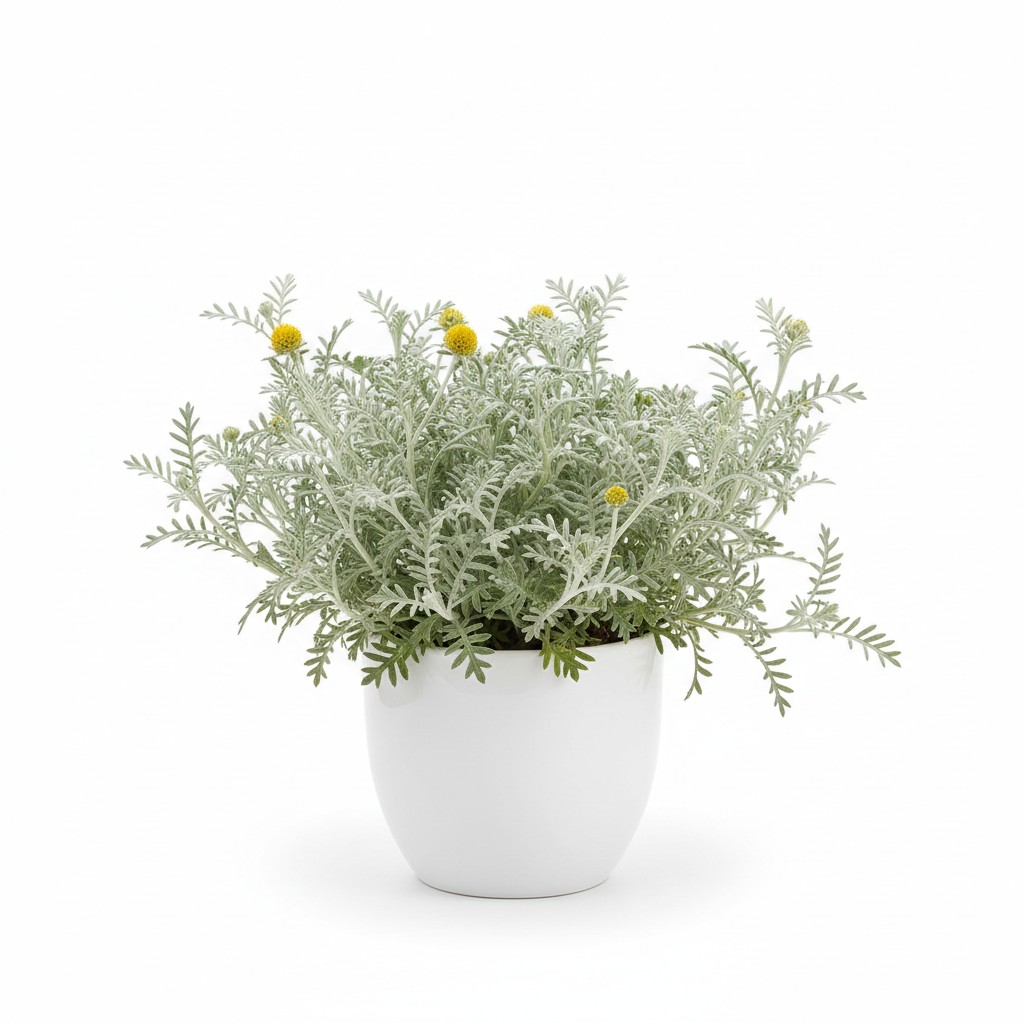
Lavender Cotton, with its silvery-gray foliage and charming button-like yellow flowers, is a garden favorite. Its unique texture and color add a beautiful contrast to any landscape or container garden. Plant lovers adore it for its low-maintenance nature, drought tolerance, and aromatic foliage. It’s a resilient plant that thrives in challenging conditions, making it perfect for beginner gardeners and seasoned professionals alike. The plant’s ability to attract pollinators further enhances its appeal. Its compact size also makes it versatile, suitable for borders, rock gardens, and even container planting. Lavender Cotton offers year-round visual interest, even when not in bloom, the silvery foliage remains an attractive feature.
The Story
Lavender Cotton, scientifically known as Santolina chamaecyparissus, originates from the Mediterranean region, particularly Spain and Italy. It naturally grows in dry, rocky areas with well-draining soil, showcasing its adaptability to harsh environments. Historically, it has been used for its aromatic and medicinal properties, including as an insect repellent and in traditional remedies. The plant’s silvery foliage has also made it a popular ornamental choice for centuries, adding a touch of elegance to gardens across Europe. Its name reflects the resemblance of its foliage to lavender, although it is not botanically related. Lavender Cotton has naturalized in various parts of the world, becoming a beloved plant in gardens worldwide due to its beauty and resilience.
Complete Care Guide
Lavender Cotton requires full sun and well-draining soil to thrive. Water sparingly, allowing the soil to dry out completely between waterings, especially during the winter months. Fertilize lightly in the spring with a balanced fertilizer to promote healthy growth and flowering. Prune regularly to maintain its shape and encourage bushier growth. Avoid overwatering, as this can lead to root rot. Protect from excessive winter moisture in colder climates. Lavender Cotton is relatively pest-free, but monitor for aphids and spider mites. Provide good air circulation to prevent fungal diseases. Deadhead spent flowers to encourage continued blooming.
Light Requirements
Lavender Cotton thrives in full sun, requiring at least 6 to 8 hours of direct sunlight per day. Insufficient light can lead to leggy growth and reduced flowering. When grown indoors, place it near a south-facing window where it can receive ample sunlight. If natural light is limited, supplement with grow lights to ensure optimal growth and flowering. Rotating the plant regularly will ensure even light exposure and prevent it from leaning towards the light source. Providing adequate light is crucial for maintaining the plant's compact shape and vibrant foliage color.
Seasonal Care
Spring
In spring, prune Lavender Cotton to remove any dead or damaged growth. Fertilize with a balanced fertilizer to promote new growth and flowering. Increase watering as temperatures rise.
Summer
During summer, ensure Lavender Cotton receives adequate sunlight and water when the soil is dry. Deadhead spent flowers to encourage continued blooming. Monitor for pests and diseases.
Fall
In fall, reduce watering as temperatures cool. Prune lightly to maintain shape. Prepare the plant for winter by protecting it from excessive moisture.
Winter
During winter, water sparingly and protect Lavender Cotton from frost. Avoid overwatering, as this can lead to root rot. Provide good air circulation.
The Life of Your Lavender Cotton
Seedling / Juvenile
For young Lavender Cotton seedlings, provide consistent moisture without overwatering. Ensure they receive at least 6 hours of direct sunlight daily. Begin fertilizing with a diluted balanced fertilizer after a few weeks.
Adolescent
As Lavender Cotton develops, gradually reduce watering frequency. Continue providing full sun and fertilize monthly. Prune lightly to encourage bushier growth and maintain shape.
Mature
During the blooming period, deadhead spent flowers to promote continued flowering. Ensure consistent sunlight and water when the soil is dry to the touch. Fertilize with a bloom-boosting fertilizer.
Established
After the blooming period, reduce watering and fertilizing. Prune back significantly to maintain shape and encourage new growth. Protect from excessive winter moisture.
Propagation Guide
Lavender Cotton can be propagated easily through stem cuttings. Take 4-6 inch cuttings from healthy stems in the spring or summer. Remove the lower leaves and dip the cut end in rooting hormone. Plant the cuttings in well-draining soil and keep them moist but not waterlogged. Place them in a bright location with indirect sunlight. Rooting typically occurs within a few weeks. Division is also possible, carefully separating the root ball of a mature plant and replanting the sections. Keiki formation is not typical for Lavender Cotton.
Expert Knowledge
Lavender Cotton's aromatic foliage contains compounds that act as natural insect repellents. Pruning is essential for maintaining the plant's shape and preventing it from becoming leggy. The plant thrives in poor, well-draining soil, making it ideal for rock gardens. Over-fertilizing can lead to excessive vegetative growth and reduced flowering. Lavender Cotton is relatively drought-tolerant once established. Regular deadheading will prolong the blooming period. The plant can be grown in containers, but ensure adequate drainage.
Troubleshooting
Yellow leaves
Yellow leaves can indicate overwatering. Allow the soil to dry out completely between waterings. Ensure good drainage and adjust watering frequency accordingly.
Brown leaf edges
Brown edges often result from underwatering or dry air. Increase watering frequency and consider increasing humidity around the plant.
Drooping leaves
Drooping can be caused by both overwatering and underwatering. Check the soil moisture to determine the cause and adjust watering accordingly.
Root rot
Root rot is caused by excessive moisture. Improve drainage, reduce watering, and consider using a fungicide if the problem is severe.
Pests
Aphids and spider mites can infest Lavender Cotton. Treat with insecticidal soap or neem oil. Ensure good air circulation to prevent infestations.
Frequently Asked Questions
What are the ideal light conditions?
Lavender Cotton needs at least 6-8 hours of direct sunlight daily for optimal growth and flowering.
How often should I water?
Water Lavender Cotton sparingly, allowing the soil to dry out completely between waterings, especially in winter.
When should I repot?
Repot Lavender Cotton every 2-3 years in the spring, using well-draining soil. Choose a pot slightly larger than the previous one.
Is it toxic to pets?
Lavender Cotton is generally considered non-toxic to pets and children, but ingestion may cause mild digestive upset.
How big will it grow?
Lavender Cotton typically grows to be 1-2 feet tall and wide indoors, depending on pot size and care.
Can I propagate at home?
Yes, Lavender Cotton can be easily propagated at home using stem cuttings. Rooting hormone improves success rates.


