Why You'll Love It
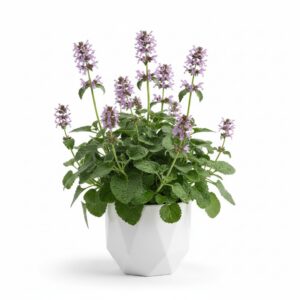
Lantana Camara is a vibrant, showstopping flowering plant that captivates with its clusters of brightly colored blooms. These flowers often display a mesmerizing mix of hues, creating a stunning visual tapestry. Plant lovers are drawn to Lantana's long blooming season, providing months of cheerful color. It's also incredibly attractive to butterflies and hummingbirds, turning your garden into a lively ecosystem. Lantana is relatively low-maintenance once established, making it a perfect choice for both beginner and experienced gardeners. Its versatility allows it to be grown in containers, hanging baskets, or as a ground cover, offering numerous landscaping options. The plant's ability to tolerate heat and drought further adds to its appeal, especially in warmer climates.
The Story
Lantana Camara originated in the tropical regions of the Americas, particularly in Central and South America. Its natural habitat includes scrublands, forests, and disturbed areas where it thrives in sunny conditions. Introduced to other parts of the world as an ornamental plant, Lantana has become naturalized in many tropical and subtropical regions. In some areas, it is considered an invasive species due to its rapid growth and ability to outcompete native vegetation. Historically, Lantana has been used in traditional medicine for various purposes, although its toxicity must be carefully considered. Culturally, it is often associated with vibrant colors and the beauty of tropical landscapes, making it a popular choice for gardens and public spaces.
Complete Care Guide
Lantana Camara thrives in full sun, requiring at least 6-8 hours of direct sunlight daily. Water thoroughly when the top inch of soil feels dry, but avoid overwatering to prevent root rot. Well-draining soil is essential. Fertilize regularly during the growing season (spring and summer) with a balanced fertilizer, or one specifically formulated for blooming plants, to encourage abundant flowering. Prune regularly to maintain shape and remove spent flowers (deadheading). In colder climates, treat Lantana as an annual or bring it indoors for the winter. Maintain moderate humidity levels. Protect from frost. Monitor for pests like aphids and whiteflies, and treat promptly with insecticidal soap. Repot only when necessary, when the plant becomes root-bound.
Light Requirements
Lantana Camara demands ample sunlight to flourish and produce its characteristic vibrant blooms. Ideally, it should receive at least 6-8 hours of direct sunlight each day. Insufficient light can lead to leggy growth, reduced flowering, and dull foliage. When grown indoors, place Lantana near a south-facing window where it can soak up the maximum amount of sunlight. If natural light is lacking, consider supplementing with grow lights to ensure adequate illumination. Rotate the plant regularly to ensure even exposure to light on all sides. Outdoor placement should prioritize sunny spots in the garden or on the patio.
Seasonal Care
Spring
In spring, prune Lantana Camara to remove any winter damage and encourage new growth. Begin fertilizing regularly to promote flowering. Gradually acclimate plants that were overwintered indoors to outdoor conditions.
Summer
During summer, ensure Lantana Camara receives ample sunlight and regular watering. Deadhead spent flowers to encourage continuous blooming. Monitor for pests and diseases.
Fall
In the fall, reduce watering and fertilization as the plant prepares for dormancy. Prune lightly to shape the plant. Prepare to bring plants indoors if you live in a cold climate.
Winter
In winter, if overwintering indoors, provide bright, indirect light and minimal watering. Keep the plant in a cool location. If treating as an annual, allow the plant to die back naturally.
The Life of Your Lantana Camara
Seedling / Juvenile
As a seedling, Lantana Camara requires consistent moisture and warm temperatures. Provide bright, indirect light to avoid scorching the delicate leaves. Start fertilizing with a diluted, balanced fertilizer once the seedling has developed a few sets of true leaves.
Adolescent
During adolescence, gradually increase the amount of direct sunlight the Lantana receives. Continue regular watering and fertilization. Begin pruning lightly to encourage bushier growth and more branching.
Mature
Mature Lantana Camara plants require consistent care to maintain their vibrant blooms. Ensure ample sunlight, regular watering, and fertilization. Deadhead spent flowers regularly to promote continuous flowering.
Established
After the blooming season, reduce watering and fertilization. Prune the plant more heavily to shape it and remove any dead or diseased growth. Prepare for dormancy if overwintering indoors.
Propagation Guide
Lantana Camara is easily propagated through stem cuttings. Take a 4-6 inch cutting from a healthy stem, removing the lower leaves. Dip the cut end in rooting hormone and plant it in a well-draining potting mix. Keep the soil consistently moist and provide bright, indirect light. Roots should develop within a few weeks. Division is possible for larger, established plants, carefully separating the root ball. Keiki propagation is not applicable to Lantana.
Expert Knowledge
Lantana Camara's vibrant flower colors are influenced by soil pH; more acidic soils tend to produce more intense hues. Regular pruning not only maintains shape but also prevents the plant from becoming overly woody and unproductive. Be mindful of Lantana's potential to become invasive in certain regions and choose cultivars that are less prone to spreading. The plant's allelopathic properties can inhibit the growth of nearby plants, so consider companion planting carefully.
Troubleshooting
Yellow leaves
Yellow leaves can indicate overwatering, underwatering, or nutrient deficiencies. Check soil moisture and adjust watering accordingly. Fertilize with a balanced fertilizer.
Brown leaf edges
Brown leaf edges often signal dry air or inconsistent watering. Increase humidity around the plant and ensure consistent soil moisture.
Drooping leaves
Drooping can be caused by underwatering, overwatering, or extreme temperatures. Check the soil moisture and adjust accordingly. Move the plant to a more suitable location.
Root rot
Root rot results from overly wet soil conditions. Improve drainage by repotting into well-draining soil. Remove any affected roots and reduce watering frequency.
Pests
Pests like aphids and whiteflies can infest Lantana. Treat infestations with insecticidal soap or neem oil. Regularly inspect the plant for signs of pests.
Frequently Asked Questions
What are the ideal light conditions?
Lantana Camara needs at least 6-8 hours of direct sunlight daily for optimal blooming.
How often should I water?
Water Lantana Camara when the top inch of soil feels dry to the touch. Avoid overwatering.
When should I repot?
Repot Lantana Camara only when root-bound, typically every 1-2 years in the spring.
Is it toxic to pets?
Yes, Lantana Camara is toxic to pets and children. Ingestion can cause gastrointestinal upset.
How big will it grow?
Indoors, Lantana Camara typically grows to 1-3 feet tall and wide, depending on the cultivar.
Can I propagate at home?
Yes, Lantana Camara is easily propagated at home using stem cuttings or division.