Why You'll Love It
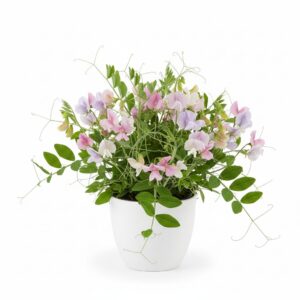
Joe Pye Weed is a captivating addition to any garden, celebrated for its towering presence and stunning late-summer blooms. The large, fluffy flower heads, typically in shades of mauve, pink, or purple, create a dramatic display that attracts butterflies and other pollinators. Its robust, upright habit adds vertical interest to borders and naturalized areas. Gardeners appreciate its low-maintenance nature and ability to thrive in moist conditions. The plant's fragrant foliage adds another layer of appeal. Joe Pye Weed provides a vital late-season nectar source for beneficial insects, contributing to a healthy ecosystem. Its resilience and easy propagation make it a rewarding plant for both novice and experienced gardeners. The long-lasting blooms are also excellent for cut flower arrangements, bringing the beauty of the late-summer garden indoors.
The Story
Joe Pye Weed, native to North America, thrives in moist meadows, along stream banks, and in other damp habitats. Its common name is believed to originate from a Native American healer named Joe Pye, who used the plant for medicinal purposes, particularly to treat fevers. The plant has a long history of traditional use for its purported diuretic and diaphoretic properties. Various species of Joe Pye Weed have been used in herbal remedies to address a range of ailments. In the Victorian era, its striking appearance made it a popular choice for gardens and naturalistic plantings. Today, Joe Pye Weed remains a valued plant in ecological gardening, providing essential resources for pollinators and adding a touch of wild beauty to cultivated landscapes. Its adaptability and ecological benefits have secured its place as a cherished native plant.
Complete Care Guide
Joe Pye Weed thrives in full sun to partial shade, requiring at least six hours of sunlight for optimal blooming. Water regularly, especially during dry periods, keeping the soil consistently moist but not waterlogged. Fertilize in spring with a balanced, slow-release fertilizer to promote healthy growth and abundant blooms. Deadhead spent flowers to encourage continued blooming and prevent self-seeding if desired. Prune back stems in late fall or early spring to a few inches above the ground to promote bushier growth. Provide support for taller varieties to prevent them from flopping over. Monitor for pests and diseases, and treat promptly if necessary. Mulch around the base of the plant to retain moisture and suppress weeds. Amend heavy clay soils with organic matter to improve drainage. Divide established clumps every few years to rejuvenate the plant and prevent overcrowding. Ensure good air circulation to minimize the risk of fungal diseases.
Light Requirements
Joe Pye Weed thrives best in full sun, requiring at least six hours of direct sunlight per day to promote robust growth and abundant flowering. While it can tolerate partial shade, reduced sunlight may result in fewer blooms and leggier growth. In hotter climates, some afternoon shade can be beneficial to prevent scorching. When planting, choose a location that receives ample sunlight throughout the day. If growing indoors, provide supplemental lighting with grow lights to ensure adequate light exposure. Rotate the plant regularly to ensure even light distribution. Monitor the plant for signs of insufficient light, such as elongated stems and pale leaves. Adjust the plant's position or lighting as needed to meet its light requirements.
Seasonal Care
Spring
In spring, remove any dead or damaged stems from the previous year. Fertilize with a balanced, slow-release fertilizer to promote new growth and abundant blooms. Divide established clumps if needed.
Summer
Water regularly, especially during dry periods. Deadhead spent flowers to encourage continued blooming. Provide support for taller varieties to prevent them from flopping over.
Fall
Allow seed heads to remain on the plant to provide winter interest and food for birds. Cut back stems in late fall after the foliage has died back.
Winter
In colder climates, mulch around the base of the plant to protect the roots from freezing temperatures. Avoid excessive watering during winter dormancy.
The Life of Your Joe Pye Weed
Seedling / Juvenile
Provide seedlings with consistent moisture and bright, indirect light. Ensure proper drainage to prevent damping-off. Harden off seedlings gradually before transplanting them outdoors after the last frost.
Adolescent
Water regularly and fertilize with a balanced fertilizer to support rapid growth. Provide support if needed as the plant develops its upright habit. Monitor for pests and diseases.
Mature
Maintain consistent moisture and deadhead spent flowers to encourage continued blooming. Support taller varieties to prevent them from flopping over.
Established
Prune back stems in late fall or early spring to promote bushier growth. Divide established clumps every few years to rejuvenate the plant.
Propagation Guide
Joe Pye Weed can be propagated by division, stem cuttings, or seed. For division, carefully dig up an established clump in early spring or late fall and separate it into smaller sections, ensuring each section has healthy roots and shoots. Replant the divisions in well-drained soil. For stem cuttings, take 4-6 inch cuttings from new growth in spring or early summer. Remove the lower leaves and dip the cut end in rooting hormone. Plant the cuttings in a moist potting mix and keep them humid until roots develop. Seeds can be sown directly in the garden in fall or started indoors in spring. Keep the soil moist until germination occurs.
Expert Knowledge
To maximize blooming, provide Joe Pye Weed with consistent moisture and full sun. Deadheading spent flowers encourages further blooms. Consider planting Joe Pye Weed in a naturalized area or pollinator garden to support local ecosystems. The plant's height makes it an excellent choice for the back of borders or as a focal point in the garden. Choose varieties that are appropriate for your climate and growing conditions. Regular division helps to maintain the plant's vigor and prevent overcrowding. Joe Pye Weed is relatively deer-resistant, making it a good choice for gardens in areas with high deer populations.
Troubleshooting
Yellow leaves
Yellow leaves can indicate overwatering, nutrient deficiency, or pest infestation. Adjust watering, fertilize, and inspect for pests.
Brown leaf edges
Brown edges on leaves may be caused by underwatering, dry air, or fertilizer burn. Adjust watering, increase humidity, and avoid over-fertilizing.
Drooping leaves
Drooping can indicate underwatering, root rot, or heat stress. Adjust watering, improve drainage, and provide shade during hot periods.
Root rot
Root rot is caused by overwatering and poor drainage. Improve drainage, reduce watering, and treat with a fungicide if necessary.
Pests
Aphids, spider mites, and other pests can infest Joe Pye Weed. Treat with insecticidal soap or neem oil.
Frequently Asked Questions
What are the ideal light conditions?
Joe Pye Weed thrives in full sun to partial shade, needing at least six hours of sunlight daily for best blooming.
How often should I water?
Water Joe Pye Weed regularly, keeping the soil consistently moist but not waterlogged, especially during dry periods.
When should I repot?
Repotting is usually not necessary, as Joe Pye Weed is typically grown in the ground. Division is preferred to rejuvenate plants.
Is it toxic to pets?
Joe Pye Weed is generally considered non-toxic to pets and children, but it is always best to supervise children.
How big will it grow?
Joe Pye Weed can grow to be 4-7 feet tall and 2-4 feet wide, depending on the species and growing conditions.
Can I propagate at home?
Yes, Joe Pye Weed can be propagated by division, stem cuttings, or seed, making it easy to expand your collection.