
Why You'll Love It
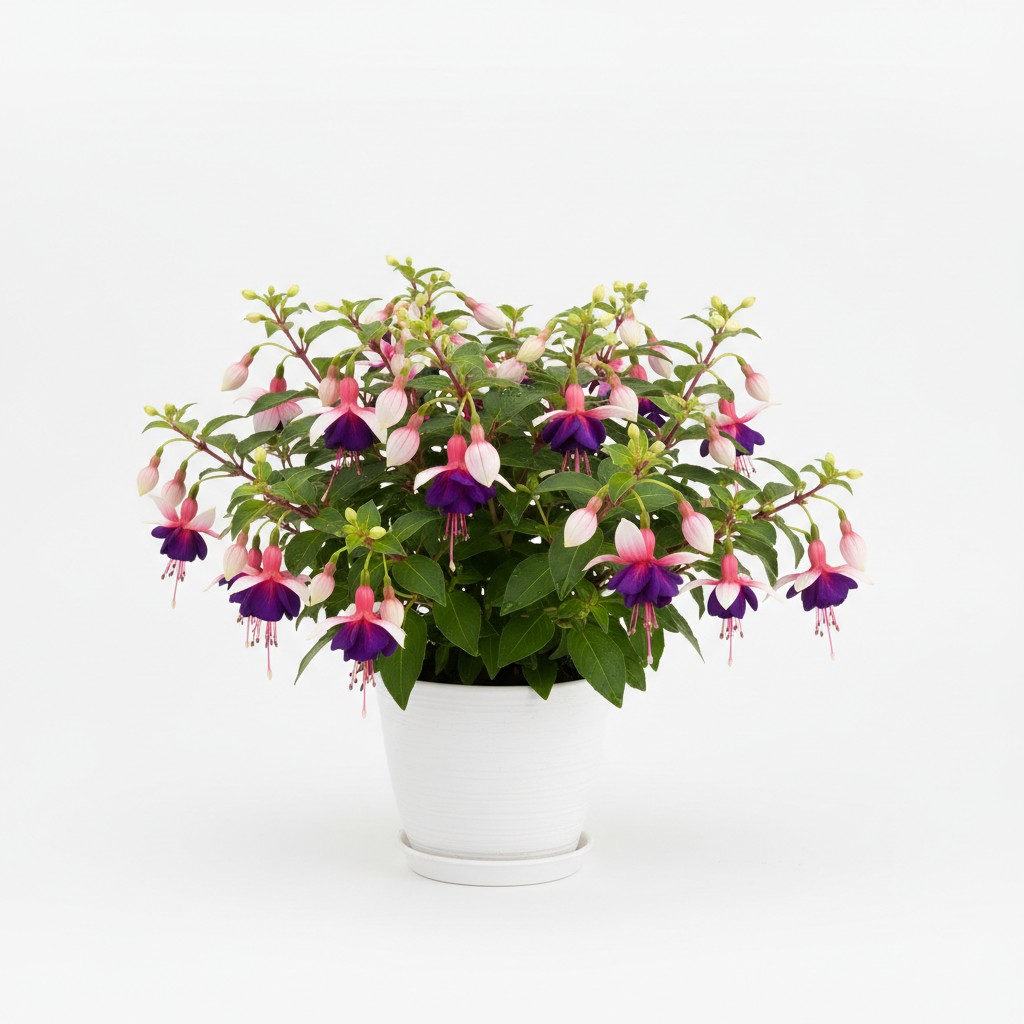
Hardy Fuchsias are beloved for their stunning, pendulous flowers that resemble delicate dancing earrings. Their vibrant colors, often a combination of pink, purple, red, and white, create a captivating display in gardens and containers. These plants offer a long blooming season, providing months of continuous color. Hardy Fuchsias are also relatively easy to care for, making them a great choice for both beginner and experienced gardeners. They attract hummingbirds and bees, adding to the biodiversity of your garden. The graceful, arching branches and the unique shape of the flowers make them a truly eye-catching addition to any landscape. Their ability to thrive in partial shade makes them versatile for various garden settings. The plant's resilience and ability to overwinter in many climates (with proper care) further enhance its appeal.
The Story
Hardy Fuchsias primarily originate from South America, particularly Chile and Argentina. They thrive in cool, moist, and shaded environments within forests and along stream banks. The genus Fuchsia was named after German botanist Leonhart Fuchs in the 17th century. These plants were introduced to Europe and North America in the 18th and 19th centuries, quickly gaining popularity for their unique beauty and relatively easy cultivation. Hardy Fuchsias have become popular ornamental plants worldwide, with numerous cultivars developed to enhance their flower colors, sizes, and growth habits. In some cultures, the Fuchsia flower symbolizes enduring love and good taste. Their presence in gardens and landscapes evokes a sense of elegance and natural beauty. They are often featured in botanical illustrations and horticultural displays, highlighting their significance in the world of ornamental plants.
Complete Care Guide
Hardy Fuchsias thrive in partial shade with well-draining, slightly acidic soil. Water regularly, keeping the soil consistently moist but not waterlogged, especially during hot weather. Fertilize every 2-4 weeks during the growing season (spring to fall) with a balanced fertilizer formulated for flowering plants, using half the recommended strength. Prune lightly in early spring to remove dead or damaged wood and to encourage bushier growth. Deadhead spent flowers regularly to promote continuous blooming. Provide protection from harsh winter winds and frost in colder climates. Repot every 1-2 years in spring, using a slightly larger container and fresh potting mix. Monitor for pests such as aphids and whiteflies, and treat as needed with insecticidal soap. Ensure good air circulation to prevent fungal diseases.
Light Requirements
Hardy Fuchsias prefer partial shade, ideally receiving morning sun and afternoon shade. Direct sunlight can scorch their leaves and fade their flowers, especially during the hottest part of the day. A location with dappled sunlight is ideal. If grown indoors, place them near an east- or west-facing window where they receive bright, indirect light. Insufficient light can lead to leggy growth and reduced flowering. Observe your plant for signs of stress, such as pale leaves or lack of blooms, and adjust its location accordingly. Providing the right light conditions is crucial for healthy growth and abundant flowering.
Seasonal Care
Spring
In spring, prune back Hardy Fuchsias to remove dead or damaged wood and to encourage new growth. Repot if necessary. Increase watering and fertilization as the plant begins to actively grow.
Summer
Provide consistent moisture and regular fertilization during the summer months. Deadhead spent flowers regularly to promote continuous blooming. Protect from intense sunlight.
Fall
Reduce watering and fertilization in the fall. Prepare the plant for winter by pruning back lightly and providing protection from frost.
Winter
In colder climates, protect Hardy Fuchsias from frost by moving them indoors or providing insulation. Water sparingly during the winter months.
The Life of Your Hardy Fuchsia
Seedling / Juvenile
Provide bright, indirect light and consistent moisture to young Hardy Fuchsia seedlings. Avoid overwatering, which can lead to root rot. Fertilize lightly with a diluted liquid fertilizer specifically formulated for seedlings.
Adolescent
As Hardy Fuchsias mature, gradually increase light exposure while still avoiding direct sunlight. Continue to water regularly and fertilize every 2-4 weeks. Prune lightly to shape the plant and encourage branching.
Mature
During the active blooming period, provide consistent moisture and regular fertilization. Deadhead spent flowers to promote continuous blooming. Monitor for pests and diseases and treat as needed.
Established
After the blooming season, reduce watering and fertilization. Prune back the plant to maintain its shape and remove any dead or damaged growth. Provide protection from frost in colder climates.
Propagation Guide
Hardy Fuchsias can be propagated by stem cuttings. Take 4-6 inch stem cuttings from new growth in spring or summer. Remove the lower leaves and dip the cut end in rooting hormone. Plant the cuttings in a well-draining potting mix and keep them moist in a warm, humid environment. Rooting typically occurs in 2-4 weeks. Division can be done in early spring by carefully separating the root ball of a mature plant into smaller sections, ensuring each section has healthy roots and stems. Plant the divisions in separate pots. Keiki propagation is not applicable to Hardy Fuchsias.
Expert Knowledge
To encourage bushier growth, pinch back the tips of new shoots regularly. Hardy Fuchsias benefit from regular feeding with a fertilizer high in potassium to promote abundant flowering. Consider using slow-release fertilizer to provide a steady supply of nutrients. Monitor soil pH and adjust as needed to maintain a slightly acidic level. Overwintering can be improved by applying a layer of mulch around the base of the plant. Some cultivars are more cold-hardy than others, so choose varieties that are suitable for your climate.
Troubleshooting
Yellow leaves
Yellow leaves can indicate overwatering, underwatering, nutrient deficiency, or pest infestation. Check soil moisture and adjust watering accordingly. Fertilize with a balanced fertilizer. Inspect for pests and treat as needed.
Brown leaf edges
Brown leaf edges typically indicate dry air, inconsistent watering, or fertilizer burn. Increase humidity, ensure consistent watering, and reduce fertilizer concentration.
Drooping leaves
Drooping can be caused by underwatering, overwatering, or extreme temperatures. Check soil moisture and adjust watering accordingly. Ensure the plant is not exposed to excessive heat or cold.
Root rot
Root rot is caused by overwatering and poorly draining soil. Improve drainage by repotting in fresh, well-draining potting mix. Remove any affected roots. Reduce watering frequency.
Pests
Pests such as aphids and whiteflies can infest Hardy Fuchsias. Treat with insecticidal soap or neem oil. Ensure good air circulation to prevent infestations.
Frequently Asked Questions
What are the ideal light conditions?
Hardy Fuchsias prefer partial shade, ideally with morning sun and afternoon shade.
How often should I water?
Water Hardy Fuchsias regularly, keeping the soil consistently moist but not waterlogged.
When should I repot?
Repot Hardy Fuchsias every 1-2 years in spring, using a slightly larger container.
Is it toxic to pets?
Hardy Fuchsias are generally considered non-toxic to pets and children.
How big will it grow?
Hardy Fuchsias can grow to be 1-4 feet tall and wide, depending on the variety.
Can I propagate at home?
Yes, Hardy Fuchsias can be easily propagated by stem cuttings.


