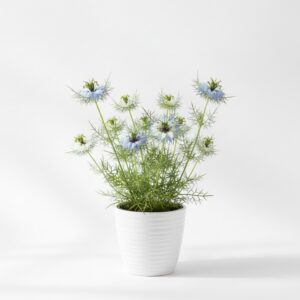
Why You'll Love It
Grape Hyacinths are beloved for their charming, bell-shaped flowers that resemble tiny bunches of grapes, adding a touch of whimsy to any garden or indoor space. Their vibrant blue, purple, or white hues create a stunning visual display, especially when planted in large groups. These delightful blooms are early spring bloomers, providing a welcome burst of color after the long winter months. Grape Hyacinths are also incredibly easy to grow and require minimal maintenance, making them perfect for both beginner and experienced gardeners. Their sweet fragrance attracts pollinators, adding to their appeal. They naturalize readily, multiplying over time to create a beautiful carpet of flowers.
The Story
Grape Hyacinths, scientifically known as Muscari, are native to Eurasia, specifically the Mediterranean region, Central and Southwest Asia. They thrive in sunny, well-drained locations, often found in meadows, woodlands, and rocky slopes. These plants have a long history of cultivation, dating back to ancient times. Their name, Muscari, is derived from the Latin word "muscus," meaning musk, referring to their fragrance. While not always considered a major cultural icon, they are widely appreciated for their ornamental value and cheerful presence in spring gardens. Grape Hyacinths have become naturalized in many parts of the world, including North America, where they are admired for their ability to add early-season color.
Complete Care Guide
Grape Hyacinths are relatively low-maintenance plants. Plant bulbs in the fall, about 4 inches deep and 3 inches apart, in well-draining soil. Choose a location with full sun to partial shade. Water thoroughly after planting. During the growing season, water when the top inch of soil feels dry. Avoid overwatering, as this can lead to bulb rot. Fertilize in early spring with a balanced fertilizer to promote healthy growth and abundant blooms. After flowering, allow the foliage to die back naturally, as this provides nutrients for the bulb. Deadhead spent flowers to prevent seed production, which can deplete the bulb's energy. Grape Hyacinths are generally hardy and can tolerate cold temperatures.
Light Requirements
Grape Hyacinths thrive in full sun to partial shade. Ideally, they should receive at least 6 hours of direct sunlight per day, especially during the spring when they are actively growing and blooming. In hotter climates, some afternoon shade can be beneficial to prevent the foliage from scorching. Indoors, place Grape Hyacinths near a sunny window where they can receive ample light. Insufficient light can result in weak, leggy growth and reduced flowering. Rotate the plant regularly to ensure even light exposure on all sides.
Seasonal Care
Spring
In spring, Grape Hyacinths actively grow and bloom. Ensure adequate watering and fertilize with a balanced fertilizer. Monitor for pests and diseases.
Summer
In summer, Grape Hyacinths enter dormancy. Allow the foliage to die back naturally. Reduce watering and avoid fertilizing.
Fall
In fall, plant new bulbs or divide existing clumps. Water thoroughly after planting. Mulch to protect bulbs from freezing temperatures.
Winter
In winter, Grape Hyacinths remain dormant. Protect bulbs from extreme cold with a layer of mulch. Avoid overwatering.
The Life of Your Grape Hyacinth
Seedling / Juvenile
When growing from seed, start indoors 8-10 weeks before the last frost. Ensure seedlings receive adequate light and moisture. Harden off seedlings before transplanting outdoors in spring.
Adolescent
As the plant develops, provide consistent moisture and fertilize lightly with a balanced fertilizer to encourage strong bulb development and prepare for blooming. Monitor for pests.
Mature
During the blooming period, maintain consistent moisture and protect flowers from strong winds or heavy rain. Deadhead spent blooms to prolong the flowering period.
Established
After flowering, allow the foliage to die back naturally to replenish the bulb's energy reserves. Reduce watering and fertilizing during dormancy. Divide bulbs every few years to prevent overcrowding.
Propagation Guide
Grape Hyacinths can be propagated by bulb division, seed, or offsets.
1. Division: Dig up the bulbs after the foliage has died back in late summer or early fall.
2. Gently separate the smaller bulbs (offsets) from the mother bulb.
3. Replant the offsets immediately in well-draining soil, about 4 inches deep and 3 inches apart.
4. Water thoroughly after planting.
5. Seed: Sow seeds in fall.
6. Offsets: Offsets form naturally around the base of the bulb. Separate these when dormant.
Stem cuttings and keiki propagation are not applicable to Grape Hyacinths.
Expert Knowledge
To encourage denser blooms, plant Grape Hyacinth bulbs in groups of at least 10-15. They naturalize well and will spread over time, creating a beautiful carpet of color. While they tolerate a range of soil types, well-draining soil is crucial to prevent bulb rot. Deadheading spent flowers can prevent seed production and conserve energy for the bulb. Consider planting them with other spring-blooming bulbs, such as daffodils and tulips, for a stunning display.
Troubleshooting
Yellow leaves
Yellow leaves can indicate overwatering or poor drainage. Allow the soil to dry out between waterings and ensure proper drainage.
Brown leaf edges
Brown edges on leaves can be caused by dry air or inconsistent watering. Increase humidity and maintain consistent soil moisture.
Drooping leaves
Drooping can be a sign of underwatering or root rot. Check soil moisture and ensure proper drainage to prevent root rot.
Root rot
Root rot is caused by overwatering and poor drainage. Improve drainage, reduce watering, and apply a fungicide if necessary.
Pests
Aphids and spider mites can infest Grape Hyacinths. Treat with insecticidal soap or neem oil to control infestations.
Frequently Asked Questions
What are the ideal light conditions?
Grape Hyacinths need full sun to partial shade, ideally 6 hours of sunlight daily.
How often should I water?
Water when the top inch of soil feels dry, avoiding overwatering.
When should I repot?
Repot only when overcrowded, in fall, using well-draining soil.
Is it toxic to pets?
Grape Hyacinths are toxic to pets and children if ingested.
How big will it grow?
Grape Hyacinths typically grow 6-12 inches tall indoors.
Can I propagate at home?
Yes, you can propagate Grape Hyacinths by bulb division.