Why You'll Love It
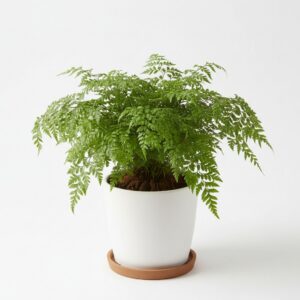
False Aralia, also known as Dizygotheca elegantissima, is a captivating houseplant cherished for its unique, elegant appearance. Its slender, deeply lobed leaves, often a dark green or bronze color, create a dramatic and sophisticated look, adding a touch of refinement to any indoor space. The plant's upright growth habit makes it a striking focal point, while its relatively low-maintenance nature, compared to other fussy houseplants, appeals to both novice and experienced plant enthusiasts.
Its air-purifying qualities further enhance its appeal, helping to create a healthier and more pleasant living environment. The False Aralia's ability to thrive indoors, despite its tropical origins, makes it a versatile choice for various home decor styles. Its striking foliage and manageable size make it a truly special addition to any plant collection.
The Story
False Aralia, Dizygotheca elegantissima, is native to the islands of New Caledonia in the South Pacific. In its natural habitat, it grows as an understory plant in rainforests, where it receives filtered sunlight and high humidity. The plant was first introduced to Western horticulture in the late 19th century, quickly gaining popularity for its unique and elegant foliage.
The name "False Aralia" is due to its resemblance to plants in the Aralia genus, though it is not actually related. Its botanical name, Dizygotheca elegantissima, reflects its elegant appearance. While not deeply rooted in cultural folklore, its aesthetic appeal has made it a popular choice for interior decoration, often symbolizing sophistication and refinement. Its introduction to cultivation has allowed plant enthusiasts worldwide to appreciate its beauty and grace.
Complete Care Guide
False Aralia thrive in bright, indirect light; direct sunlight can scorch their leaves. Water when the top inch of soil feels dry, ensuring good drainage to prevent root rot. A well-draining potting mix is crucial. Maintain humidity levels of 50-60% through misting or a humidifier. Fertilize monthly during the growing season (spring and summer) with a balanced liquid fertilizer diluted to half strength.
Repot young plants annually in spring, increasing the pot size gradually. Mature plants can be repotted every 2-3 years or when they become root-bound. Prune to maintain shape and encourage bushier growth. Avoid sudden changes in temperature or humidity, as these can stress the plant. Monitor for pests like spider mites and mealybugs, and treat promptly. Consistent care and stable conditions are key to a healthy False Aralia.
Light Requirements
False Aralia requires bright, indirect light to thrive. East- or west-facing windows are ideal, providing ample light without the harshness of direct sun. Direct sunlight, especially during the hottest part of the day, can scorch the delicate leaves, leading to brown spots and leaf drop. Insufficient light, on the other hand, can result in leggy growth and faded foliage.
If you don't have access to sufficient natural light, consider supplementing with a grow light. Place the plant a few feet away from the light source, ensuring even distribution of light to all sides of the plant. Rotate the plant regularly to prevent it from leaning towards the light source and to promote even growth.
Seasonal Care
Spring
In spring, increase watering and begin fertilizing monthly. Repot if necessary. Prune to encourage bushier growth. Provide bright, indirect light.
Summer
Maintain consistent moisture and humidity. Continue fertilizing monthly. Protect from direct sunlight. Monitor for pests.
Fall
Reduce watering and stop fertilizing. Maintain bright, indirect light. Monitor for pests.
Winter
Water sparingly and avoid fertilizing. Maintain bright, indirect light. Protect from drafts and cold temperatures.
The Life of Your False Aralia
Seedling / Juvenile
Young False Aralia seedlings require high humidity and consistent moisture. Keep the soil consistently moist, but not soggy. Provide bright, indirect light and protect from drafts. A small pot is sufficient initially.
Adolescent
As the plant grows, repot into a slightly larger container. Continue to provide bright, indirect light and maintain consistent moisture. Fertilize monthly during the growing season. Prune lightly to encourage branching.
Mature
Mature False Aralia will require less frequent repotting. Continue to provide bright, indirect light and maintain consistent moisture. Fertilize monthly during the growing season. Prune as needed to maintain shape.
Established
Established False Aralia benefit from consistent care and stable conditions. Monitor for pests and diseases, and treat promptly. Repot every 2-3 years, or when root-bound. Prune to maintain shape and encourage bushier growth.
Propagation Guide
False Aralia can be propagated through stem cuttings or air layering. For stem cuttings, take a 4-6 inch cutting from a healthy stem, removing the lower leaves. Dip the cut end in rooting hormone and plant in a well-draining potting mix. Keep the soil moist and provide high humidity. Roots should develop in 4-6 weeks.
For air layering, make a small incision on a healthy stem and wrap it with moist sphagnum moss. Cover the moss with plastic wrap and secure it with tape. Keep the moss moist. Roots should develop in a few weeks. Once roots are visible, cut the stem below the roots and plant in a pot.
Expert Knowledge
False Aralia is sensitive to changes in its environment. Avoid sudden shifts in temperature, humidity, or light. Provide consistent care and stable conditions. Pruning is essential for maintaining shape and encouraging bushier growth. Choose a pot that is appropriately sized for the plant's root system, and repot as needed.
Regularly inspect the plant for pests and diseases, and treat promptly. Use a well-draining potting mix to prevent root rot. By following these tips, you can ensure that your False Aralia thrives and remains a beautiful addition to your home.
Troubleshooting
Yellow leaves
Yellow leaves can indicate overwatering, underwatering, or nutrient deficiency. Adjust watering accordingly and fertilize during the growing season. Check for pests.
Brown leaf edges
Brown edges are often caused by low humidity or inconsistent watering. Increase humidity through misting or a humidifier. Ensure consistent watering.
Drooping leaves
Drooping can indicate underwatering or root rot. Check the soil moisture and adjust watering accordingly. Ensure good drainage to prevent root rot.
Root rot
Root rot is caused by overwatering and poor drainage. Repot the plant in fresh, well-draining soil. Remove any affected roots.
Pests
Common pests include spider mites and mealybugs. Treat with insecticidal soap or neem oil. Isolate the plant to prevent spread.
Frequently Asked Questions
What are the ideal light conditions?
False Aralia prefers bright, indirect light. Avoid direct sunlight, which can scorch the leaves.
How often should I water?
Water when the top inch of soil feels dry. Ensure good drainage to prevent root rot.
When should I repot?
Repot young plants annually in spring. Mature plants can be repotted every 2-3 years.
Is it toxic to pets?
False Aralia is considered mildly toxic to pets and children. Keep out of reach.
How big will it grow?
Indoors, False Aralia can grow to be 3-6 feet tall, depending on the pot size and environment.
Can I propagate at home?
Yes, False Aralia can be propagated at home using stem cuttings or air layering.